Oil-field wastewater could cool data centers, in a computer model
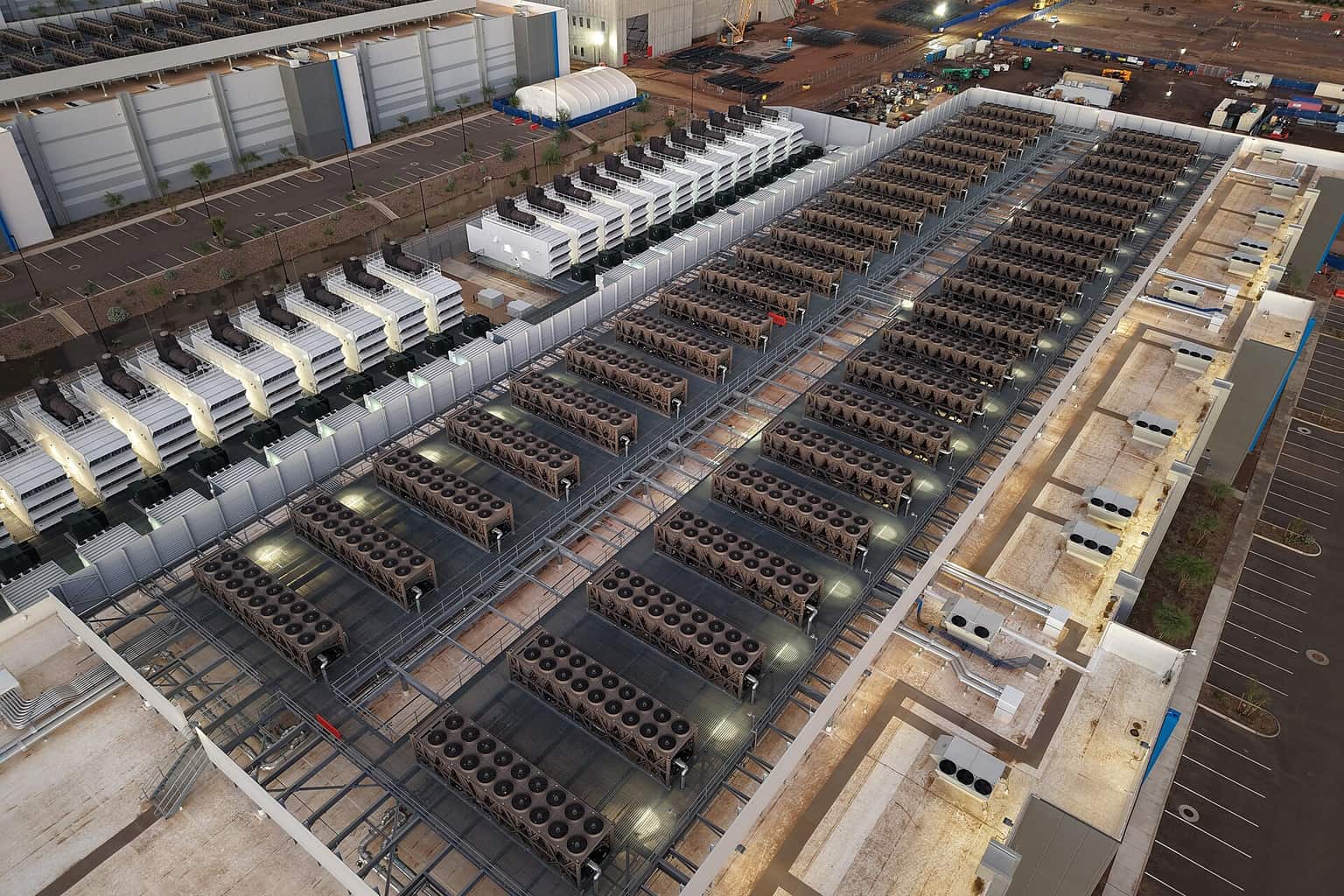
Eight billion gallons. That is how much waste water the Permian Basin in West Texas produces each day during oil and gas extraction. Right now, according to mechanical engineering professor Vaibhav Bahadur, that water is transported over long distances and injected underground. Meanwhile, data centers, which draw public anger as midterm elections approach in the United States, can consume millions of gallons of water a day to cool their equipment.
Data centers underpin the modern digital economy, and they are highly energy-intensive. The team puts their power needs in concrete terms: the electrical draw of 1000 US households, going into a computing unit the size of a bookshelf. The heat that unit generates requires immense amounts of water for cooling. The problem is not whether cooling is needed but where the water comes from.
Oilfield water is far too salty for that use. Freshwater needs to have less than 500 parts per million of dissolved solids, the salts and minerals dissolved in it. The team modeled two leading desalination technologies. Reverse osmosis pushes water through membranes that block salt and impurities. The other is a heat-driven process: water is evaporated, leaving impurities behind, and the clean vapor is then condensed and collected. The researchers modeled the cost and energy trade-offs of treating sources ranging from mildly brackish groundwater to the much saltier water produced during drilling.
Across three data center deployment case studies, the model captured how cooling technique, local saline conditions, geographic water stress and brine disposal interact. A project in Longview, Texas, which uses brackish groundwater treated by reverse osmosis, posted the lowest local water-stress score of the three. The finding, the authors write, is much more general: even the most energy-intensive desalination option consumed a fraction of a data center's total energy demand.
For a data center operator in a region where freshwater is under pressure, the study points to a route that relies on water otherwise injected underground rather than on the freshwater supply. The cost is the catch, and Bahadur named it himself: "We can solve parts of this problem with the technology we already have; there's just a cost to it." The paper gives no deployment date, and no project to build on it is announced.
Comments
Loading the thread…
Sign in to leave a comment. Sign in