Old wind turbine blades turned into graphene
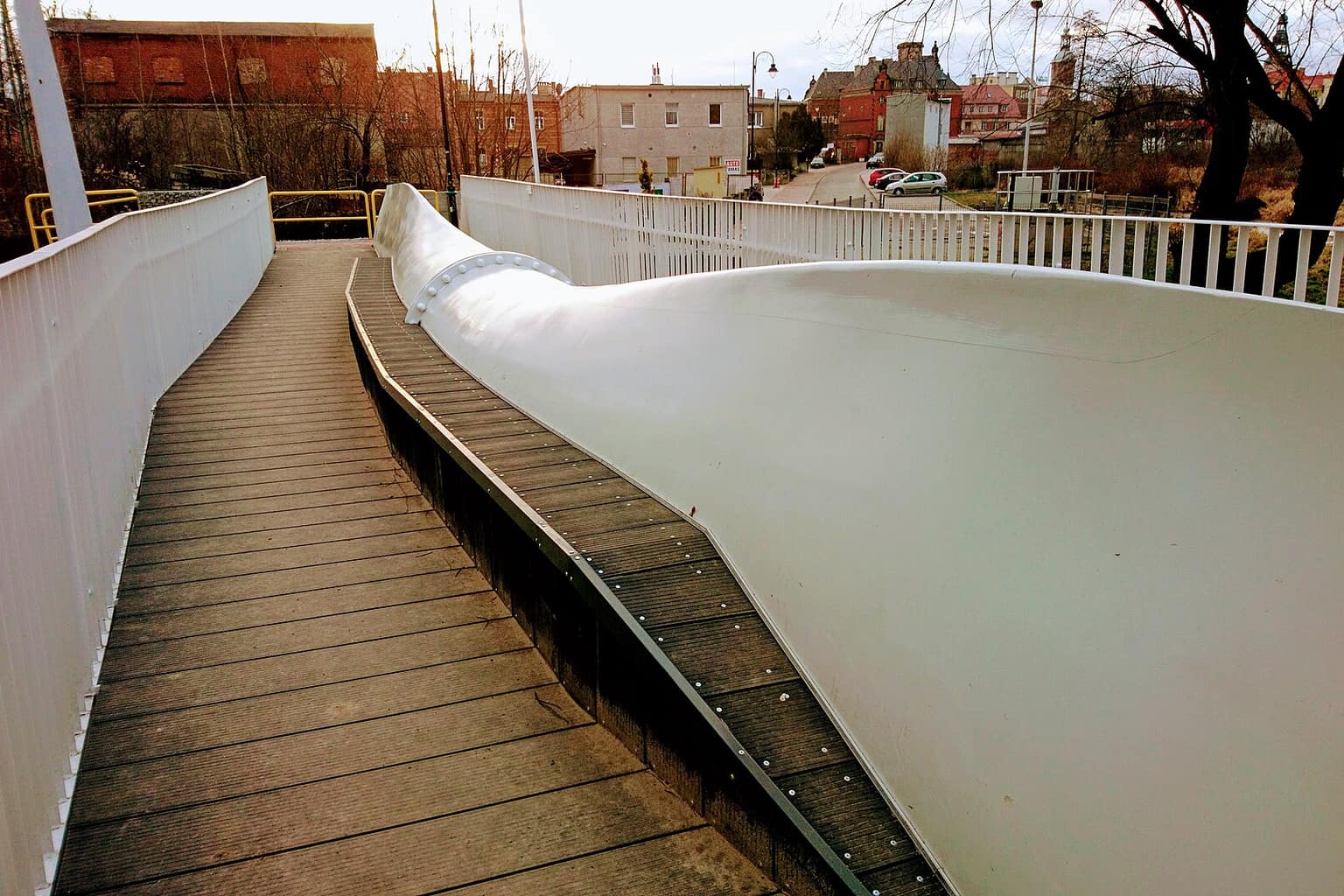
A wind turbine blade is built to survive ultraviolet light, extreme temperatures, gusts and lightning strikes. That toughness becomes a problem at the end of its life, because the same blade is hard to break down. As aging turbines are decommissioned, especially in China, where wind power has expanded rapidly, much of that waste has ended up in landfills. Researchers at Tsinghua University have found a way to turn it into two valuable materials.
The method starts from what the blades are already made of: fiberglass containing silica, and a carbon-rich polymer resin. Using a technique called flash Joule heating, the team applies a brief burst of intense heat, bringing the waste to 2000°C (3632°F) in seconds. At that temperature, carbon reacts with silica to form silicon carbide, a hard, heat-resistant material. Carbon can also reorganize into graphene, a material known for its strength and its ability to conduct heat and electricity.
The recovered materials also improve other materials. In resin samples tested by the team, adding just 0.3% by weight made the resin stiffer and stronger, and improved its resistance to deformation by 27% under tension and 9% when bent. At 0.1% by weight, the materials increased thermal diffusivity by 41%, allowing heat to spread through the resin more quickly. The researchers say the mixture can be incorporated back into resins for new wind turbine blades.
The economics is the other half of the story. Pyrolysis, which uses heat to break polymers into oil and gas, costs about $460 per ton, and chemical dissolution, which uses solvents to separate resin from glass fibers, costs about $1,800 per ton. Lead author Hao Bi says the new method could instead make about $80 per ton in profit, because the recovered materials have value. The study estimates it could cut greenhouse gas emissions by 83% compared with pyrolysis and 92% compared with chemical dissolution.
For operators who must take down aging turbines, the method could turn a disposal cost into a potential revenue stream, if it works at industrial scale. Those results remain laboratory results on resin samples, and the study gives no timeline for a plant. The authors add that the approach could be adapted to other durable materials used in aerospace, automotive manufacturing, electronics packaging and construction. The next step is scaling up the process, and the team is looking for industrial partners to take it there.
Sources — read the originals(Paris time)
Read next
Comments
Loading the thread…
Sign in to leave a comment. Sign in