One in four metastatic tumours carries a target for an approved drug
Two patients, two cancers in different organs, carrying the same change in their DNA. For a long time, the drug that could act on that change was available only to the patient whose cancer had been approved for it. A team at the Early Cancer Institute of the University of Cambridge set out to measure how often that happens, and the answer was: often.
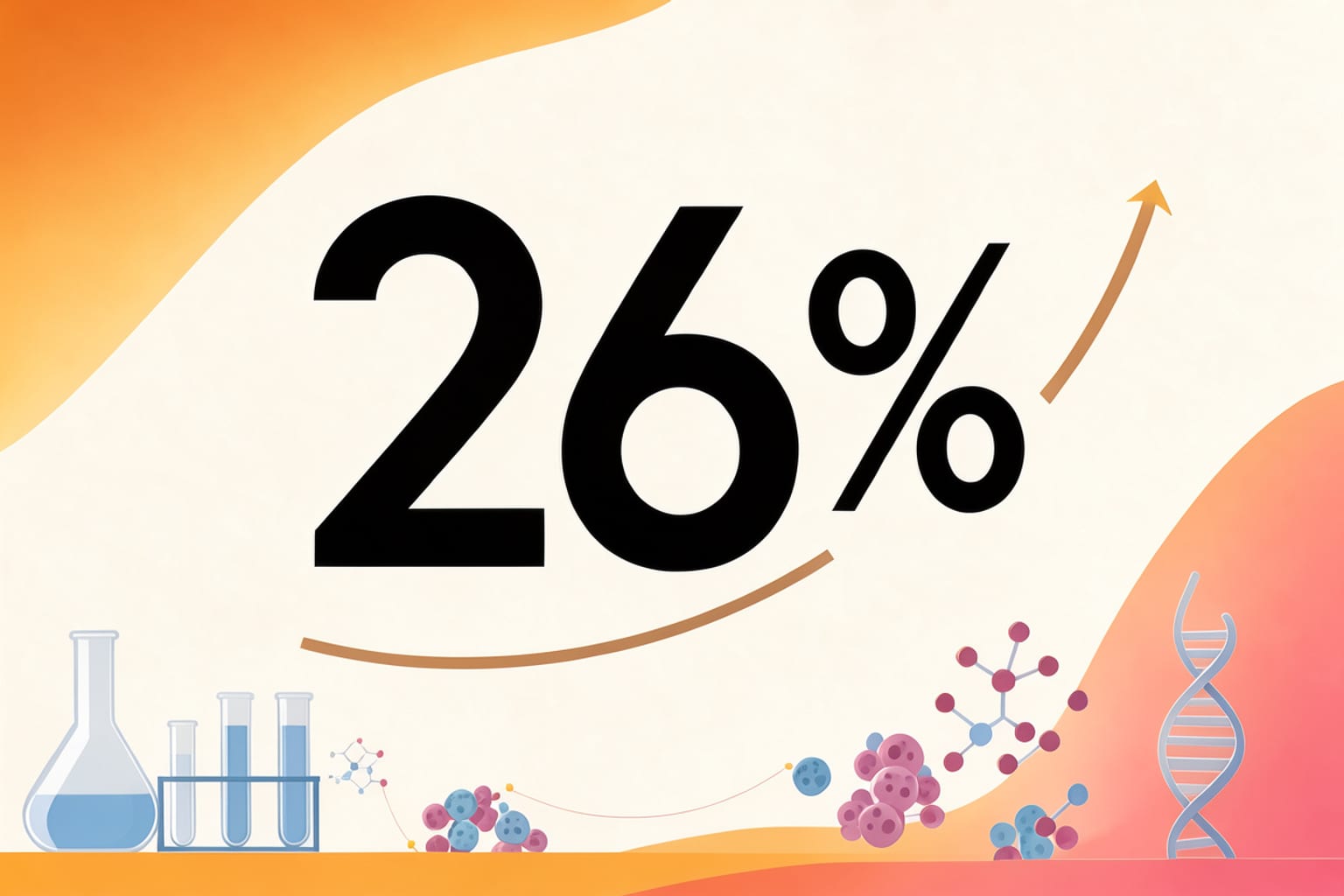
The team, led by Serena Nik-Zainal, a professor in the Department of Genomic Medicine, analysed whole-genome sequencing data from more than 17,000 tumours. Some 11,000 were primary cancers from the UK's 100,000 Genomes Project, and 6,000 were metastatic cancers from the Hartwig Medical Foundation in the Netherlands. The results are published in The Lancet Oncology, in a paper whose first author is Daniella Black. Around one in five primary cancers (19%) and one in four metastatic cancers (26%) carried DNA changes that existing approved targeted therapies could act on. Those therapies are approved by the US Food and Drug Administration (FDA) for specific cancer types. But more than half of the potentially actionable changes occurred in cancer types other than the ones those drugs were approved for.
Conventional tests look for one known mutation at a time. This study worked differently: it read each genome for patterns of damage spread across the whole DNA, which point to faults in basic cell pathways. One example is homologous recombination deficiency, a failure of one of the cell's most accurate repair systems, the one that mends broken DNA strands. A single whole-genome test can flag many kinds of abnormality, including ones nobody thought to look for, Nik-Zainal noted.
Why does the organ matter so much? Drugs are tested in trials on one tumour type and approved for that type alone. Moving a drug to another cancer means running new trials, and for rare cancers, gathering enough patients takes years. The problem is compounded by rarity: according to one clinical trial registry entry, these alterations are usually found in 5% or fewer of cases in any single cancer type. One way around it is the basket trial, which tests one drug across several diseases that share the same biomarker, the molecular feature the drug is designed to hit.
For a patient, the practical effect is not an immediate prescription. Nik-Zainal was careful on that point: "Not every drug will be appropriate for treating a different type of cancer, so not every patient could immediately benefit from existing therapies." What the study provides is a map of opportunities for new trials, which she says "could lead to much better outcomes."
The work is retrospective: it examined tumours already sequenced and did not test treatments on patients. The team says clinical trials are still needed to show whether these findings translate into better outcomes, and whether whole-genome sequencing is cost-effective. The next step is those trials, which would test whether a match found in a patient's genome becomes a better outcome for that patient.
Sources — read the originals(Paris time)
Pages consulted while writing
Read next
Comments
Loading the thread…
Sign in to leave a comment. Sign in