Penn's F³ makes event-camera data usable for robot vision
A drone carrying an event camera can see the way a biological eye does, reacting to changes in light rather than recording full frames. For decades, that promise of faster, more reliable robot perception has been held back by the data itself: an event camera produces what looks less like a picture than a dizzying stream of points.
That stream is where the Penn team went to work. Tens of millions of signals per second come out of an event camera, and until now, making sense of them meant a patchwork of specialized algorithms, each built for one job. The researchers, led by Pratik Chaudhari, first tried to adapt the mathematics of the fast Fourier transform, the standard tool for splitting signals into their parts, to event data. After months of experiments, the approach could not reliably capture both the layout of a scene and the motion within it.
The fix came from a neural network that learns its own way of summarizing the data. The team's key choice was to train it to predict future events: "To accurately anticipate future events based on past ones, the network must learn to represent both the structure of a scene and the motion taking place within it," says Richeek Das, the paper's first author. The resulting tool, F³, handles that task for many kinds of robots, and speed came from a second observation. Roughly 95% of possible positions in the data contain no events at all, so F³ does its calculations only where events occur.
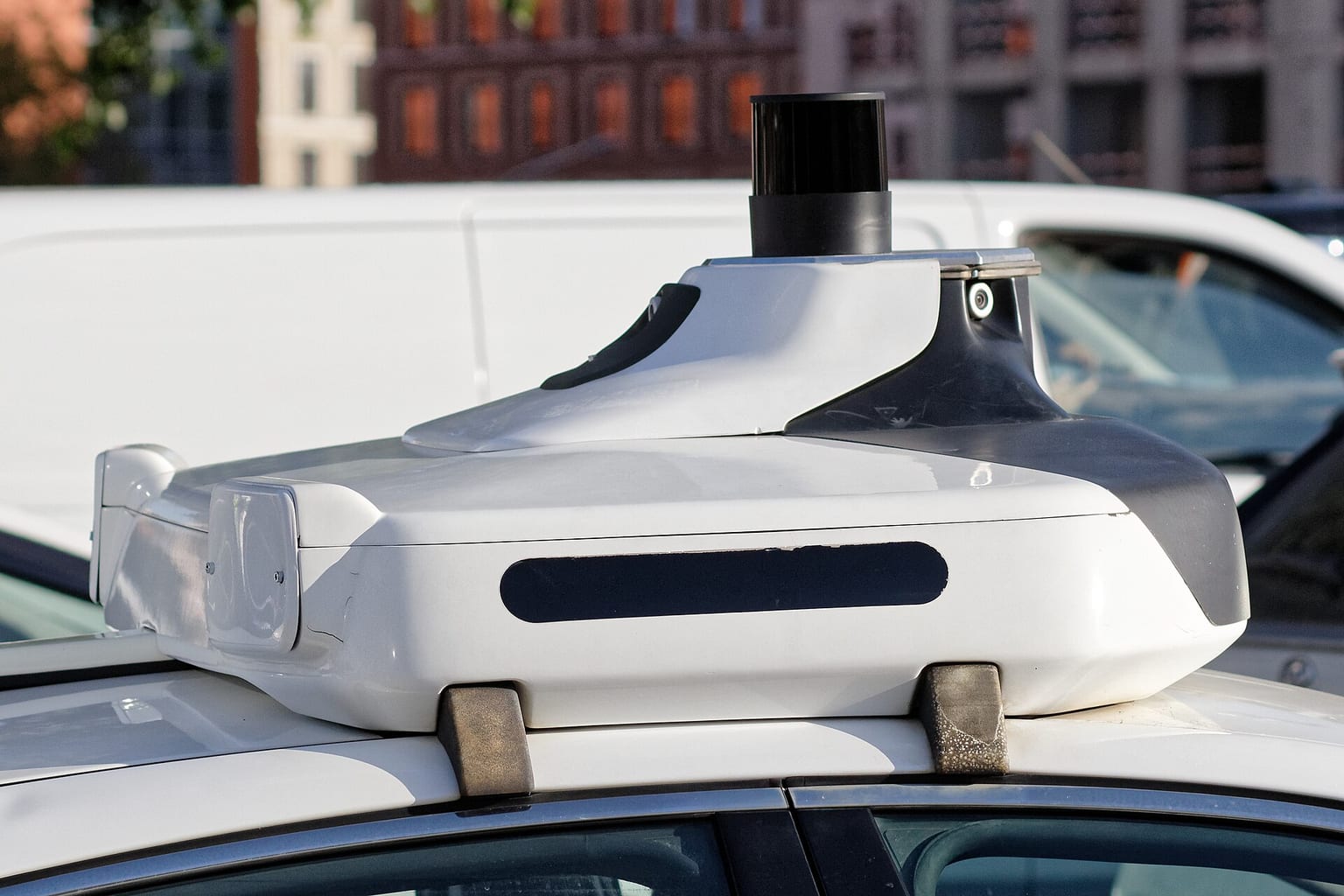
What this changes is access. Event cameras have so far stayed mostly in research labs, and the team argues that a general tool could make them practical in self-driving cars and drones, helping robots recognize objects, estimate distances and perceive motion in many lighting conditions. Earlier this year, Sony AI presented Ace, a ping-pong robot that uses event cameras to track a ball's speed and spin and competes with professional players. Ace shows what the sensor can already do in a controlled sport; F³ aims at the general case.
The next step the researchers point to is wider adoption across robot platforms, the test that will show whether one learned representation can serve tasks that once needed separate software. The paper gives no date for that, and no commercial product has been announced.
Sources — read the originals(Paris time)
Read next
Comments
Loading the thread…
Sign in to leave a comment. Sign in