Printed forms: nuclear concrete molds in two weeks, not six months
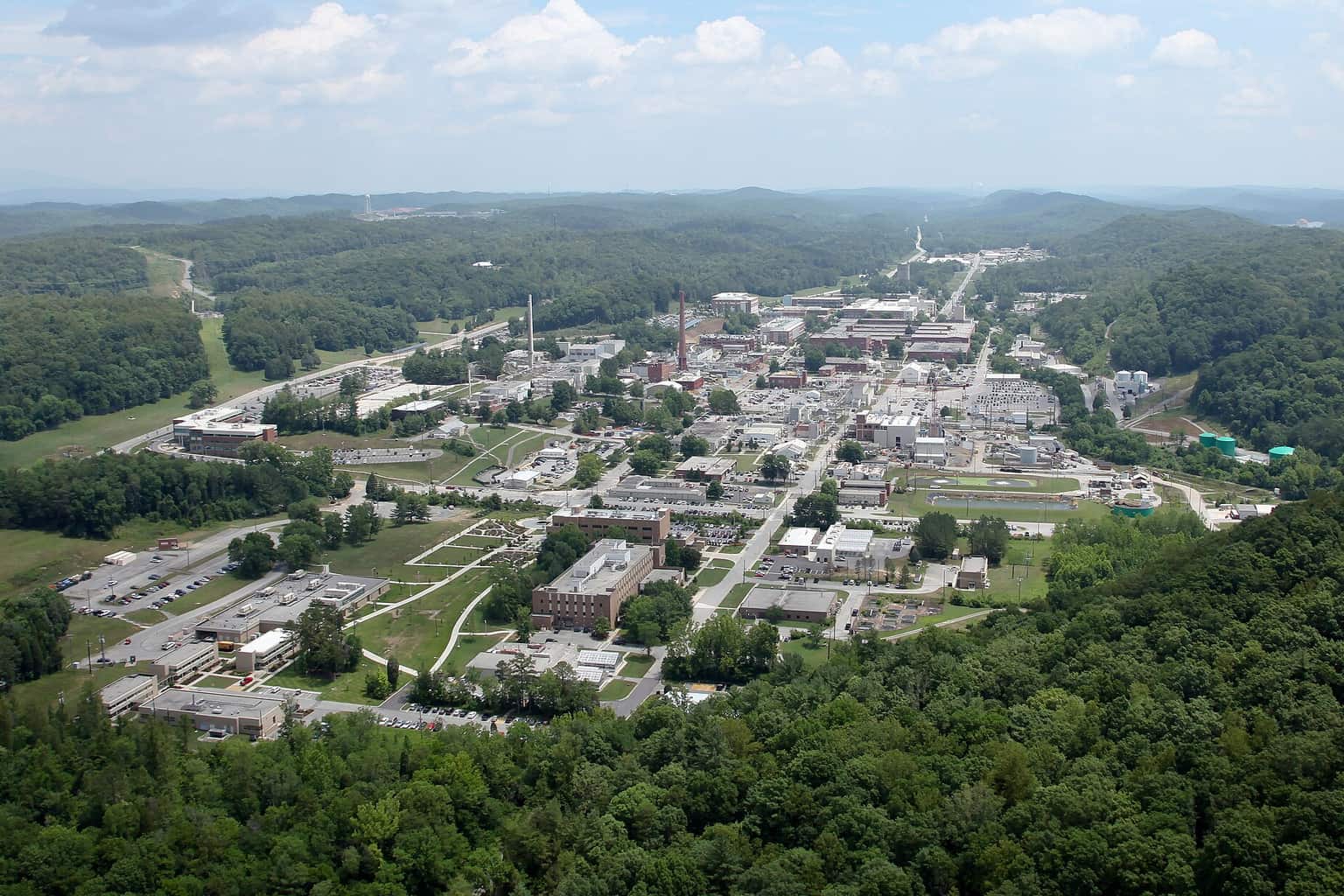
Six months. That is how long a conventional steel mold takes to build, and concrete poured for a nuclear structure has to be held in such molds until it sets. At Oak Ridge National Laboratory (ORNL), a team led by Ahmed Arabi Hassen, group leader for composites innovation, has built a different answer: reusable composite forms, 3D printed, that can be designed, printed and delivered in about two weeks.
The forms rely on large-scale additive manufacturing and precision machining. Their interlocking joints let radiation-shielding panels fit together without grout, and ORNL reports about 1.6 millimeters of precision on critical surfaces while the forms withstand concrete pressure. The forms were demonstrated at full scale at Kairos Power's Oak Ridge campus, where the Hermes Low-Power Demonstration Reactor is under construction. Each shielding section measured about 3 meters by 3 meters.
The project, titled Advanced Composite Formwork for Accelerated High-Precision Nuclear Infrastructure, earned the 2026 CAMX Combined Strength Award, which recognizes team-based approaches to composites challenges. It also involves the University of Maine's Advanced Structures and Composites Center and the Department of Energy's Advanced Materials and Manufacturing Technologies Office, among others. Robert Wagner, associate laboratory director for ORNL's Energy Science and Technology Directorate, said the award shows what happens when national laboratories, universities and industry combine their expertise to move advanced manufacturing into real-world use.
For builders on a nuclear site, the immediate change is the lead time. A form that once depended on months of steel fabrication can arrive in about two weeks, and the forms are reusable. The demonstration is already at full scale on a reactor under construction, but ORNL has announced no price and no calendar for wider use, and the only full-scale application reported is this one.
Hassen put the stakes in one line: conventional formwork is costly, labor-intensive and too slow for the pace of future nuclear construction, and the aim is to turn that bottleneck into an opportunity to build faster, smarter and more affordably.
Sources — read the originals(Paris time)
Read next
Comments
Loading the thread…
Sign in to leave a comment. Sign in