Renewable hydrogen reaches Marl on Germany's new pipeline
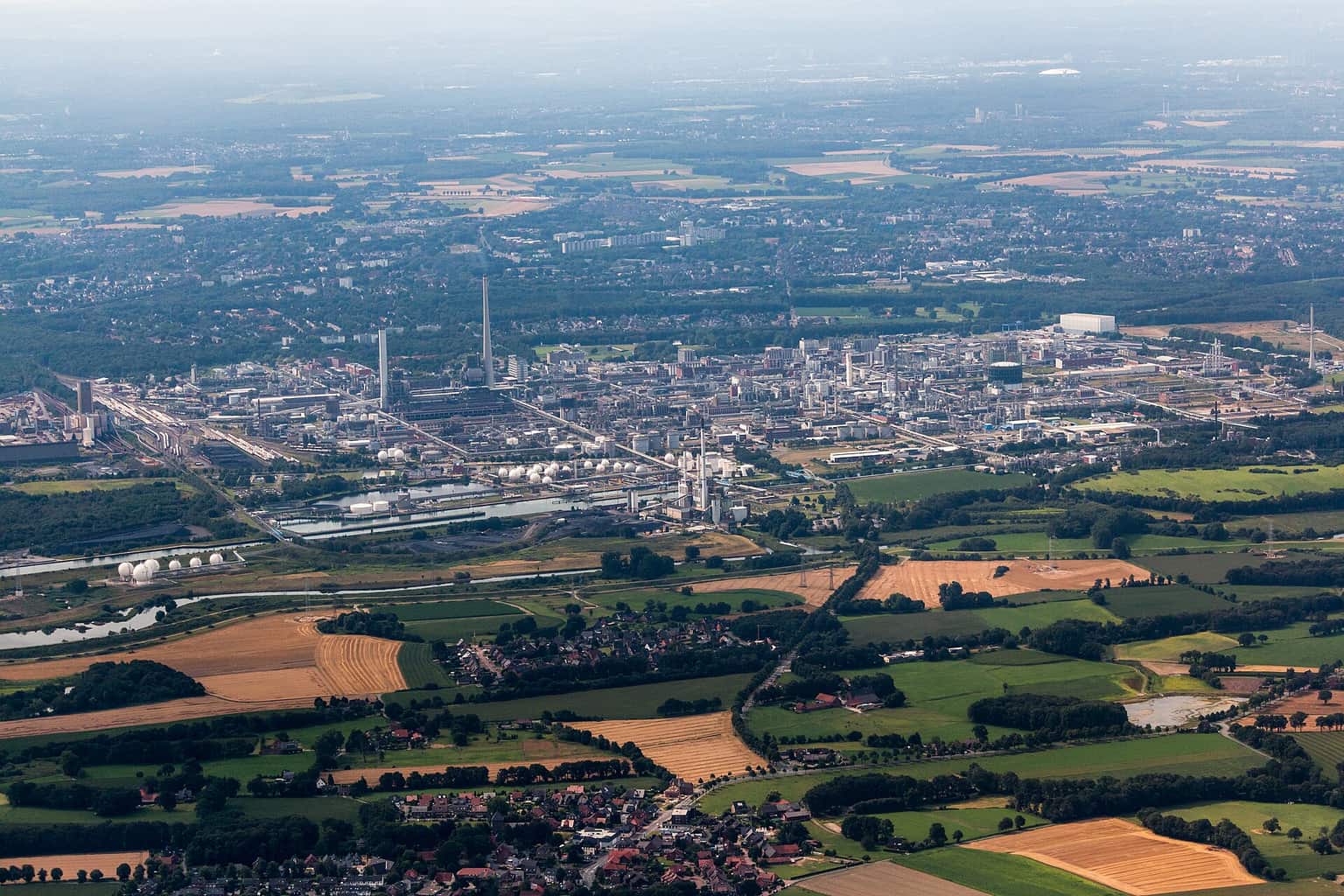
On 4 August 2026, RWE and its partners announced that renewable hydrogen produced during commissioning at Lingen had reached the Marl Chemical Park, roughly 120 km away. Electrolysers, which split water into hydrogen and oxygen using electricity, fed converted natural gas pipelines, and the receiving industrial infrastructure at the other end worked with them. The GET H2 consortium is credited with getting the equipment running. A pipeline that carries renewable gas across that distance is the technical proof the sector needed before anything else.
Building the link is one thing. Finding buyers who keep paying for what flows through it is another. Marl has used hydrogen for decades in integrated chemical processes, so the arrival of a new supply is not a new market. What changes is the origin of the molecules: here, renewable rather than fossil. Yet the announcement gave no quantity received, no price, and no figure for the fossil hydrogen the delivery replaced. The English release says the hydrogen was available for industrial use, while the German release says it was used. The network also carried hydrogen from earlier commissioning, so tracing individual molecules tells little. Measuring what changed at the receiving plants would tell more.
The clearest commercial signal is a contract. RWE has a 15-year agreement with TotalEnergies to supply about 30,000 tonnes of renewable hydrogen a year to the Leuna refinery from 2030. That gives a named customer, a volume and a period. The price is undisclosed, and European fuel regulations help create demand for renewable hydrogen in refining. Against that stands the scale of the plan: the approved core network covers 9,040 km, with expected investment of €18.9 billion, and much of it will use converted gas pipelines. These are approved plans, not evidence that the network is built or that future customers have committed.
The European outlook has moved the other way. ENTSOG, the association of European gas transmission operators, cut its 2030 hydrogen demand assumption from 620 TWh to 335 TWh in its October 2026 draft, a 46% reduction from its 2024 assessment; its 2040 figure fell 33%, from 1,929 TWh to 1,296 TWh. These are planning scenarios, not measured consumption, but infrastructure economics depend on demand growth. The analysis behind this report also runs an illustrative model: about €9.06/kg delivered after assumed capital support, against a €3/kg conventional benchmark. Those are scenario values, not RWE's costs or the price paid at Marl, but they show the gap that industrial buyers face.
For the Leuna refinery, the change is due from 2030, when the TotalEnergies contract begins to supply renewable hydrogen. For the wider network, what changes depends on how many comparable customers exist, what they can afford, and whether their businesses keep using hydrogen for the decades needed to recover the investment. The next date already on the calendar is 2030, and it is the one that will show whether the pipeline has a market.
Sources — read the originals(Paris time)
Read next
Comments
Loading the thread…
Sign in to leave a comment. Sign in