Wind-powered 30 MW plant in Germany makes first green hydrogen
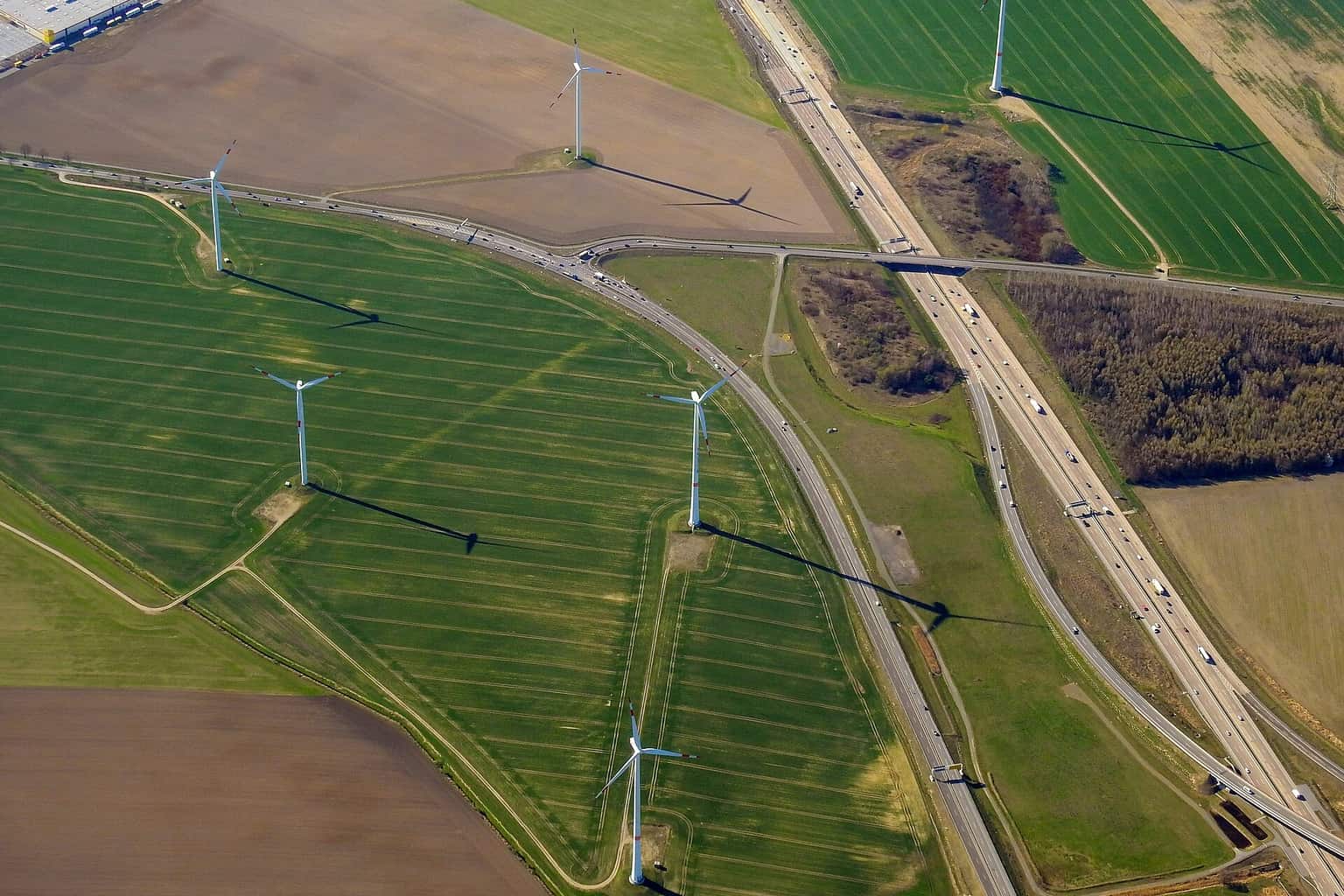
Near Leipzig, a wind farm of around 50 MW now feeds electricity into a 30-megawatt (MW) electrolyser. The Bad Lauchstädt Energy Park has produced its first green hydrogen, Uniper and VNG Handel & Vertrieb announced on Tuesday, 10 November. Production has been running for several days, said Uniper’s chief operating officer, Holger Kreetz, and the plant now moves into integrated testing, with all major components running together.
Electrolysis splits water with electricity. But as Kreetz put it, “the hydrogen economy needs more than electrolyzers”: the whole process chain has to run reliably. The plant’s electrolyser is a pressurised alkaline unit built from three modules of 10 MW each, and the conversion itself happens inside the stacks, two per module. Construction began with a groundbreaking in June 2023, more than three years before this first molecule, and the project carries a total investment of €210 million, including €44 million under the Reallabor der Energiewende programme.
The volume is where the accounts diverge. Interesting Engineering reports up to 3,000 tonnes of green hydrogen a year, and europawire gives the same figure for the volume its anchor customer will buy. The consortium’s spokesperson, Cornelia Müller-Pagel, speaks of up to 4,000 tonnes per year, and gasworld uses the same number. Either way, most of the output already has a buyer: almost three-quarters goes through a 25-kilometre pipeline, a former natural gas line owned by ONTRAS Gastransport, to TotalEnergies’ refining and petrochemical site at the Leuna Chemical Complex. Uniper and VNG have not revealed a firm timeline for full production.
For the chemical sites around Leuna, the change is practical: a supply of renewable hydrogen by pipeline, once the plant runs. The hydrogen is to be fed into Central Germany’s industrial pipeline network, and according to Hydrogen Central, TotalEnergies plans to begin supplying customers with green hydrogen in early 2027. The partners expect the plant to be fully operational in 2027. The statement adds that the network could later connect to Germany’s wider hydrogen core network of nearly 9,000 kilometres, with salt cavern storage possibly added in a later phase. Hydrogen-powered urban transport is a future use, not a near-term one.
Timm Kehler of the Gas and Hydrogen Industry Association urged patience about the ramp-up, and IndexBox notes that routine deliveries to industry had not yet started after the initial run. The next step is optimisation of how generation, electrolysis, gas treatment and transport work together under real operating conditions, before commercial operation. The energy park had already received renewable fuel of non-biological origin (RFNBO) certification in August 2026, confirming that the hydrogen it produces meets that standard.
Sources — read the originals(Paris time)
Pages consulted while writing
Read next
Comments
Loading the thread…
Sign in to leave a comment. Sign in