Solar robots hit 300,000 tasks, nearly doubling install output
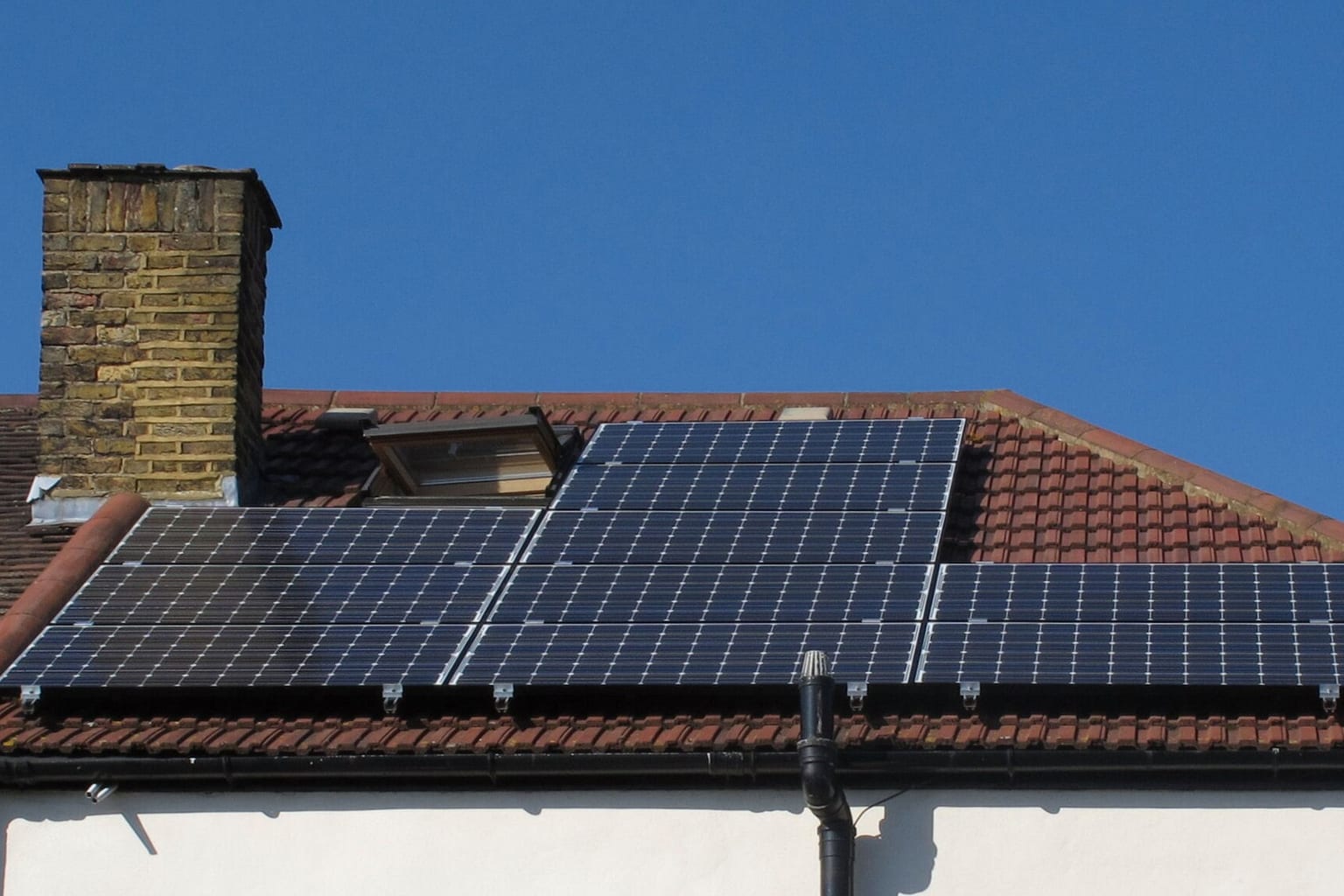
Panel by panel, the count has passed 300,000. Maximo says its robot-equipped crews have now completed their 300,000th construction task on Amazon's Bellefield solar project, a site where the first half of the complex was finished last summer. At full pace, the latest version of the robots, 3.0, lets crews install as many as 24 solar panel modules per hour, per person.
Maximo's engineers did much of the refining before the machines reached the field. Using NVIDIA AI infrastructure, the NVIDIA Omniverse libraries and the NVIDIA Isaac Sim robotics simulation framework, the team developed and tested robotic capabilities in physics-based simulation, then deployed each update on site. The company says this loop shortened development and validation timelines and raised confidence in field performance as the fleet grew. What Maximo brands as 'physical AI' is, in practice, automation of repetitive movements: picking and placing modules, feeding them and attaching them. Amazon Web Services (AWS) handles the software delivery and collects operational data so the system keeps improving.
The comparison comes from Maximo itself. The company says its latest crews have nearly doubled the output of traditional installation methods at similar solar sites throughout Southern California, and no independent measurement appears in the reporting. The Bellefield project is set to eventually reach over a gigawatt (GW) of solar generating capacity, and no completion date has been given.
Faster installation, according to the report, helps companies like Amazon cut their carbon footprint and save money as fossil fuel prices keep climbing. The construction industry also faces major labor shortages, which is why the efficiency gains matter on the job site. Matt Tetrault, President of Primoris' Renewables business, puts it this way: 'The future of solar construction depends on bringing together the experience of our people and new technology.'
Maximo now plans to take the robots beyond solar, into construction tasks that involve similar pick-and-place, feeding and attaching movements, as well as site logistics and cleanup. No timeline has been announced for those uses. The next step is the extension itself: the same loop of simulation, field deployment and data that brought the solar crews to 300,000 tasks.
Sources — read the originals(Paris time)
Read next
Comments
Loading the thread…
Sign in to leave a comment. Sign in