Sunfire Prepares Series Production of High-Temperature Electrolysers
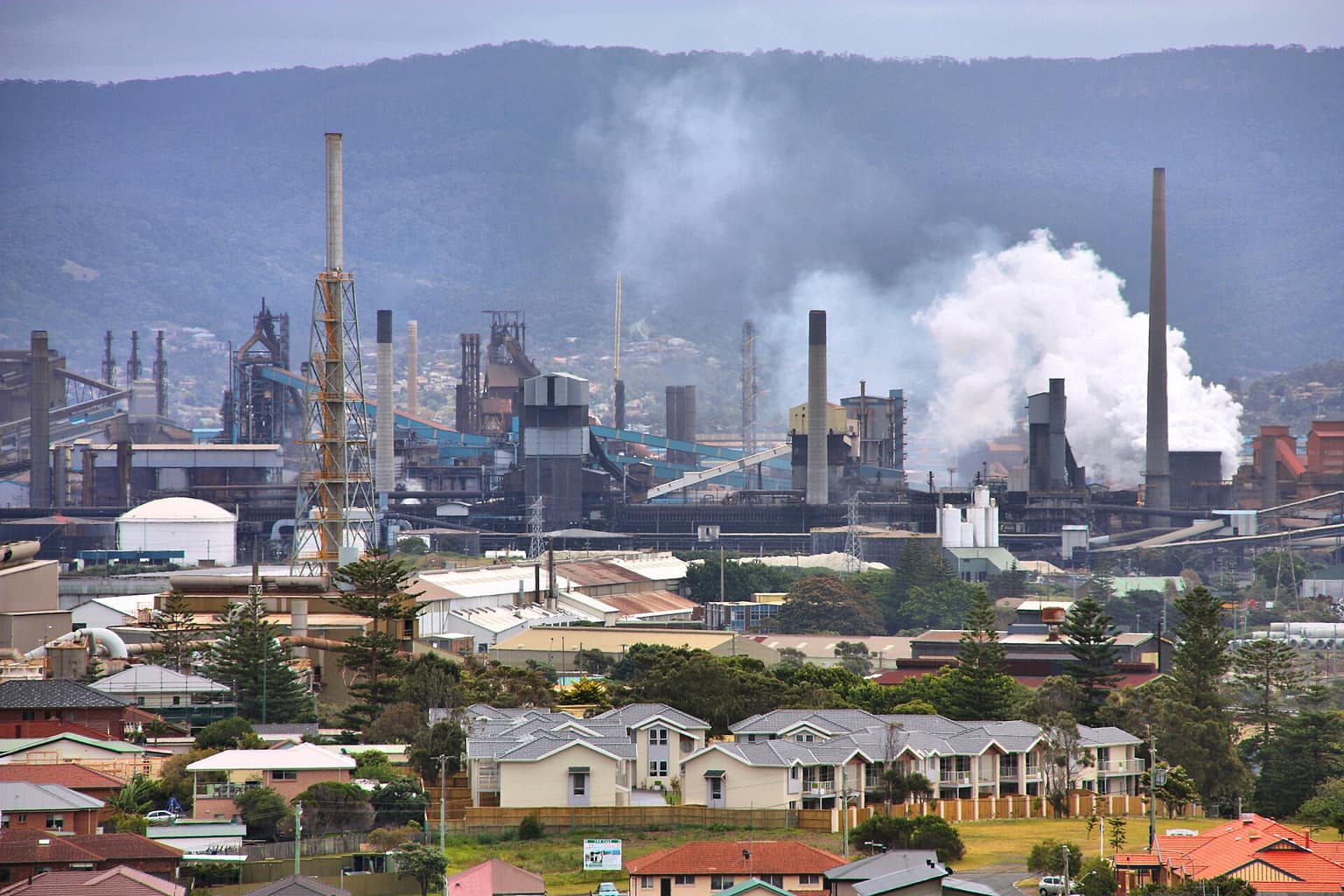
Steelworks, refineries and chemical plants need green hydrogen in large quantities. But producing it consumes a great deal of electricity and is expensive. High-temperature electrolysis, or SOEC for short, addresses exactly this problem: it uses industrial waste heat and therefore needs less electricity than established electrolysis methods.
The advantage thus lies in the source of the energy. Where a plant already generates heat, that heat takes on part of the work that would otherwise require electricity alone. SOEC is therefore particularly suited to steelworks, refineries and chemical parks, that is, to sites with high hydrogen demand and plenty of waste heat.
Demand is greatest in steel. The German steel industry recently emitted around 46 million tonnes of CO₂ per year, roughly 30% of industrial emissions. Green hydrogen can replace coal and natural gas there. In refineries and chemical plants it serves as a feedstock. In addition, high-temperature electrolysis can supply syngas for synthetic fuels such as e-kerosene, which links it to the debate over the future role of e-fuels in transport.
Sunfire in Dresden is furthest along. The company is preparing series production of its own high-temperature electrolysers. Thyssenkrupp Nucera is taking a more cautious approach: development continues together with Fraunhofer IKTS, but its plans for large-scale production have been shelved for now. Series production is waiting on demand.
The first beneficiaries would be companies with large amounts of waste heat and high hydrogen demand. When this becomes series production depends, according to the article's findings, on demand. If a manufacturer gives no date, the technology remains for now a promise for certain sites.
Sources — read the originals(Paris time)
Read next
Comments
Loading the thread…
Sign in to leave a comment. Sign in