Tuberculosis: two 16-week treatments advance to next trial stage
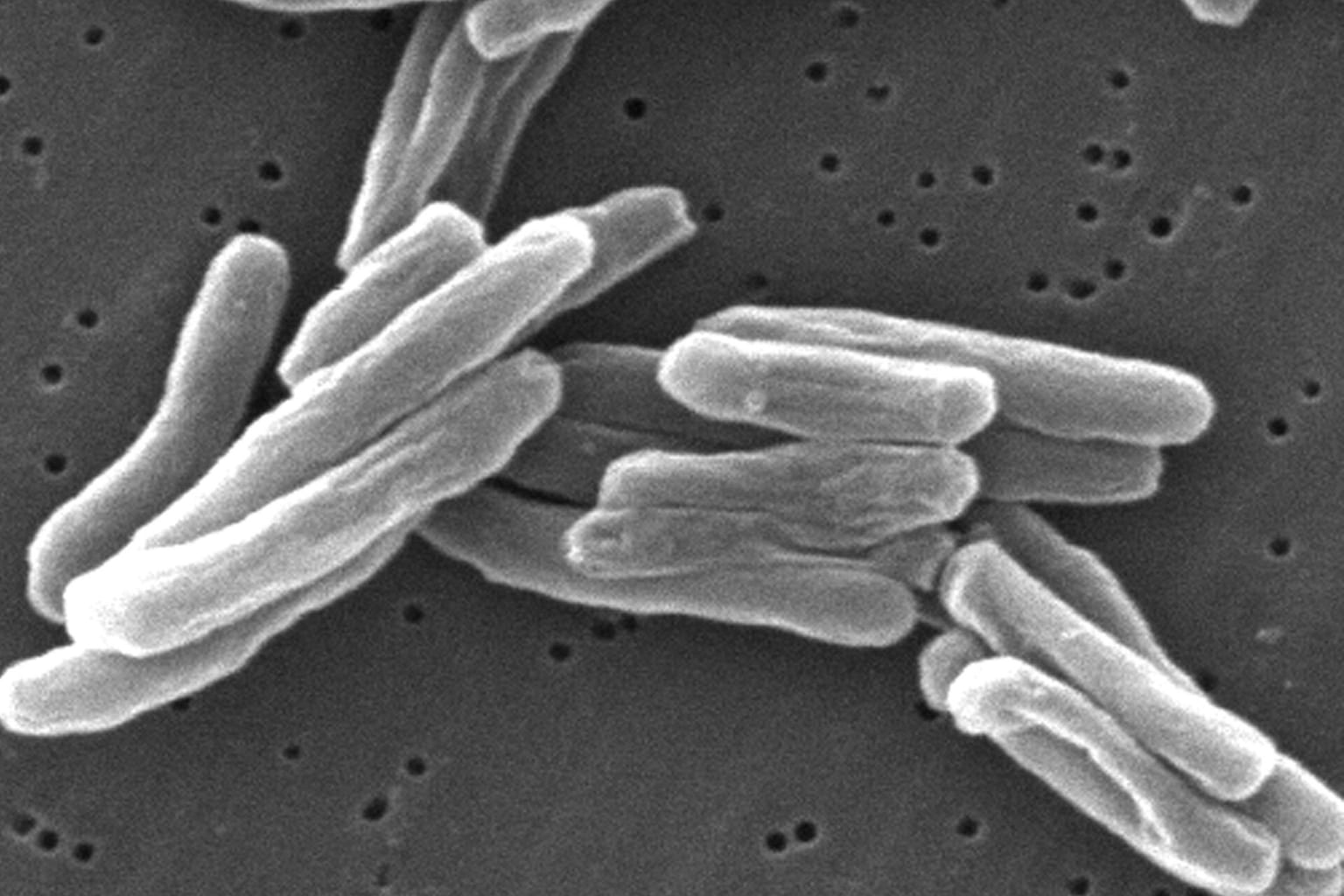
Two new drug combinations against tuberculosis have cleared the first stage of a large clinical trial. Each lasts 16 weeks, against the 24 weeks of the standard course. The results, followed up to week 48, were published in the New England Journal of Medicine and presented at the Union World Conference on Lung Health 2026.
Tuberculosis still kills more than one million people a year. The standard treatment, four drugs taken together, has been the reference for about 40 years. It is long, and its side effects weigh on patients. Shorter and safer courses are the goal the trial was built to serve.
The trial, called PARADIGM4TB, changes the way drugs are tested as much as the drugs themselves. Instead of running one new combination against the standard, it compares several at once against the same control, a little like tasting several sauces against one reference dish. Its first stage enrolled 401 adults with lung tuberculosis that responds to rifampin, a first-line TB drug, at 14 sites in five countries. University College London sponsors the study, and Radboud University Medical Center coordinates the wider UNITE4TB consortium. Hanif Esmail, the UCL clinician who leads the trial, says the design lets researchers "evaluate more treatment options in less time than traditional approaches allow."
The two new molecules attack the bacterium in different places. Ganfeborole stops it from building its own proteins. BTZ-043 blocks an enzyme needed to assemble its cell wall. Both had already shown strong early killing of the bacterium in earlier clinical studies. To judge the combinations, the team followed how quickly sputum, the mucus brought up from the lungs, cleared of the bacterium over the first 12 weeks. It also checked whether patients were free of treatment failure or relapse at week 48. Jodie Schildkraut, of Radboud, says the team weighed the week-48 results together with the microbiology and safety data, because together they give greater confidence.
Two combinations came out ahead. The best ganfeborole regimen pairs it with bedaquiline, pretomanid and moxifloxacin. The best BTZ-043 regimen pairs it with bedaquiline, delamanid and moxifloxacin. One BTZ-043 combination, with pyrazinamide, carried a safety signal for excess liver toxicity. These are phase 2 results, the stage in which a treatment is first tested for effect in patients, before the larger studies that decide whether it reaches them. Picking two regimens from several is a selection, not a proof.
For patients, the gain would be a shorter course, if it holds. The next stage will test how far the treatment of the two selected combinations can be shortened while keeping the response durable and preventing relapse. Only after that could future phase 3 trials, the larger studies that come before any approval, decide whether the regimens reach patients. David Barros-Aguirre, head of global health medicines R&D at GSK, calls the results "an encouraging step forward for ganfeborole." The team gives no date for that next step. Nicholas Paton, the trial's chief investigator, puts the open question plainly: "How short can treatment be while maintaining a durable response?"
Sources — read the originals(Paris time)
Pages consulted while writing
Read next
Comments
Loading the thread…
Sign in to leave a comment. Sign in