Underground CO₂ storage hits record 43.6 million metric tons in 2024
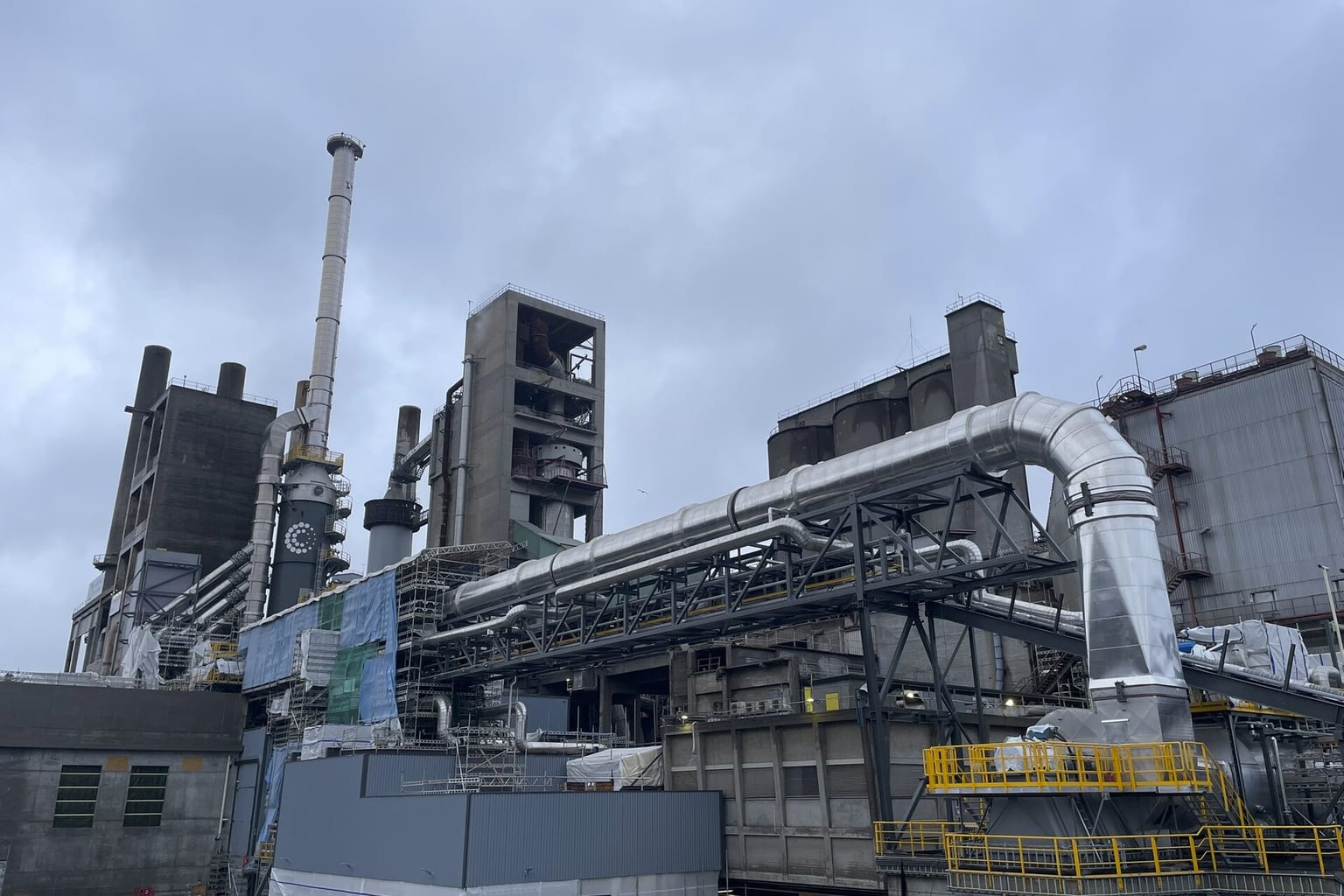
In 2024, 43.6 million metric tons of carbon dioxide (CO₂) were injected into underground rock formations worldwide, a record according to the 2026 Annual Report of the London Register of Subsurface CO₂ Storage, run by Imperial College London. The register tracked 70 projects across 17 countries on six continents.
The principle is simple: CO₂ is captured from industrial operations, power generation or the air, then injected into rock formations, where it can remain trapped for thousands of years. The volume has grown fast. Annual storage rose from 23.1 million US tons in 2016 to 48.1 million US tons in 2024, and Samuel Krevor, director of the register, says that over this period annual reported storage more than doubled. New countries keep joining, with New Zealand and Italy entering the register for the first time.
The United States reported the most projects in 2024, 23 of them, storing 22.3 million US tons collectively. The largest single site is in Brazil: Petrobras's Santos Basin pre-salt oil field reported 15.7 million US tons, about one-third of the global total. China reported 1.9 million US tons, from the Shengli Oilfield and the newly included Daqing Aonan Oilfield, and Australia also reported 1.9 million US tons.
The researchers put their own caveats on the table. The 2023 annual figure was revised down from 49.8 million US tons to 46.0 million US tons, and cumulative storage through 2023 fell from 387.4 million US tons to 377.0 million US tons, a 2.7 percent reduction. Figures for 2025 show 39.9 million US tons from 29 projects in 12 countries, but the data are incomplete. Dr. Xiaowei Gao, executive director of the register, sees the openness as the point: “That transparency matters if geological CO₂ storage is to earn the confidence of policymakers and investors.”
For policymakers and investors, the scale of the task is now measurable. Meeting the 1.5°C target of the Paris Agreement requires geological storage to reach at least 1.1 billion US tons of CO₂ a year by 2050, against 48.1 million US tons in 2024. Krevor projects that removals from the atmosphere, now a small share of activity, will become the leading technology using geological storage by mid-century, once industrial capture no longer dominates the supply.
Sources — read the originals(Paris time)
Read next
Comments
Loading the thread…
Sign in to leave a comment. Sign in