Wild deer and foxes fit their own GPS collars in Norway trials
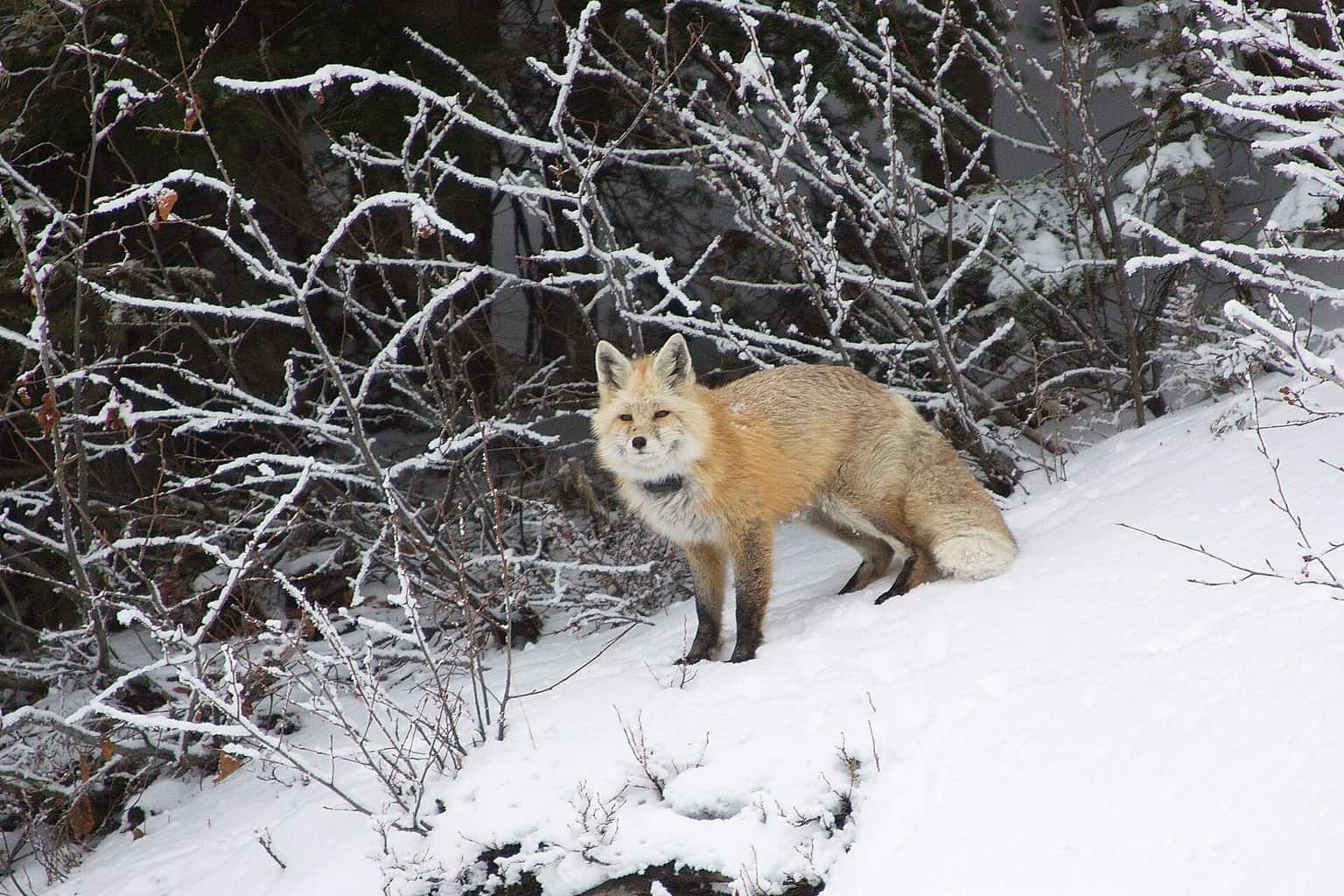
Put a tracker on a wild red deer and, for six decades, you first had to catch it. In a proof-of-concept study published in BioScience, Professor Richard Bischof of the Norwegian University of Life Sciences (NMBU) shows that the animals can now do that job themselves. His method, called Capture-Free Telemetry (CFT), fits GPS collars, satellite-based location trackers, onto wild animals as they visit baited devices in their habitat.
Capture is the weak point of wildlife tracking. Catching and restraining an animal is invasive, difficult and expensive, and it can cause severe stress, with risks of injury or death for the animal and sometimes for the people involved. Because capture is the riskiest and most demanding step, studies often follow only a handful of animals at a time. Teams also make design compromises to stretch the battery life of the collars.
The CFT setups are built for each species. In Norway, Bischof tested systems for ungulates, such as red deer (Cervus elaphus), and for carnivores, such as red foxes (Vulpes vulpes). The deer trials took place at the Norwegian Deer Centre, a national competence center for deer and other wild ungulates. The collars adjust automatically to the neck size of each animal. They are designed to drop off after a few weeks or a couple of months, and they have built-in weak spots that let them separate if the animal is uncomfortable or gets tangled.
The idea is older than the lab. Before moving to Norway for his PhD, Bischof worked as a wildlife biologist with the Nebraska Game and Parks Commission, where he learned trapping from professional trappers. He also found a series of largely forgotten studies from the 1950s to the 1970s that explored automatic animal marking. Snares, the oldest trapping tool, are often misused and are favored by poachers, which makes the approach controversial. Bischof sees a paradox in that: "A method often viewed as controversial may ultimately help reduce the need to capture and handle animals for research."
For researchers, the gain is a shift from "few animals, followed closely" to "more animals, each for a shorter time", which Bischof calls "finer-touch telemetry". That could give better coverage of the population and more detailed data, while reducing disturbance to animals' natural behavior. The team, with colleagues across Europe and the United States, is now comparing the behavioral effects of CFT with those of capture-based tracking and exploring its use on other species.
Sources — read the originals(Paris time)
Read next
Comments
Loading the thread…
Sign in to leave a comment. Sign in