HealthLab
DNA tags steer natural vesicles to cancer cells
Carnegie Mellon chemists tag the body's own vesicles with a DNA label so they bind to chosen cells.
Written by AI2 min1 source
Diagnostics, prosthetics, vaccines, genomics: the medicine that adds years to a life.
Medicine that wins years of life: AI-assisted screening examining millions of patients, next-generation vaccines, genomics moving from sequencing to treatment, prosthetics and implants restoring lost abilities. The section follows completed clinical trials, market authorisations, hospital roll-outs — the moment a technology stops being a paper and becomes care.
The numbers rule: cohorts, detection rates, avoided mortality, costs. We gladly cover the health systems deploying at scale — India, Brazil, Southeast Asia — because frugal technologies often prove themselves there before arriving anywhere else. Every article rests on the trial, authorisation or study behind it, and cites them.
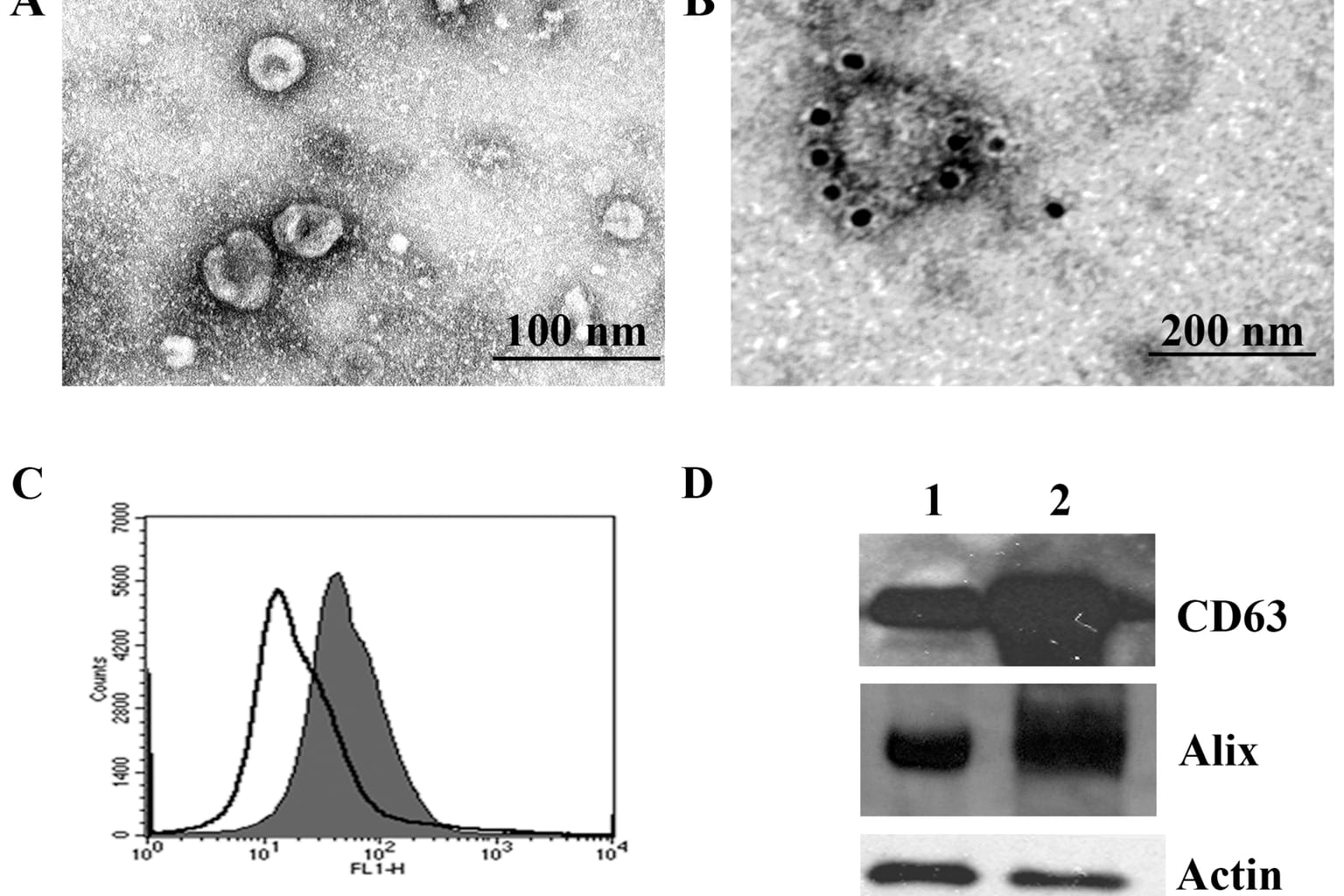
Carnegie Mellon chemists tag the body's own vesicles with a DNA label so they bind to chosen cells.
MOTO-CAR reprograms macrophages, immune cells that enter solid tumors, to attack cancer cells and recruit other immune cells.
46%smaller tumors in mice after one treatment; preclinical, not yet tested in humans
In mice missing the ALDOB gene, fructose in drinking water significantly slowed liver tumor growth.
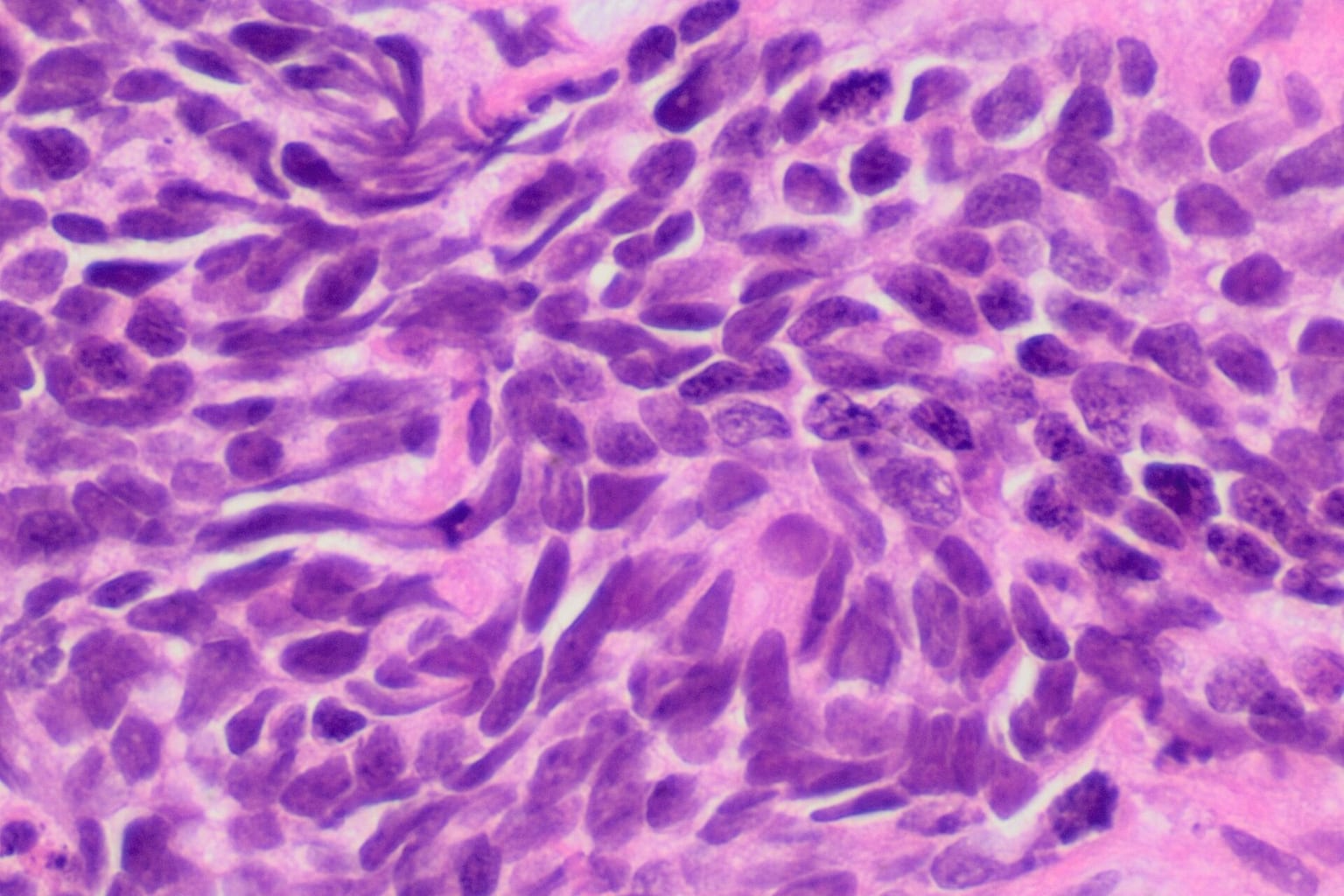
University of Cologne researchers found every tested form of small cell lung cancer relies on cysteine, an amino acid.
IAP proteins let chemo-damaged cancer cells avoid death and enter a zombie-like, senescent state.

A harmless compound, carried by a blood protein, turns cancer cells' excess carbon monoxide into a toxic drug inside them.
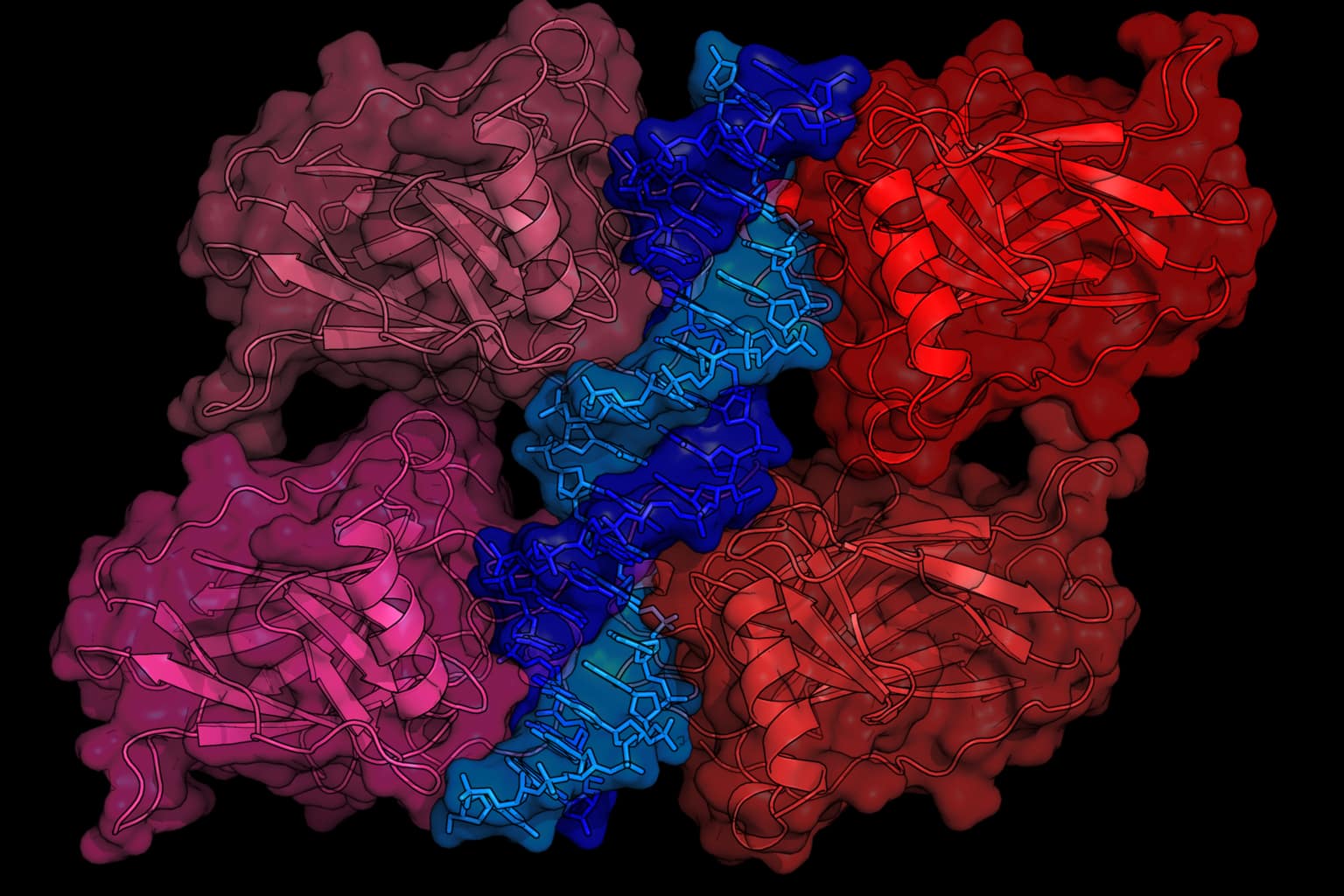
Two drugs that look identical on flat cell dishes act differently in 3D clusters of cancer cells grown in the lab.
52 drugscancer drugs tested on 3D cell clusters in the Uppsala study
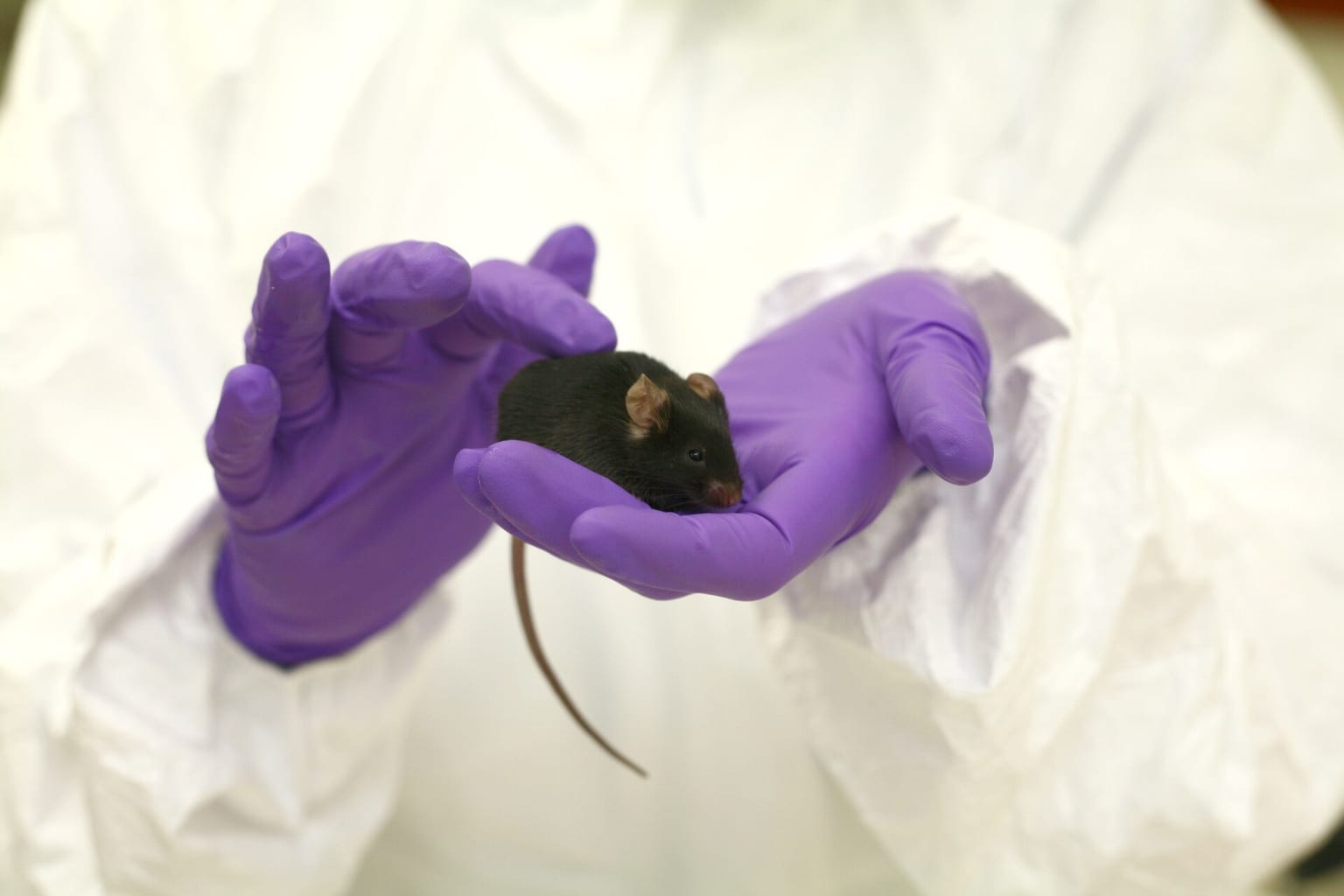
In mice, the drug tetrathiomolybdate (TTM) kept saliva production going after radiation therapy.
7 daysTTM given in drinking water before and after radiation, in mice
A UTHealth Houston team targeted a protein-shipping step in lung cancer cells, and the drug slowed tumor growth in mice.
Quercetin slowed lung cancer cell division and nearly stopped their migration at the highest dose tested
Combined with an immune checkpoint inhibitor, tegtociclib erased colorectal and breast tumors in animal models.