Copper-blocking drug preserves saliva in irradiated mice
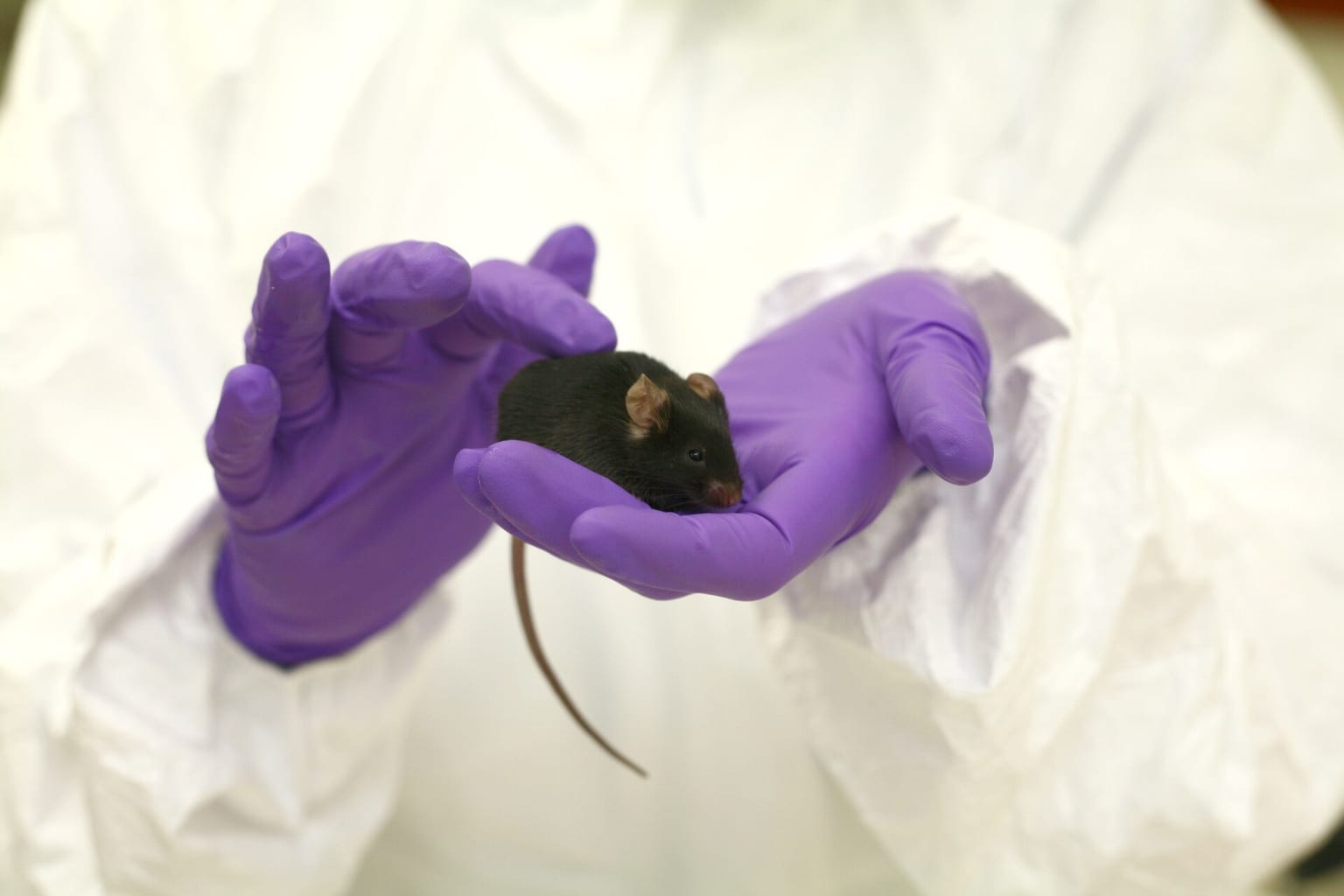
Radiation therapy destroys cancer cells, but it can also leave a lasting cost. The saliva-producing glands can be damaged, and the resulting dry mouth can persist long after treatment ends. Olga Baker, a professor in the School of Medicine at the University of Missouri, knows that cost from her years as a dentist: "I saw firsthand the damage radiation did to the salivary glands of some of my patients." In a new study, her team found that a drug called tetrathiomolybdate, or TTM, helped mice keep producing saliva after radiation.
The approach rests on a chain of cause and effect. Radiation can cause an excess of collagen, a structural protein, to build up in the salivary glands, which makes them stiff, damages them and ultimately reduces saliva. Michael Petris, a co-author who studies copper's role in the body, was familiar with TTM, which lowers the amount of copper available for biological processes. Since copper plays a role in collagen production, Baker and Petris hypothesized that limiting copper could reduce the collagen buildup. The team gave mice TTM in their drinking water for seven days before and after radiation treatment.
The result was that the treated mice maintained saliva production even after radiation. The study, led by Kihoon Nam and published in Advances in Radiation Oncology in 2026, is a laboratory result in animals. The team has not reported results in people, and it has not published a dose or a timeline for human use.
For patients, the benefit would be measured in daily comfort rather than in cancer outcomes. Baker describes what dry mouth takes away: "When you see patients who need a humidifier to sleep at night without the fear of choking or patients who can no longer fully enjoy the taste of different foods, you realize the impact this work can have on patients' quality of life and oral health." If the drug works in larger animal studies, people who undergo radiation could eventually be spared that loss, but that step is still ahead.
The first hurdle is safety for the cancer treatment itself. The researchers' next priority is confirming that TTM does not reduce radiation's ability to destroy cancer cells. Only if larger preclinical studies show that TTM protects the salivary glands without weakening that effect could the research move toward clinical trials. No date has been set for that stage.
Comments
Loading the thread…
Sign in to leave a comment. Sign in