Bacterial syringes now inject active proteins into plant cells
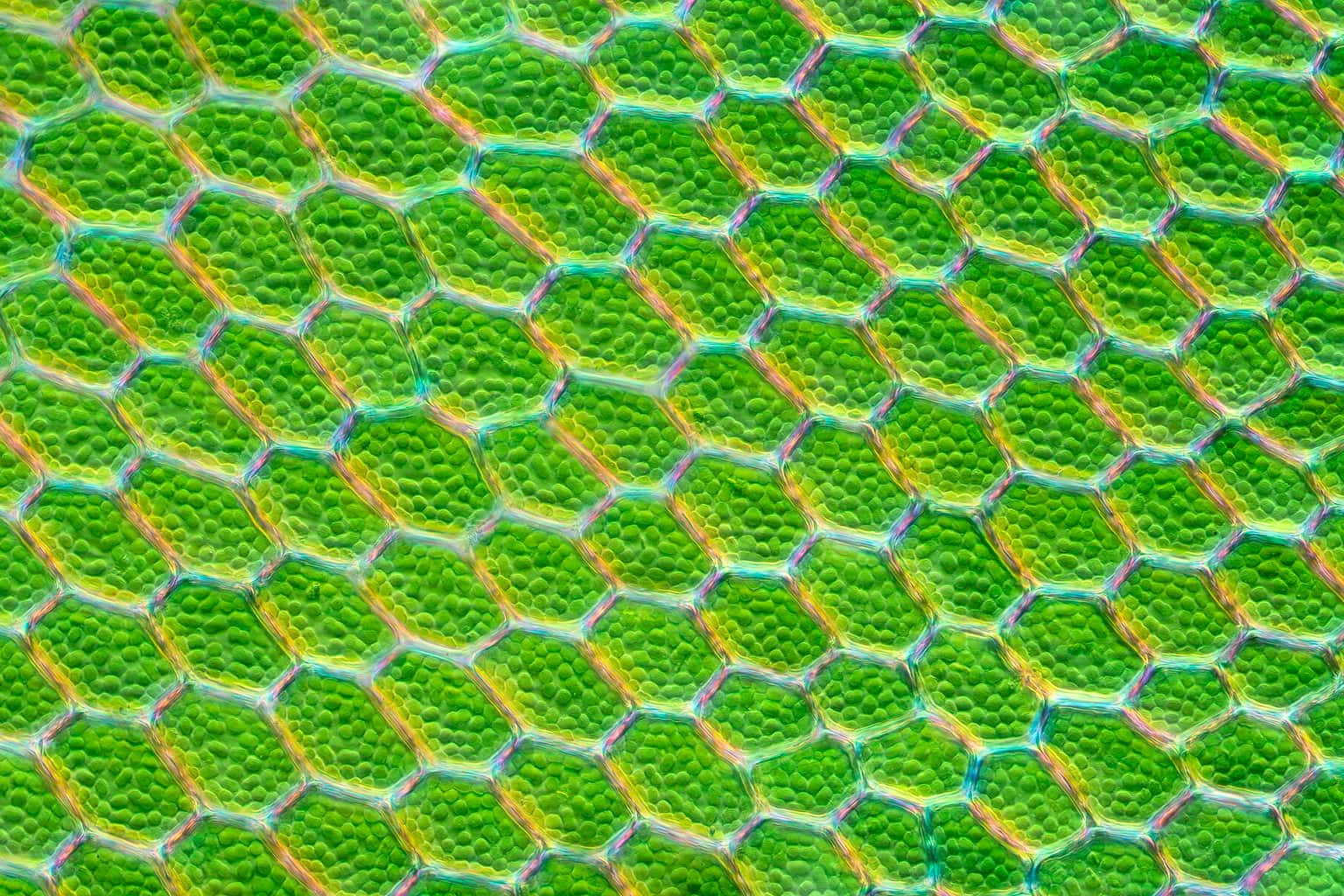
A bacterium uses a microscopic syringe to pierce insect cells and inject toxins. Caltech researchers have now aimed that weapon at plants. In the lab, a team led by chemical engineer Gozde Demirer made a bacterial syringe deliver working enzymes into the leaf cells of two common research plants.
The obstacle is the plant itself. Each cell is wrapped in a rigid wall and protected by a membrane, and proteins, the molecular tools that control growth and stress responses, rarely get through. Many genetic modification methods work around this by delivering DNA instructions that tell the cell to make the protein. That works, but the DNA can end up in the plant's genome. Delivering the protein directly skips that step.
The syringes come from Photorhabdus, a bacterium that releases them naturally. Their tail fibres grab a target cell, a surrounding sheath contracts, and an inner tube is driven through the membrane. The team kept the machinery and changed the grip. They replaced the fibres' natural binding region with a short chain of amino acids called flg22, which many plants already recognise. Plants carry a receptor called FLS2 on their cell surface that detects flg22 as a sign of bacterial infection, so the modified syringe now latches onto plant cells. The particles were produced in laboratory bacteria and applied to the plant cells.
The first test used plant cells with their walls removed, and it confirmed delivery. The harder test came in intact leaves. The team loaded the syringes with Cre recombinase, an enzyme that rearranges DNA, and used a reporter that lights up only if the enzyme acts inside the cell. A lit cell means the enzyme got in and worked, not just that it stuck to the surface. Up to 16% of leaf cells received the enzyme in ordinary plants. When the team engineered plants to make extra FLS2, about 75% of leaf cells lit up. Without FLS2, delivery did not happen at all. A preprint version of the study reports efficiencies of up to 15%.
The same syringes also carried R2, a genome-editing protein that writes a new gene at a chosen spot in the genome. The reporter gene's DNA was supplied separately. Inside the cell, R2 used an RNA copy of that DNA as a template, cut the plant's DNA at the target site and inserted the gene. In Nicotiana benthamiana leaf cells, the reporter was expressed, and DNA sequencing confirmed that the insertion was at the intended location.
For a plant biologist, the gain is control. A protein could be switched on briefly to change how a cell behaves, or aimed at a lasting change in the genome, and the team says that, with further development, the target cells could be chosen. Legendre, the paper's lead author and a graduate student in Demirer's lab, says he is confident the team can eventually build the first plant transformation system with cell-targeting and multifunctional capabilities. He also says the platform still needs development before it could be used in the field.
The next step, as the paper describes it, is to combine these components so that different protein activities can be directed to selected plant cells. For now, the platform works in two laboratory species, in leaves, and depends on the plant carrying enough of the right receptor on its cells. For crop research, it adds a way to deliver working proteins without the DNA instructions that many methods use, although the R2 test still relied on separately supplied reporter DNA.
Sources — read the originals(Paris time)
Pages consulted while writing
Read next
Comments
Loading the thread…
Sign in to leave a comment. Sign in