Boosting cells' own defenses blunts RSV in lab tests
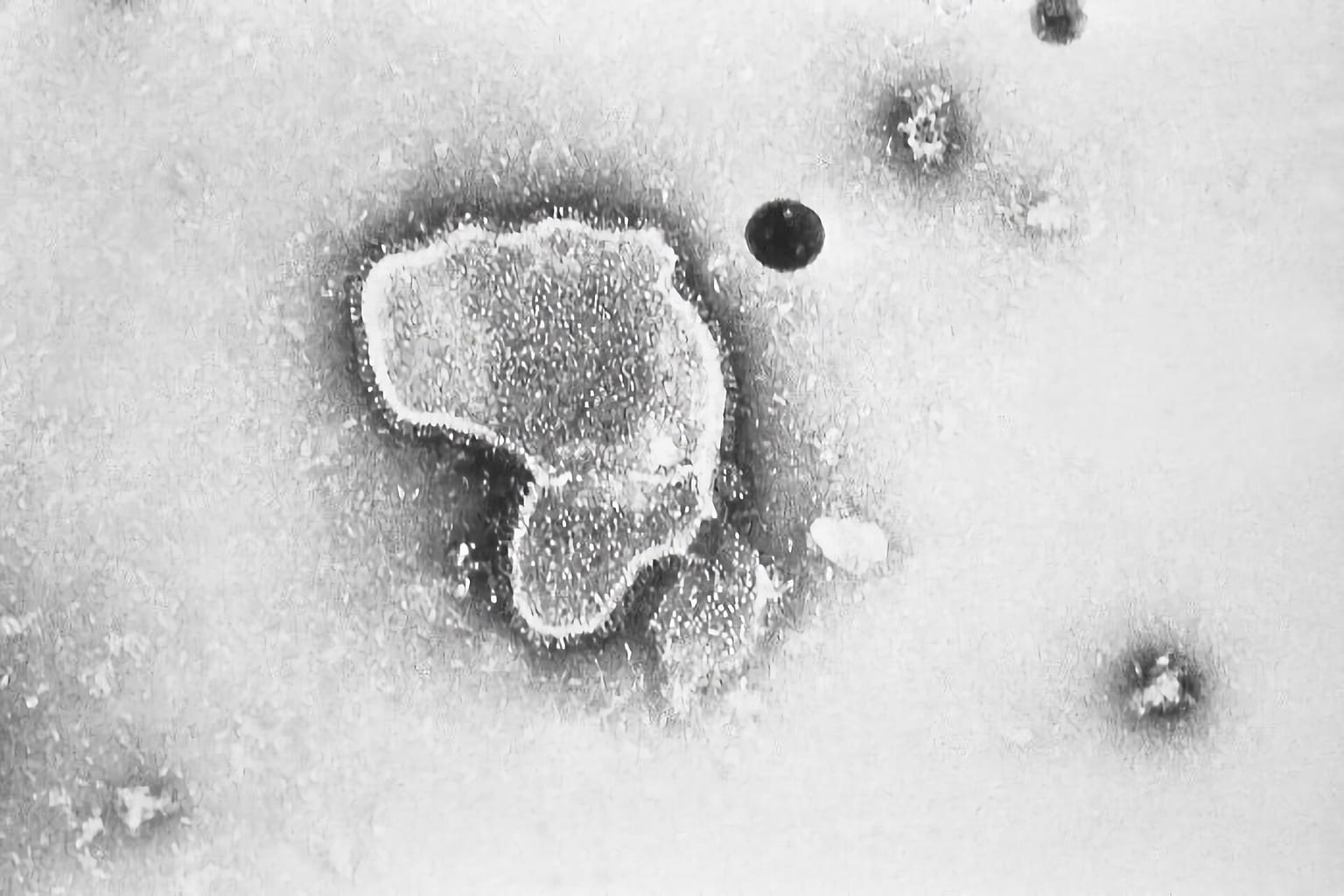
Human cells already carry a defense against viruses, and during an infection it is switched on only weakly. At Washington State University, a team led by Santanu Bose, a professor at the College of Veterinary Medicine, found how to turn that defense up. In their study, published in Cell Communication and Signaling, the researchers showed that adding more of the signal made cells significantly more resistant to infection by respiratory syncytial virus, or RSV.
The key is a protein called ISG15. Cells make it inside themselves when they are infected, and it had also been observed outside cells, where its function was unclear. Bose's team found that this external ISG15 acts as a booster: it activates an antiviral pathway that had not been described before, preparing neighbouring cells to resist before the virus can spread. The pathway does switch on during infection, but only at low levels. When the team added a lab-made version of the protein, the cells were far more protected. Graduate students Lindsay Grace Miller and Sudiksha Pandit, with Fulbright postdoctoral scholar Kim Lam Chiok, led much of the work in Bose's laboratory.
What sets the approach apart is its target. Most antiviral drugs attack the virus directly. This one strengthens the cell's own defenses, and Bose says it may be less vulnerable to the mutations that let viruses slip past treatments. In his words, "We're helping cells activate their own protective machinery." The team also reports unpublished results from its lab showing the same antiviral effect against influenza A and parainfluenza viruses.
The pathway may reach beyond infection too. The cellular processes it influences could matter for cancer and neurological disorders, and the researchers are now checking whether the same boost works in noninfectious settings. Those are open questions, not results.
For now, the gain belongs to research, not to patients. The people most exposed to RSV, the infants, older adults and people with weakened immune systems the study names, are the ones for whom this work matters most. But the study gives no date for a treatment and reports no test in animals or people. The method is still under development, and WSU has an active option to license it to a biotechnology company to explore further development. The next proof is whether the effect holds beyond cells grown in the lab.
Comments
Loading the thread…
Sign in to leave a comment. Sign in