Brazil's Sirius lets scientists watch solar cells at work
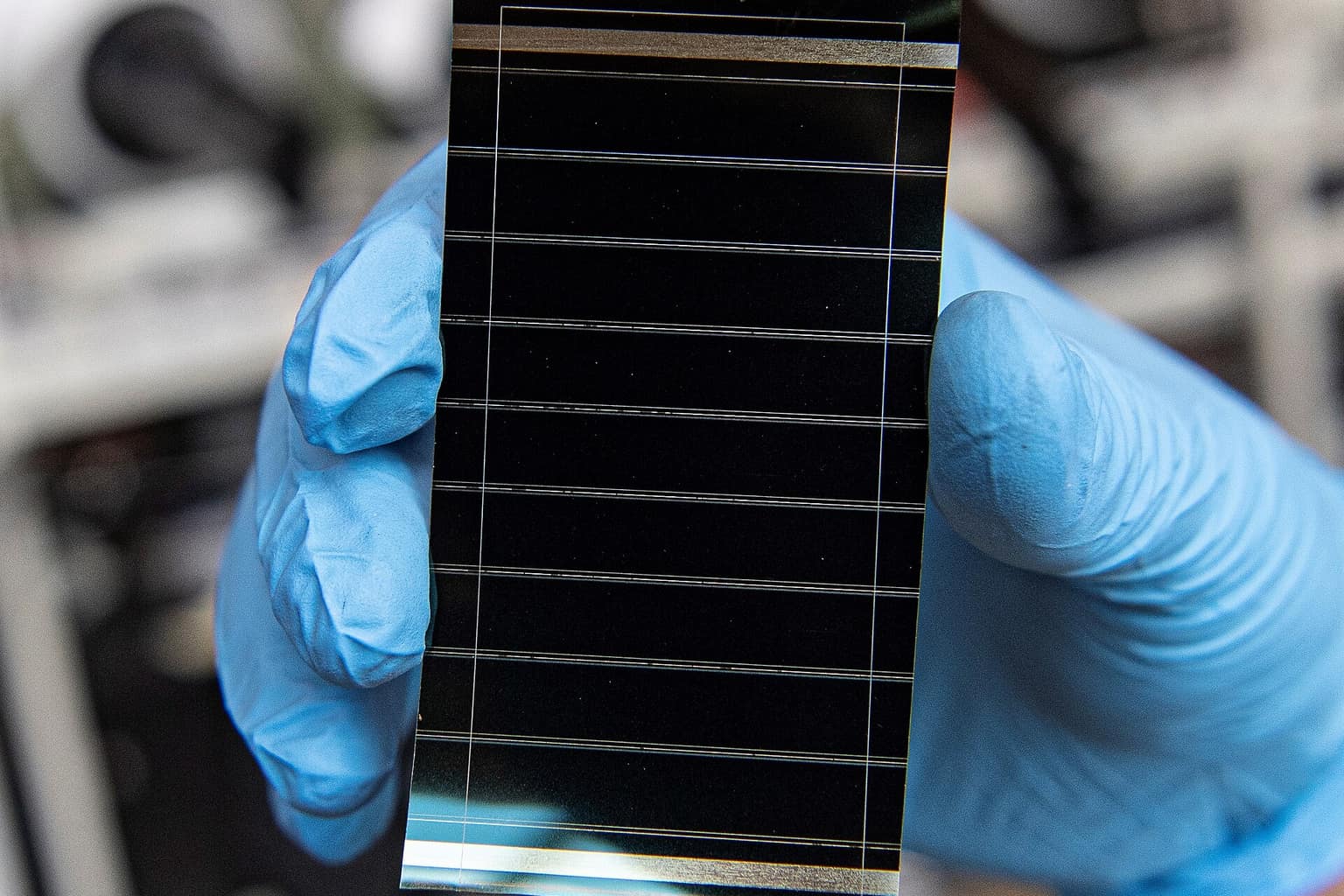
A solar cell can now be watched while it works. At the Brazilian Center for Research in Energy and Materials (CNPEM), in Campinas, São Paulo state, scientists have built an instrument for the Sirius particle accelerator that looks inside a cell at the nanoscale while it generates electricity. Until now, most studies examined isolated components in the lab.
The new platform tests the whole device under conditions close to a normal day: light, heat and humidity, applied while the cell produces current. X-rays are the key. Their penetrating power lets the team examine the different layers of the device with minimal sample preparation, which reduces the risk that the preparation itself alters what is being observed. The platform was designed mainly for perovskite cells, and the team can measure efficiency while changing temperature and humidity, and read the chemical composition, atomic structure and electronic structure at the same time.
The hardest part was heat. Each heating cycle expands the sample, and repeated X-ray exposure can displace it. The X-ray beam is about 200 nanometers wide, hundreds of times thinner than a human hair, so even a tiny shift moves the target out of view. The solution starts with a chip: a glass substrate coated with indium tin oxide, on which the perovskite is built. On the other side sit two thin platinum circuits, one that heats and one that measures temperature through its electrical resistance. Heating is concentrated in an area of 3 by 3 millimeters. A titanium alloy with low thermal expansion and flexible elements hold the glass without cracking it, and the holder is thermally decoupled from the mechanism that moves the sample. In infrared tests at 150 °C, the temperature varied by only 0.85 °C across that area. Szostak says that, as far as the team knows after reviewing the literature, the holder likely offers the best positional stability reported so far.
Perovskite cells have been in development for about 15 to 20 years, Szostak notes, and companies are already launching commercial products based on them. Several questions remain open, above all stability. Szostak is clear that the platform is a research tool, not a verdict on any product: its measurements come from the team's own experimental setup.
For researchers and manufacturers, the immediate change is a way to connect what a whole cell does under real conditions with what happens in its material at the nanoscale. The team presents the platform as a tool for optimizing emerging solar technologies, with the aim of cheaper, more efficient and more durable solar energy.
Sources — read the originals(Paris time)
Read next
Comments
Loading the thread…
Sign in to leave a comment. Sign in