Fraunhofer develops a device to time biogas power to prices
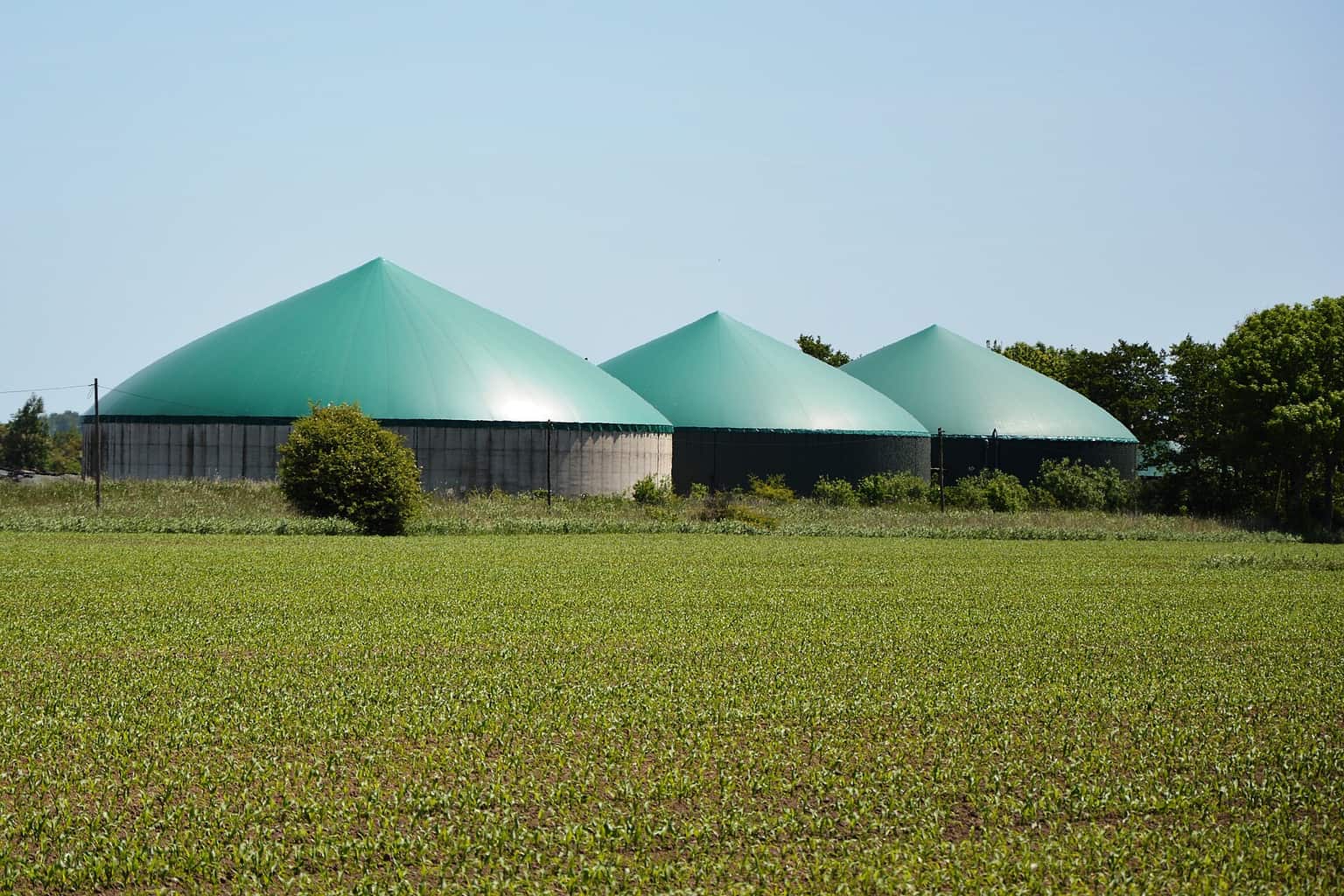
At a German biogas plant, a temperature reading of "40 degrees" means little on its own. It matters which tank it came from, what setpoint applies there, whether the pump beside it is running and whether the plant is in automatic or manual mode. Fraunhofer IGB has developed a way to put those pieces of information side by side, and to use them to decide when a plant should generate power.
Germany counts nearly 10,000 biogas plants in operation, and they are regarded as the third pillar of renewable electricity after solar and wind. Biogas output does not depend on the weather and can be scheduled. The planned amendment to the Renewable Energy Sources Act (EEG) for 2027 would make that flexibility the point: plants would supply electricity mainly when solar and wind generation is low, and the number of operating hours eligible for remuneration would be limited.
The central element is an Edge Device, an industrial computer installed on site that adds a data layer next to the programmable logic controller (PLC), the unit that runs the plant. It retrieves process and operational data from the PLC, keeps them for long periods and arranges them in a consistent structure that links current measurements, historical trends and operating states. Electricity price and weather forecasts can be integrated. Processing stays on site, and operators decide which data, if any, leave the plant. Several applications can share this foundation: price and gas production forecasts, soft sensors, energy optimization and predictive maintenance.
For the operator, the practical effect is a schedule. The model weighs expected gas production, the gas storage level, the available combined heat and power (CHP) capacity and the technical limits of the plant, then proposes when biogas should be stored and when the CHP unit should run. Laug stresses that a high expected price is not enough on its own, since sufficient gas must be available and the plant must be able to run as planned. Expanding storage would pay off for only some older plants, so for most operators the scheduling of existing gas is the lever that remains.
For the nearly 10,000 operators, the gain is a plant that earns from the hours it is paid for, and the 2027 timetable gives them a deadline to prepare. The announcement does not report field results, prices or a rollout schedule for the Edge Device, and the value of the schedule depends on the quality of the price forecasts it uses. Those are the points to check when the first installations are reported.
Sources — read the originals(Paris time)
Read next
Comments
Loading the thread…
Sign in to leave a comment. Sign in