Hospital ultrasound spots coral eggs without cutting, in tanks
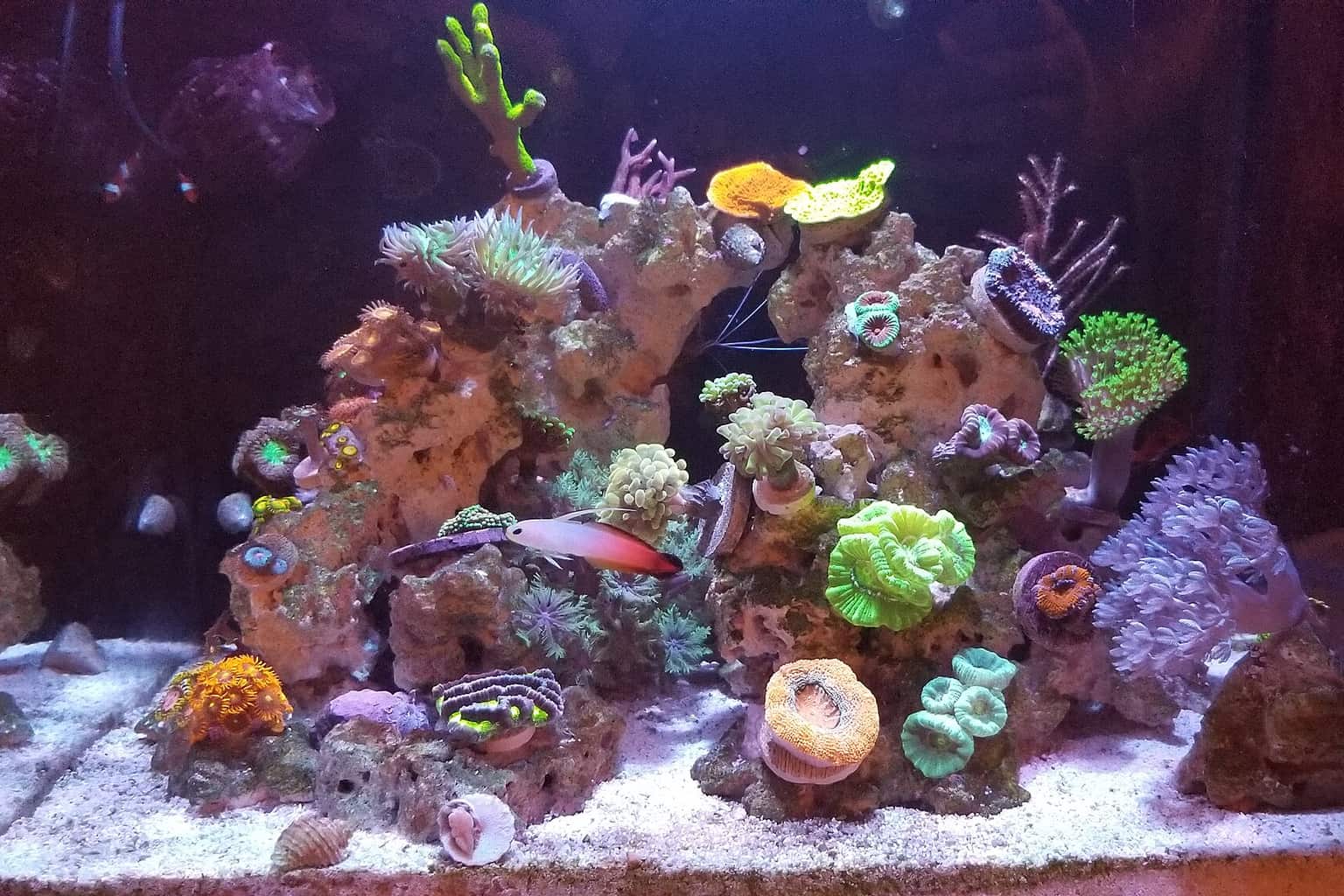
In aquarium tanks, Sally Davey, a sonographer at Canon Medical Systems UK, prepares a hospital scanner for a very unusual patient: a coral. The Aplio i700's high- and ultra-high-frequency probes, coated in gel and wrapped in a protective sheath, scanned six species of large polyp stony (LPS) coral from Australia, the Caribbean and Indonesia, fully submerged. The scanner showed eggs developing inside the living coral, a first that Canon presents as a world first.
Coral reefs cover just 1% of the ocean and shelter at least a quarter of all marine life. Heatwaves are bleaching them faster than many can recover, and the damage carries into reproduction: researchers at the Australian Institute of Marine Science found that a common branching coral produced 21% fewer eggs after severe bleaching in 2020. Coral eggs can be as small as 300 microns, and to count them the team had to dissect samples. For branching corals, Jamie Craggs of Coral Spawning International explains, the usual method means breaking off a branch to read its reproductive status.
The team fragmented one species, Trachyphyllia geoffroyi, and compared what appeared on the screen with macro photographs of the tissue. “I am now able to definitively verify that I can observe oocyte [egg] development in the ultrasound scans,” says Craggs. Knowing when a colony will spawn matters for restoration: growing new reefs from fragments produces clones, while breeding corals from eggs adds genetic diversity, but only if each colony is caught at the right moment.
The result is still early. Only T. geoffroyi has been checked against the cut-and-look method, and the findings have not been published in a peer-reviewed paper. The team will isolate the corals daily over the next six months and record when they release their gametes, then work back to the scan dates to see whether the scans can predict spawning.
If that holds, the benefit would reach groups raising coral babies, who could time their work without damaging the colonies they depend on. Davey sees the same approach reaching further: she says the technique “opens opportunities in fields such as minimally invasive surgery and diagnosis of dermal conditions.” For now, the next milestone is the six-month test in the tanks.
Sources — read the originals(Paris time)
Read next
Comments
Loading the thread…
Sign in to leave a comment. Sign in