In lab, a new X-ray method isolates water at material surfaces
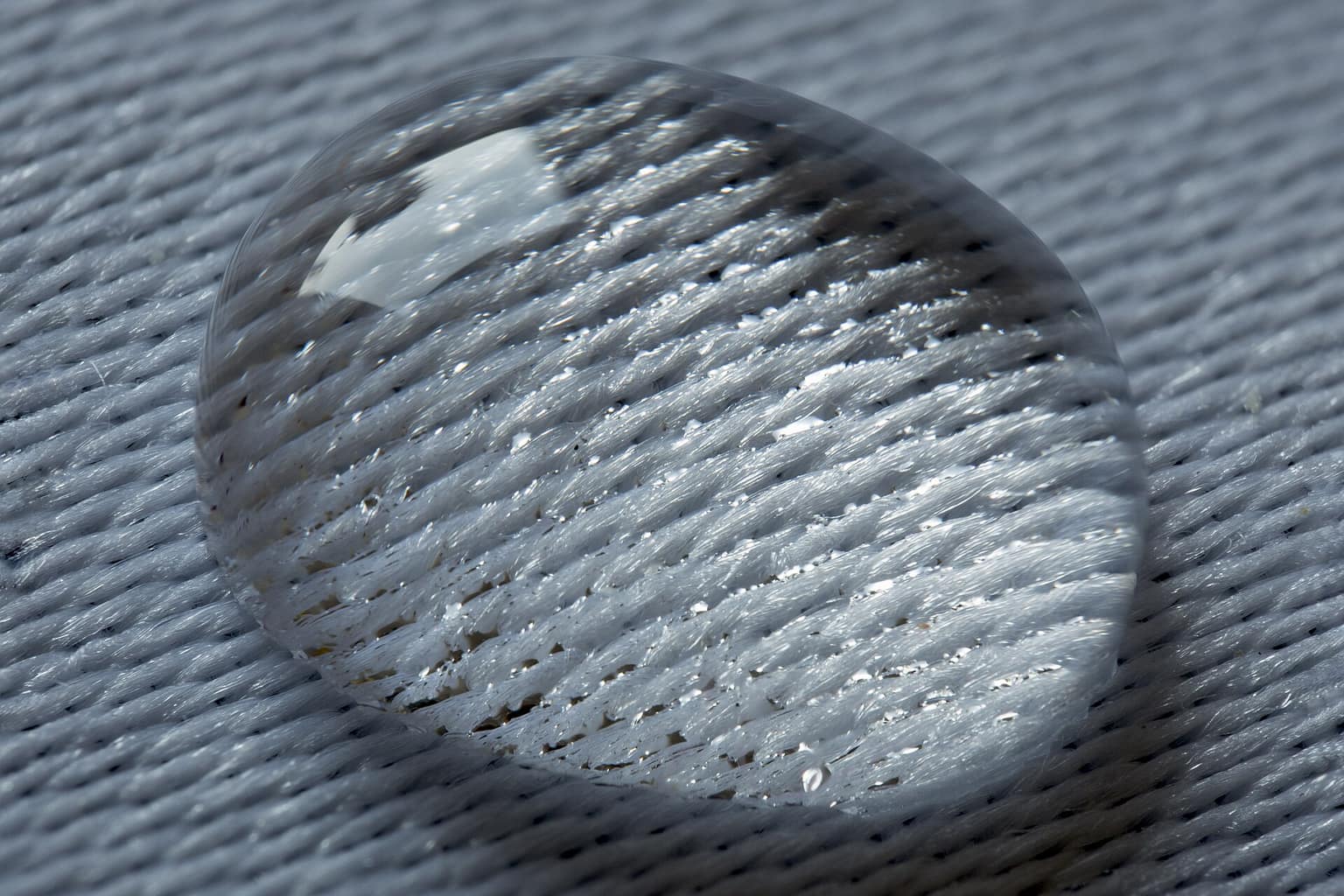
Most of the water in an X-ray measurement is the wrong water. The thin layer of molecules sitting against a solid or a membrane is what matters for many processes, but it is only a small fraction of the liquid probed, and its signal is buried under the much larger volume of ordinary liquid water around it.
The team's approach starts from a simple difference. Using a liquid sample cell, the researchers varied the thickness of the water layer that the X-rays passed through. As the layer thickens, the amount of bulk water grows, while the amount of interfacial water near the surface stays nearly constant. They recorded a series of X-ray absorption spectra at those thicknesses, then applied a data analysis technique called multivariate curve resolution–alternating least squares (MCR-ALS) to separate the contribution of each kind of water. The measurements were carried out at the UVSOR-III synchrotron radiation facility of the Institute for Molecular Science.
The method was tested on two very different interfaces. Near an oxide layer on silicon nitride, an inorganic material, the interfacial water showed distinct spectral features linked to interactions with the solid and to hydrogen bonding between water molecules. Near lipid bilayers, the double-layer structures used as models of biological membranes, the interfacial-water spectrum had a smoother profile, and the relative contribution of interfacial water was higher. The researchers read this as a sign that water next to the inorganic surface is relatively constrained, while water next to the soft, fluid membrane takes on a wider variety of hydrogen-bonding arrangements.
For materials designers and biologists, the value lies in being able to observe that layer directly rather than inferring it. The researchers say the method should also apply to polymers and other functional materials in water, and their stated next step is to study how interfacial water changes with the type and surface chemistry of each material. They also plan to combine the measurements with molecular simulations and theoretical calculations to link the X-ray spectra to specific molecular structures. For now, the results come from laboratory experiments on model surfaces, and the wider reach of the technique remains to be demonstrated.
Sources — read the originals(Paris time)
Read next
Comments
Loading the thread…
Sign in to leave a comment. Sign in