In lab, heat test tells 26 of 28 3D-printing plastics apart
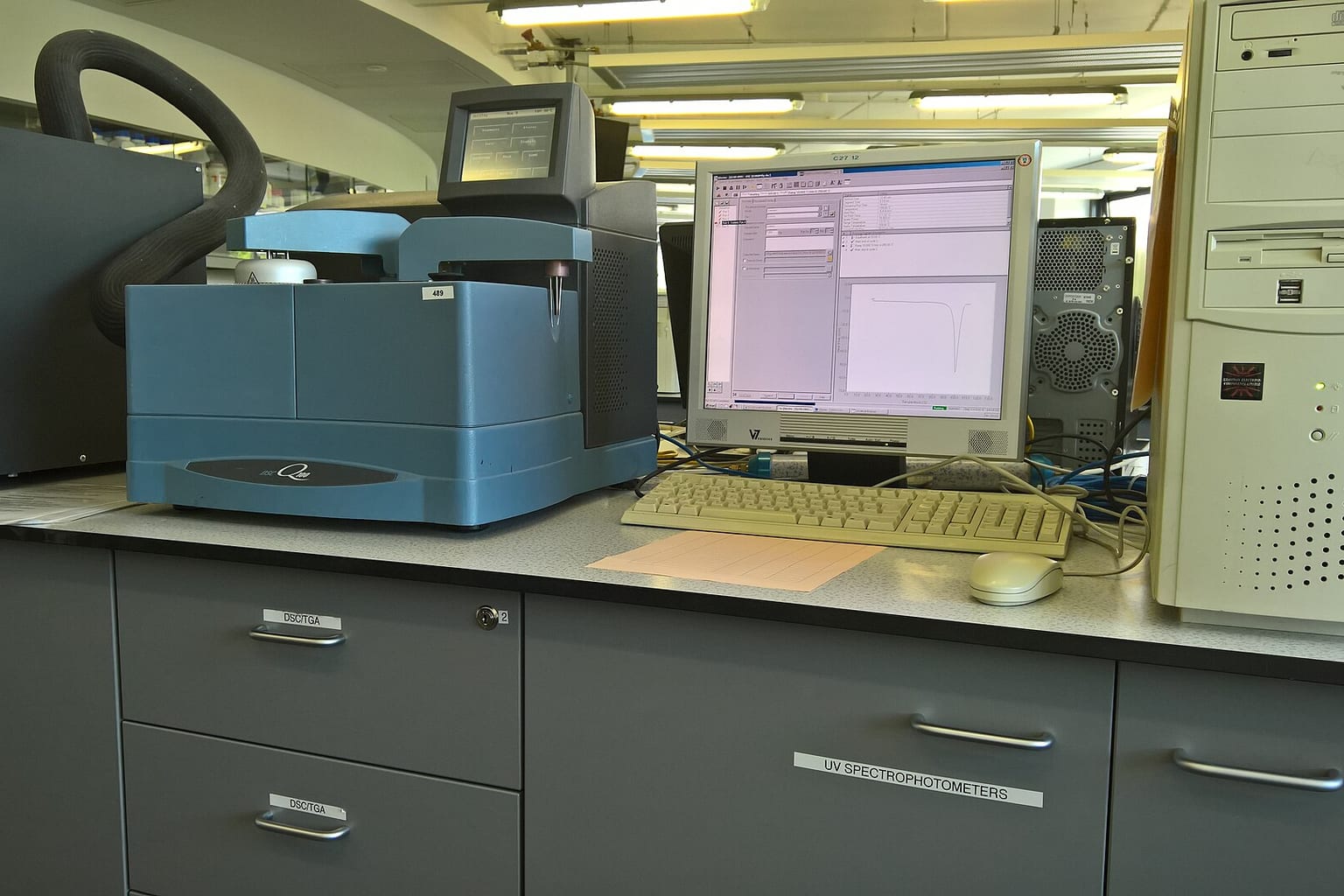
A few grams of plastic can now carry a fingerprint. In Curtin University's laboratory, the team heated samples of polylactic acid, or PLA, the most common plastic used in home 3D printers, and recorded how each one changed as the temperature rose. That technique, differential scanning calorimetry, is a standard tool in materials science. Here it was turned on a question police face more and more often: where did this plastic come from?
The stakes are practical. Privately printed firearms have no serial number and no registration record, and a fired round from a plastic gun often lacks the marks on bullets that investigators use to link weapons to crimes. Law enforcement has taken to calling them 'ghost guns'. Until now, the plastic itself offered few clues. The study shows that it can: 26 of 28 PLA filament samples were told apart by their thermal properties, including some filaments of the same colour made by different brands.
The method had a catch. Printing heats and cools the plastic, which changes its thermal history, so a printed object first behaved differently from the filament it came from. The researchers solved this by giving both the printed sample and the raw filament the same controlled heating and cooling treatment. Once that was done, the printed samples matched their corresponding filament. Dr. Kari Pitts, a senior forensic scientist at ChemCentre, said the approach gives laboratories another avenue when a printed firearm and its printing materials are seized, or when investigators want to connect weapons recovered in separate cases.
What changes for investigators is a new line of evidence, not a finished tool. Dr. Sauzier was explicit that the work does not yet identify where every printed firearm originated, and that its reliability across the full range of materials and conditions is still unknown. The team's next step is to test a much wider set of samples, including printed material exposed to soil or water. If those tests hold, forensic labs could gain a way to extract information from weapons made specifically to be hard to trace. No date for that work has been announced.
Sources — read the originals(Paris time)
Read next
Comments
Loading the thread…
Sign in to leave a comment. Sign in