Lab study: protein CD46 keeps immune T cells alive, clues on HIV
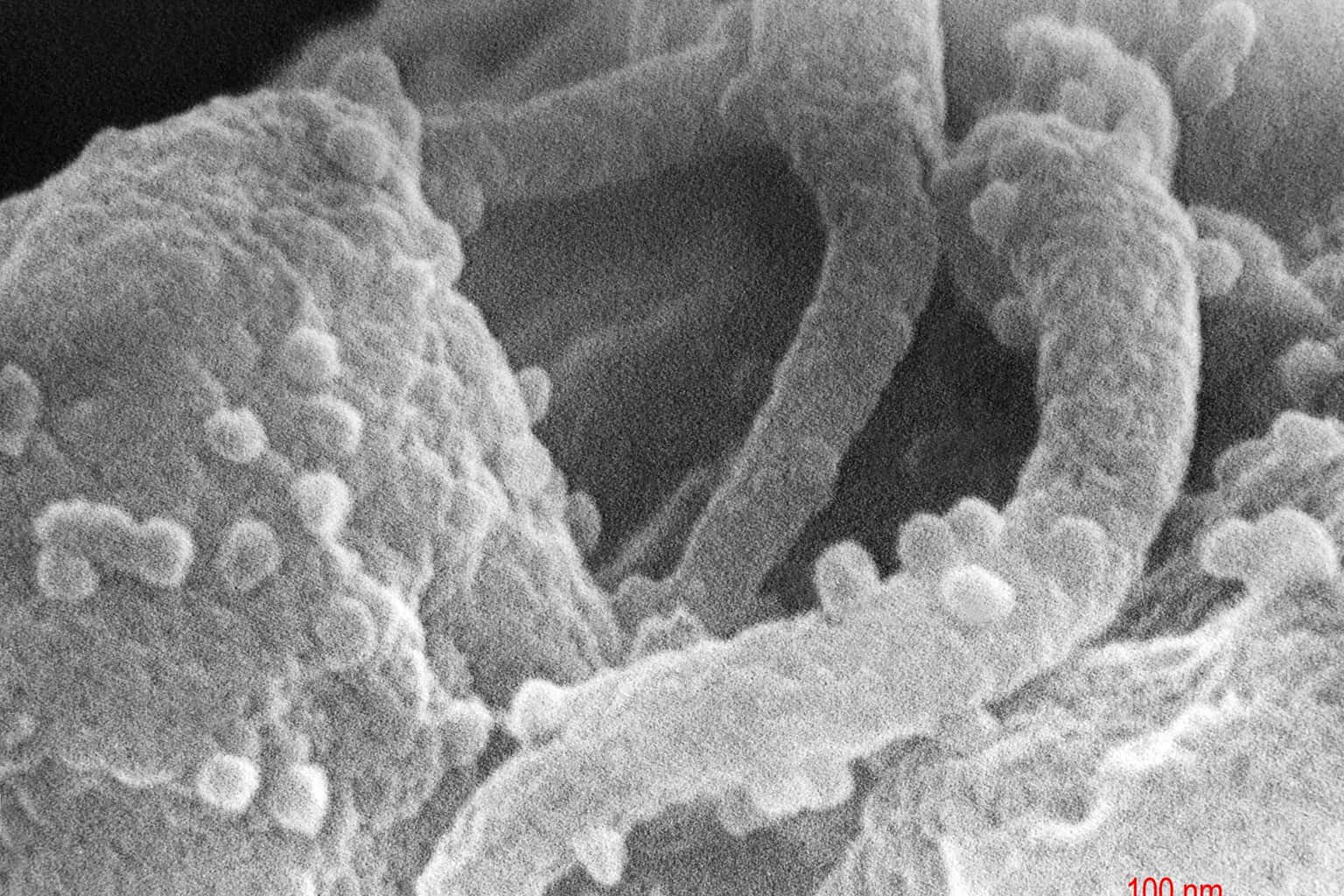
A team at Purdue University and the National Heart, Lung, and Blood Institute (NHLBI) has followed a protein that sits on most human cells. The protein is CD46, a part of the complement system, the body's oldest and fastest immune defense. Its results appear in Science Immunology, with Majid Kazemian of Purdue and Claudia Kemper of the NHLBI as co-leaders.
CD46 has long been known as a doorway. Several bacteria and viruses, including those that cause respiratory illnesses and HIV, use it to attach to or enter host cells. The new study looks at what CD46 does once it is inside the signaling network of T cells, the immune cells that coordinate the body's response. The team found that signals from CD46 switch genes on or off in those cells, controlling how they function. Kemper said the team already knew CD46 helps activated T cells get the nutrients they need. What surprised them was that CD46 also works as a safety switch: without it, naive T cells, which have not yet encountered a pathogen, die through normal programmed cell death, and so cannot mount a proper response to infection.
The HIV link came from the biology itself. Kazemian said the team was not initially studying HIV, but the unexpected role of CD46 led there, since HIV relies on some of the same cellular machinery that CD46 controls. In infected human T cells, the researchers found that gene activity resembles patterns seen in people who keep low levels of HIV despite antiretroviral therapy. The authors suggest CD46 may influence how T cells retain potentially active virus that could give rise to a new infection. Kazemian called this “an intriguing hypothesis that needs to be tested in further studies.”
The study also gives a molecular explanation for effects seen in earlier work. Kazemian and colleagues at the National Institutes of Health have studied complement biology together for about a decade, including its role in autoimmunity, infections and the response to the virus behind COVID-19. The new paper identifies how CD46 communicates directly with the machinery that controls the production of RNA and proteins, through a factor called Sp1. The researchers combined several complementary technologies, a choice Kazemian said gave them “much greater confidence in the mechanism we identified.”
For now, the immediate beneficiaries are researchers. The authors say a better understanding of the CD46 pathway could help develop new therapies for immune deficiencies, infectious diseases and inflammatory disorders, all conditions linked to disturbed T-cell function. Whether that leads to treatments for HIV is not established: the study is laboratory work, and the authors give no timeline for further steps or for clinical use.
Comments
Loading the thread…
Sign in to leave a comment. Sign in