Reanalyzed 1976 Viking 2 signal may be a marsquake
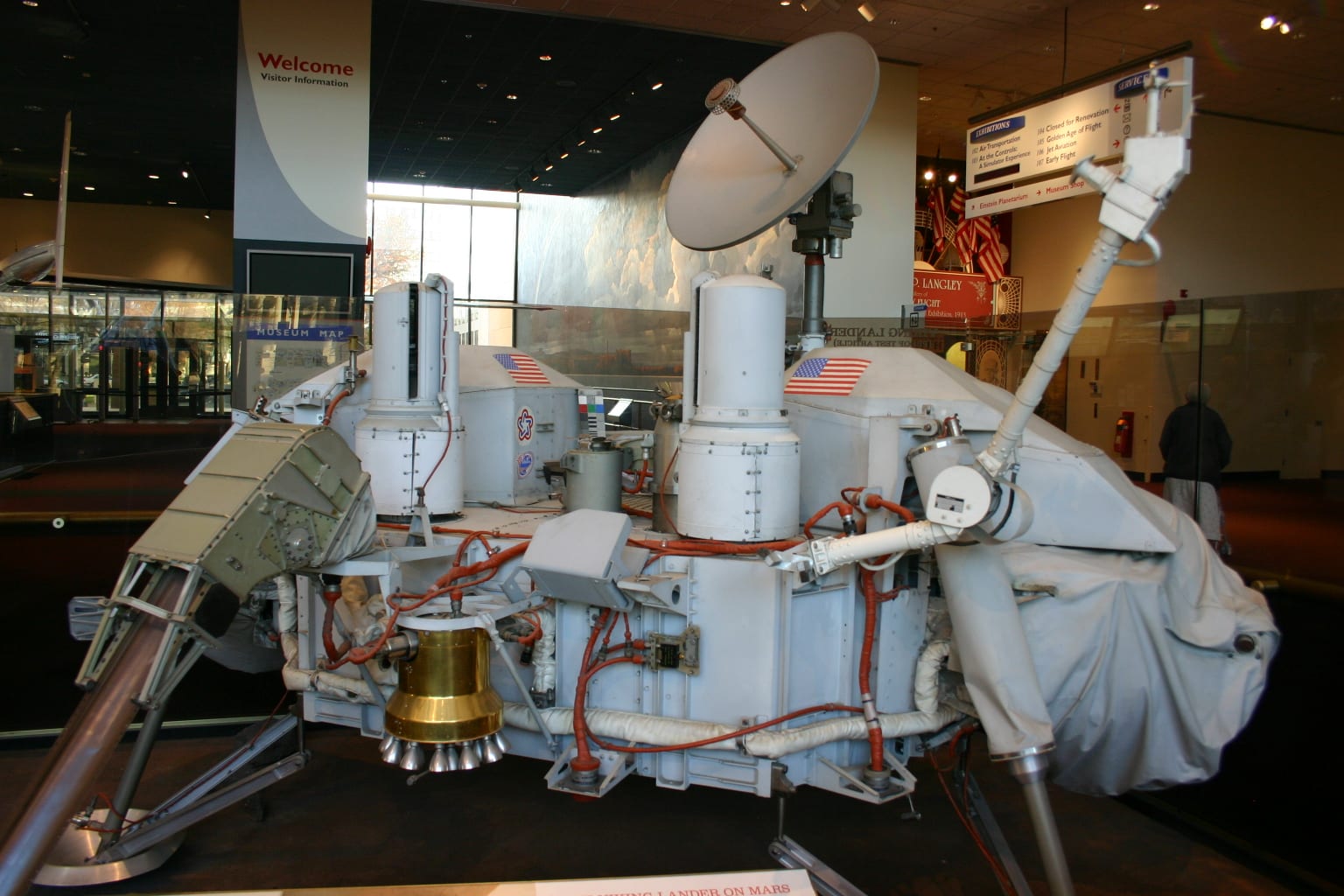
On Mars in 1976, the Viking 2 lander sat on the surface with a seismometer bolted to its deck, listening for the ground to shake. It recorded only two ambiguous events. Nearly 50 years later, a team led by Wanbo Xiao went back to those two signals and found that one of them may have been a marsquake, an earthquake on Mars.
Seismometers are instruments that measure ground vibrations, and on Earth they are among the best tools for probing the interior of the planet. Scientists placed them on the Apollo missions to the Moon, where they worked well. Viking's results were less clear. The seismometer on Viking 1 failed to deploy properly, and the one on Viking 2 recorded just two events that could not be told apart from noise. Because it sat on the lander's deck instead of the ground, it picked up a lot of wind, and whether either event was a true quake or simply wind has remained uncertain.
The new work compared the old recordings with data from NASA's InSight lander, which operated on the Martian surface between 2018 and 2022. InSight's seismometer was placed directly on the ground, and it later detected more than 1,300 seismic events. The authors showed that one Viking 2 event could have come from the same region where InSight recorded a swarm of nearly 1,000 marsquakes. The findings appear in the journal AGU Advances. The second Viking event is still unresolved, and the authors cannot confirm the older signal as a quake.
For planetary scientists, the value lies in what the region reveals. Seismology can map a planet's internal structure and tectonic activity, which in turn helps reconstruct the history that shaped whether Mars could have been habitable. If one Viking event was indeed a quake from the area InSight later studied, the same patch of Mars was seismically active both in the Viking era and nearly 50 years later. For researchers who work with the InSight data, an old record that was dismissed as noise becomes a second point in the same record. Neither the paper's summary nor the report of the study names a next measurement or mission to test the idea.
Sources — read the originals(Paris time)
Read next
Comments
Loading the thread…
Sign in to leave a comment. Sign in