VR passwords built on directions are easier to recall than PINs
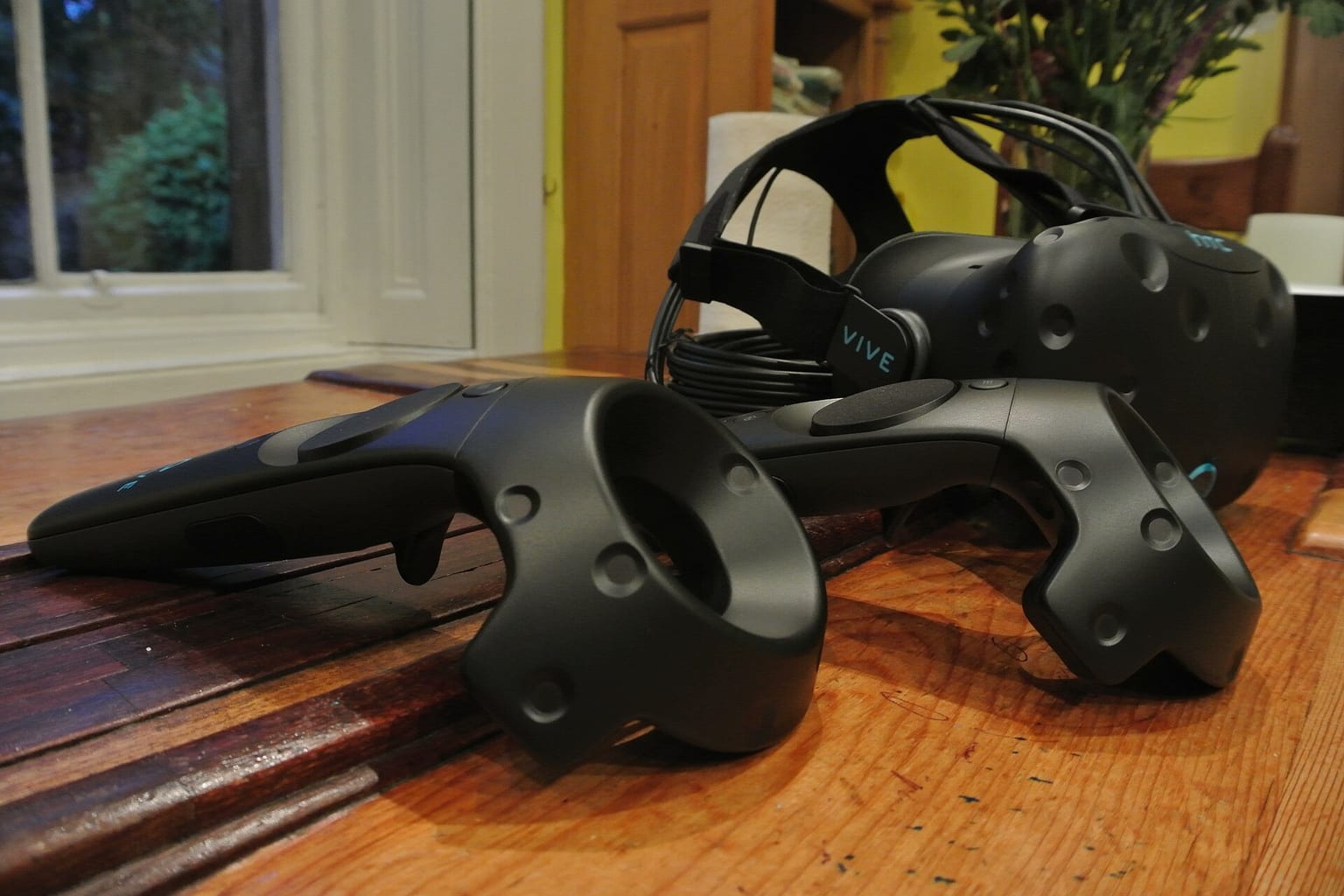
Six scenes, one after another, and a user who picks a spot in each. That is the whole login for a new VR authentication method, and it is the reason participants remembered their passwords better than people who typed a six-digit code.
The method is called Adaptive Direction-Based Authentication, or ADBA. It places the user in six 360-degree environments. In each, the user selects one of 10 directions, and each direction corresponds to a number. A password built this way offers the same number of combinations as a six-digit numeric code. Qiao (Georgie) Jin, an assistant professor of computer science at North Carolina State University, puts the trick simply: "each spot secretly maps to a random digit, so you can't pick something weak like 123456."
The password works two ways. At login, users can choose the directions in the six scenes, which is the memorable route, or type the six digits, which is faster. Once the user knows the password well, the scenes can be skipped altogether. Jin's team, the Extended Horizon Lab at NC State, describes the design as putting memorability first and letting speed come later.
The researchers tested it with 66 participants aged 18 to 74, divided into three groups: ADBA, a conventional six-digit password, and a randomly assigned six-digit password. The tests ran remotely, so people logged in from their everyday setting, which the team considers important for user research. ADBA users recalled their passwords better, and they also said the password was easier to remember. The ADBA login took about five times longer than a PIN. Even so, the other groups forgot their passwords or needed several attempts more often, and participants in the ADBA group rated their method as more efficient. None of them switched to the digit option.
The study also shows that the choice of scenes matters. Huang explains that an environment needs enough visual detail for people to remember a direction, but it must stay uniform enough that someone watching cannot guess which direction the user will pick. For VR services that need secure logins, the method offers a way to keep six-digit security without asking users to memorise a bare number. The paper, "Context or Digits? Balancing Memorability and Efficiency in Virtual Reality Authentication", will be presented at VRST in Sendai, Japan, from November 16 to 18, and it is already available as an arXiv preprint.
Sources — read the originals(Paris time)
Read next
Comments
Loading the thread…
Sign in to leave a comment. Sign in