Zambia's installed solar capacity passes 1 GW
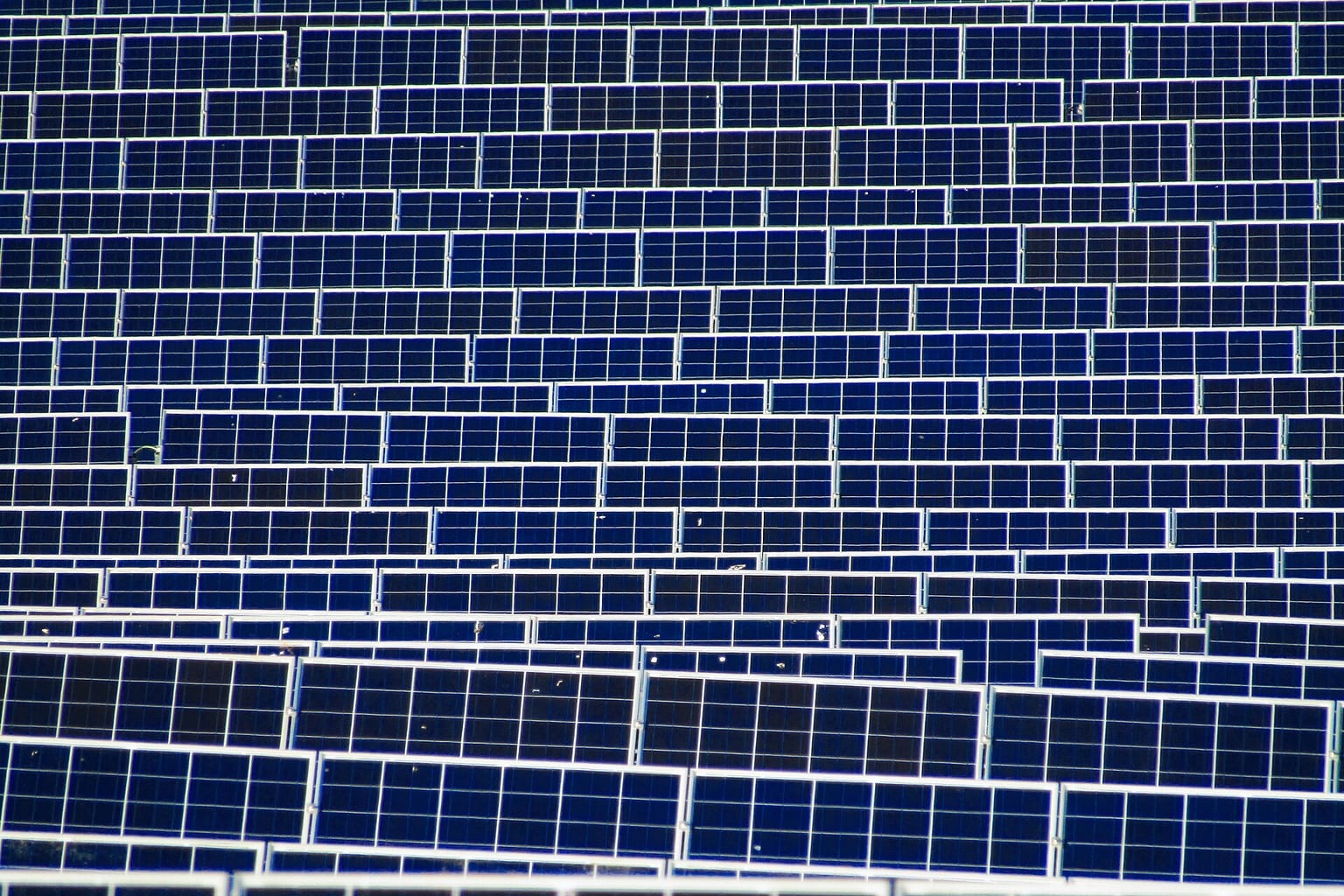
Drought drained major reservoirs in Zambia and brought severe load shedding, the rotating power cuts a grid imposes when supply falls short of demand. The country's solar figures now point the other way: the Ministry of Energy says installed solar capacity has passed 1 GW, reaching 1,027 MW in early October, up from 841 MW in early September.
The government links the wider expansion of generation to that drought. Permanent Secretary Ephraim Munshifwa, speaking at the opening of the 2026 Energy Week Exhibitions in Kabwe, said investments and strategic reforms were meant to secure long-term energy supply, and that the national grid now meets the demand of households and industries. Ministry figures put solar capacity at 178 MW in 2024. Since then, the 100 MW Maamba project, built by a subsidiary of the Indian conglomerate Nava Limited, has come online, along with the 136 MW Itimpi II PV plant. In July, the state-owned utility ZESCO doubled its Chisamba solar plant, from 100 MW to 200 MW. The ministry also cites market liberalisation, which makes Zambia one of the most attractive markets for private renewable developers.
The figures measure different things. The ministry's total covers grid-connected utility-scale plants and installations under the net-metering scheme, which stood at around 30 MW in September. The Africa Solar Industry Association (AFSIA) tracks a higher total: 1,336 MW of operational solar projects in Zambia, of which 538 MW are commercial and industrial, and a further 1,619.7 MW under construction. The published figures do not reconcile the two counts.
For households and industries, the first change is already in place, since the grid now meets their demand according to the ministry. The next stage is the target. Installed electricity generation stands at 4,722 MW, a 52.3% increase since 2021, and the government aims for 10 GW by 2031. Acting Minister of Energy Situmbeko Musokotwane told the Energy Forum for Africa Conference in Lusaka that Zambia has “several energy projects at different stages of development” and is confident the target will be reached through partnerships.
The statements leave gaps. No split of the 10 GW goal between solar and other technologies is given, and the partnerships are not named. The 2031 date is the only timeline on the record.
Comments
Loading the thread…
Sign in to leave a comment. Sign in