A hand-cranked washer needing no power reaches 105,000 people
In a small village in South India, a neighbor named Divya spent up to 20 hours a week washing clothes by hand. When Navjot Sawhney, a trained aerospace engineer who had worked for Dyson in the UK, offered to buy her an electric washing machine, she explained that she had no dependable electricity, no back-up generator and not even enough water for such a unit to function. His answer was a machine with no motor at all, and he named it after her.
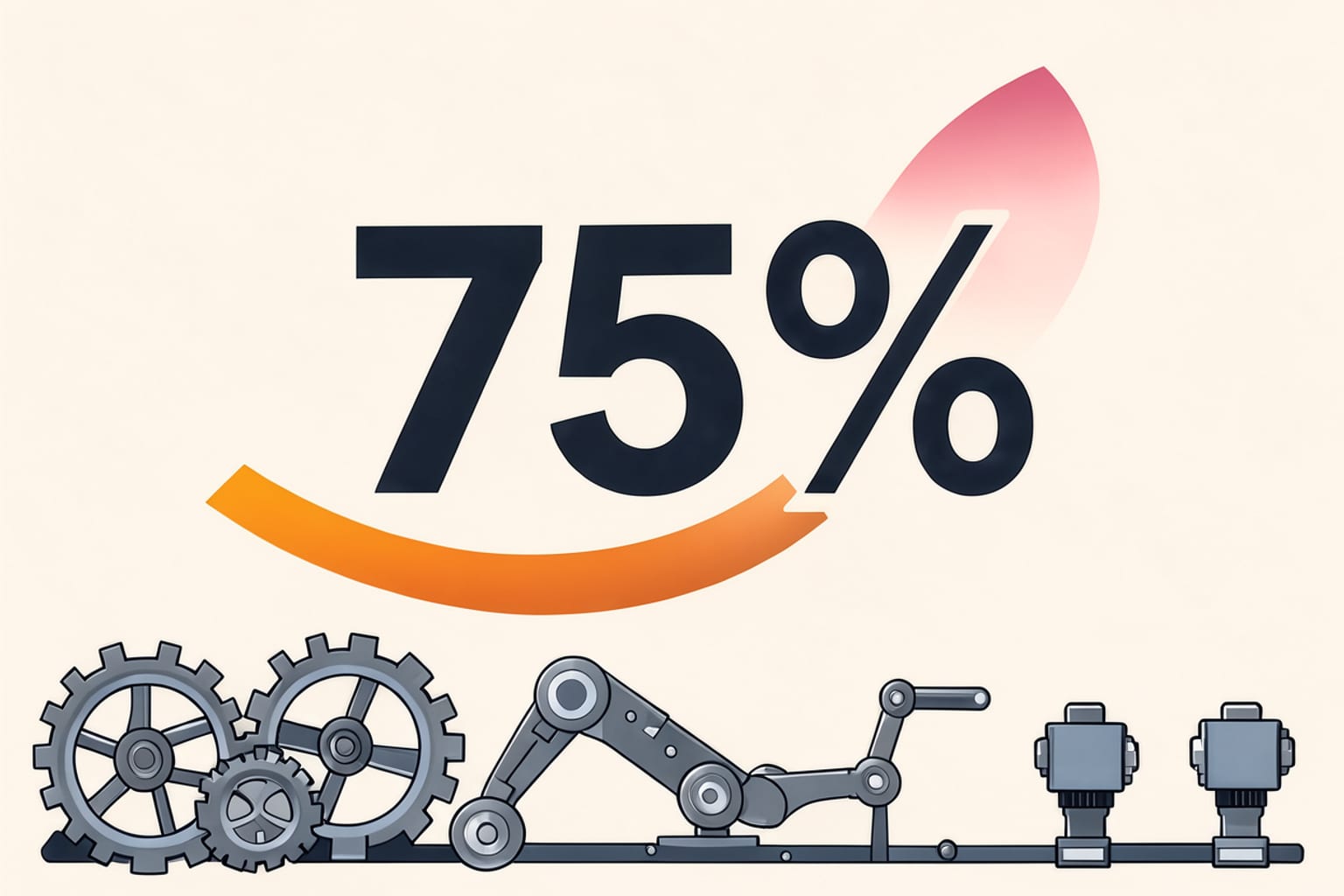
The Divya, built by his company The Washing Machine Project in India, is a hand-cranked washing drum. It holds up to 7 kg (15.4 lb) of clothing and uses 30 L (7.93 US gallons) of water. It arrives partly assembled in a single box, and a user can take it apart with only two tools. According to the company, it cuts labor time compared with manual washing by 75% and reduces water use by 50%, and it will work for at least five to 10 years. These figures come from the company itself.
The problem it targets is measured in hours. A 2025 Centre for Global Development study across 50 countries found that women spend an average of 29.92 hours weekly on domestic work as a primary activity, while men spend 9.78. That time has a cost: less income, less pension security, and for daughters, less schooling, because they often take on the housework. A tool that is dependable, easy to repair and inexpensive does not solve these problems on its own, but it can return hours to the people who spend them on laundry.
For families outside reliable electricity networks, the change is already under way. The Washing Machine Project says it has reached 105,000 people in Iraq, Lebanon, Mexico, Uganda and the US, and it plans to reach a million users by 2030 through development partners such as UNHCR, Oxfam and Plan International. In humanitarian programs the machine is given free to end users, and partner organizations buy machines for their own programs. The company sets no retail price for households. The million-user goal is a plan, and no result has been announced yet.
Sawhney has chosen to keep the design self-contained rather than pedal-driven. "We wanted an electricity-free machine that remains self-contained and portable," he says. The next work is on the Divya itself, with "a built-in scrub surface, a wider opening for bulky laundry, faster drainage, and more durable wheels". The company is also developing local manufacture, maintenance and shared-access models in India, so that the benefit lasts beyond the delivery of a machine.
Comments
Loading the thread…
Sign in to leave a comment. Sign in