Blocking one enzyme restores brain growth in mice with Angelman
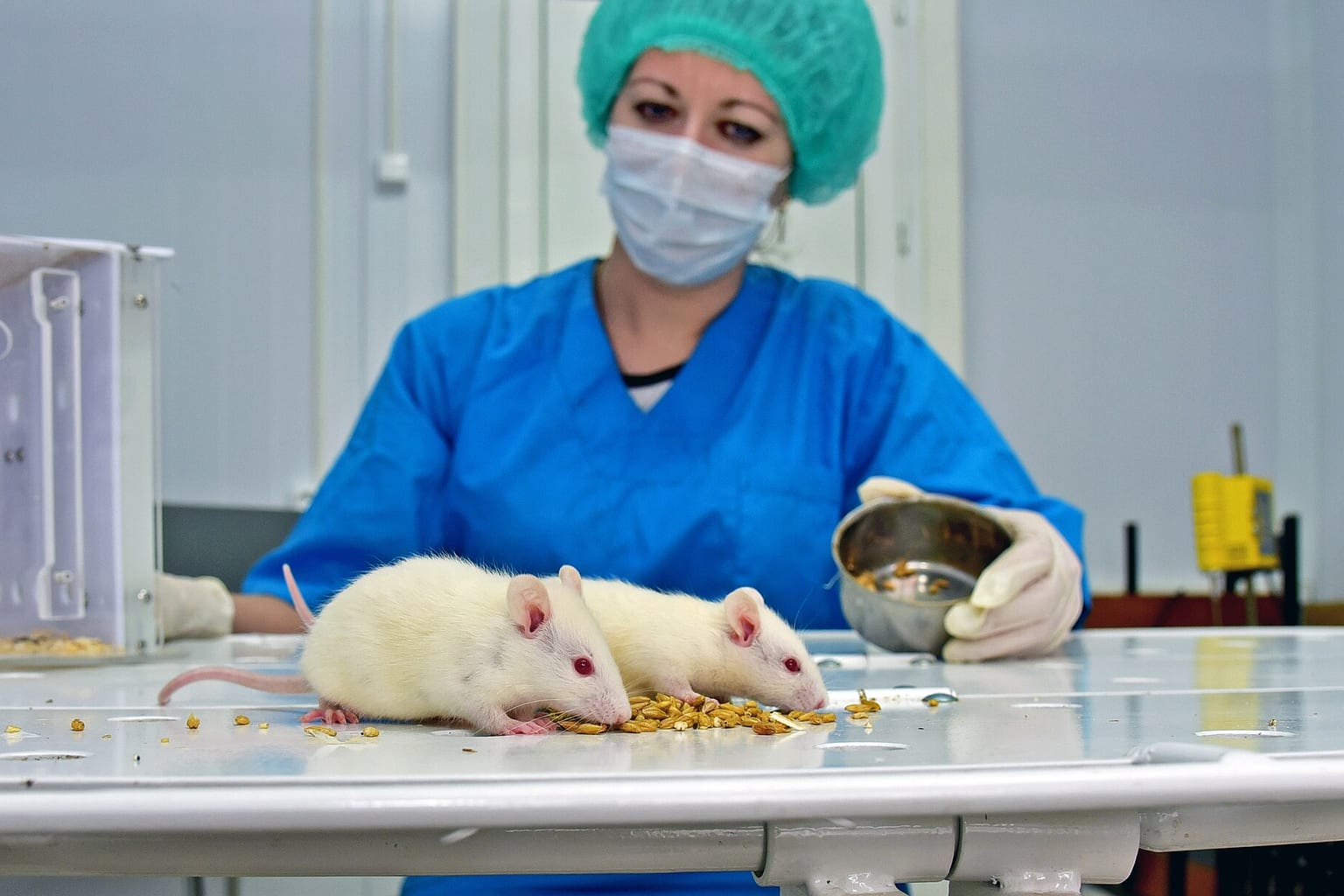
A missing gene is supposed to explain everything in Angelman syndrome, and yet nobody could say why its absence slows the brain. In mice engineered to develop the condition, the brain grows too slowly, and most children with the syndrome have smaller brains than their peers. Jason Yi, an assistant professor of neuroscience at Washington University School of Medicine in St. Louis, and his team have now found the link. The study, published on Oct. 21 in Nature, shows that the missing gene sets off a chain reaction that ends with a normally harmless enzyme piling up in neurons, and that blocking that enzyme restored normal brain growth in the mice.
Angelman syndrome is a rare disease. The gene at its centre, UBE3A, normally inherited from the mother, is absent in about one in 20,000 births, and its cognitive and mobility deficits become evident around 6 months of age. The gene produces ubiquitin ligase, a housekeeping protein that marks unneeded proteins for disposal and works in about 60 different cellular processes. To find which of them mattered here, the team built modified cells in which UBE3A was switched off. They identified 23 candidate proteins that rose in its absence, and one of them, asparagine synthetase, is itself an enzyme that helps cells make the proteins they need.
The mechanism is what makes the result unusual. Raised levels of asparagine synthetase do not damage cells, and the enzyme does not interact with the usual triggers of the stress response. Yet in the mice, the excess activated the brain's stress response, which cuts protein production sharply as the brain tries to conserve resources. The brain, in Yi's words, is tricked into thinking it is under stress when it is not, so neurons do not grow normally. When the team blocked production of the enzyme, normal growth returned. The finding adds to a growing body of evidence that protein imbalances which do not directly harm cells can still lead to neurodevelopmental disorders.
For families and researchers, the gain is a target rather than a treatment. Yi said the stress response could in principle be targeted by medication, but the team has not yet tested any drug, and it still needs to map where and when in development an intervention would work. Yi also acknowledged how little is settled: the team has not identified all the functions the missing gene performs, nor how to restore them. The results are from mice, and the path to children runs through further studies that the researchers have not yet scheduled.
Comments
Loading the thread…
Sign in to leave a comment. Sign in