Fortescue sells copper cleaned of arsenic at low temperature
A batch of copper concentrate that a smelter would have marked down, or refused outright, is now sold. Fortescue, the Australian mining group, has shipped more than 40 tonnes of commercial-grade copper concentrate that went through its own arsenic-removal process, the Toowong Process, before leaving the site.
The problem it targets is old. Copper concentrate is the rock-derived powder that smelters, the plants that melt it to extract the metal, buy by the tonne. When it carries too much arsenic, buyers apply heavy discounts or simply will not take it. Miners usually deal with this by roasting the ore, cooking it at extreme temperatures to drive the arsenic off. That method burns a great deal of energy, releases heavy carbon emissions and sends water-soluble arsenic dust into the air, which is why plants must build costly containment around it.
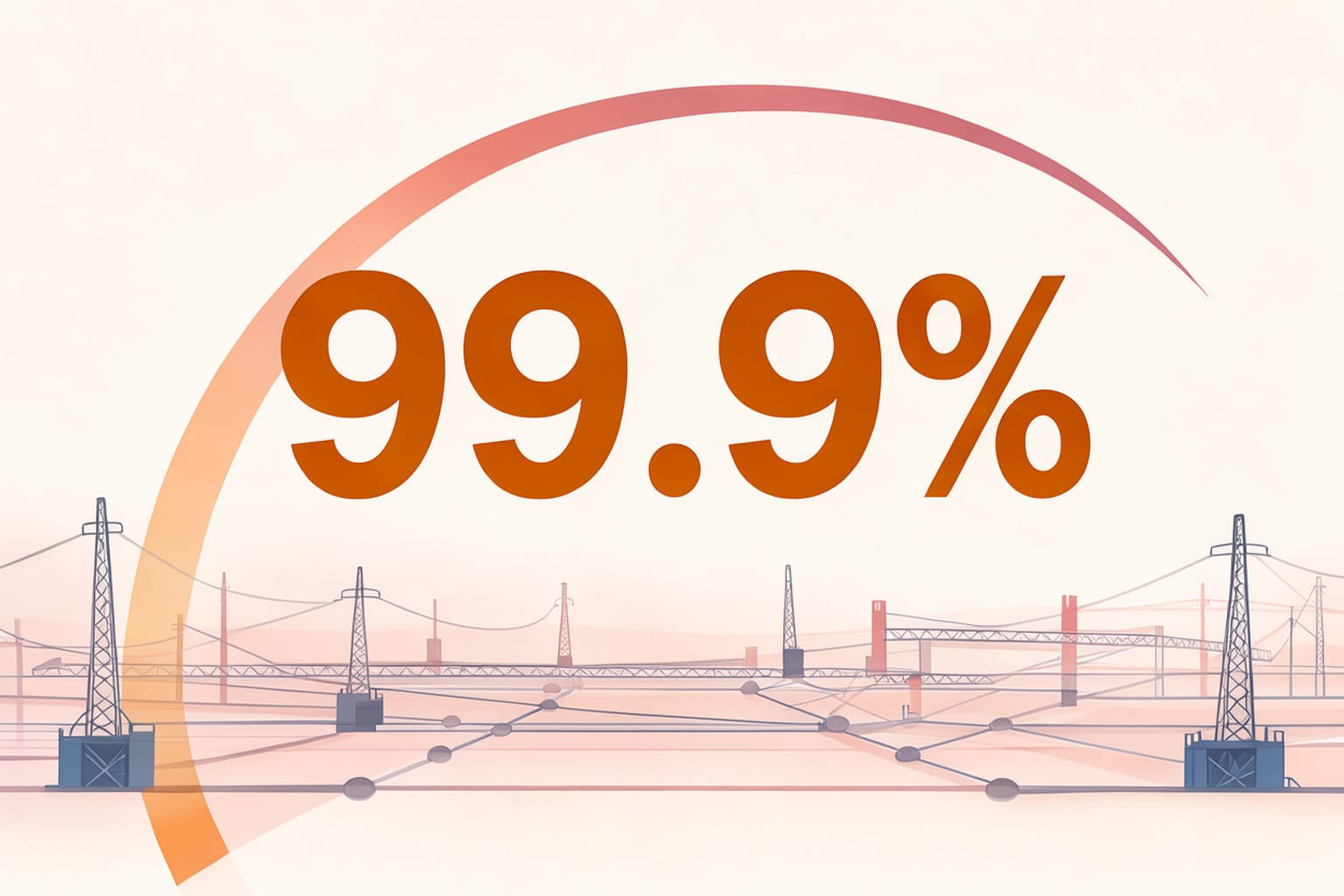
The Toowong Process works differently. It is a hydrometallurgical method, meaning it dissolves and separates the arsenic in chemical solutions at low temperature and low pressure instead of in a furnace. The arsenic ends up trapped in a chemically stable solid, while almost all the copper stays in the product. In seven trial campaigns totalling more than 3,000 operating hours at the Brisbane facility, Fortescue reports cutting feed with up to 7.0% arsenic down to under 0.25%, while recovering over 99.9% of the copper.
Those numbers come from Fortescue itself, and no independent measurement is cited in the material available. Fortescue's chief executive for growth and energy, Gus Pichot, presented the result as a way to make deposits with high arsenic content economically viable, comparing it to the company's early work on lower-grade iron ore. The first commercial sale is the evidence that buyers accept the output, but it is one sale, and the sources do not give its price or buyer.
For miners holding high-arsenic deposits, the practical change is that a deposit once penalised or unsellable could become saleable, and the furnace-based emissions and dust containment would no longer be the only route. Fortescue says it is now scaling the process for its global operations, with the Cañariaco Copper Project in Peru among the targets. The sources give no date for deployment at that site or elsewhere, so the process is still, for now, a result proven in Brisbane and on the first commercial shipment, not a method running across the industry.
Comments
Loading the thread…
Sign in to leave a comment. Sign in