Four build innovations could cut gigawatt solar costs 22% in models
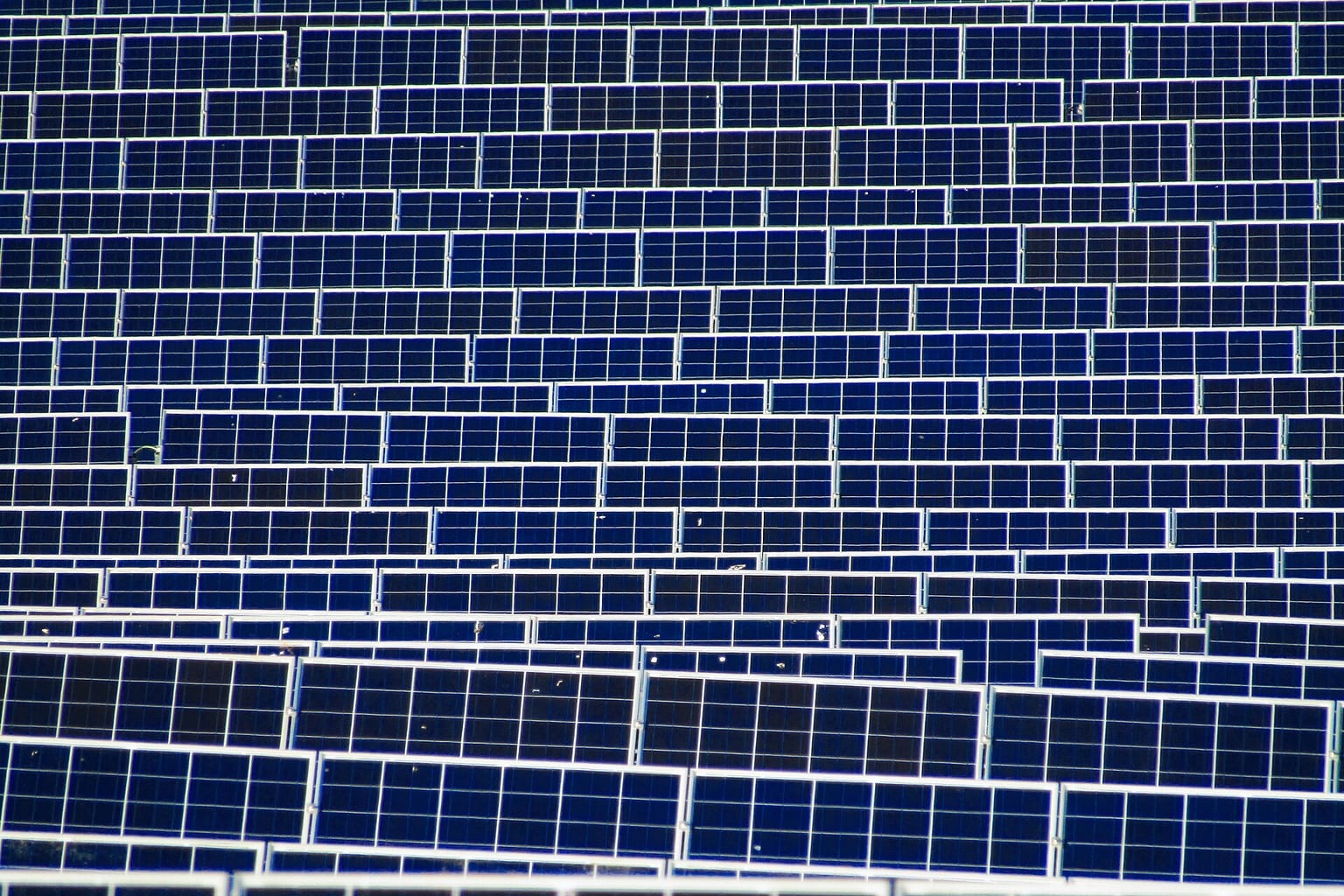
Every solar panel on a gigawatt-scale farm rests on steel piles driven into the ground, and the way those farms are built weighs heavily on what they cost. The UK-headquartered independent power producer Lightsource bp, which builds and runs solar and wind projects, now says four construction changes could cut the direct installation costs of such farms by around 22%, and their installation time by up to 30%, compared with current standard practice.
The four areas come from the first phase of its NextGen Solar Programme. The first is automated piling: GPS-guided rigs that drive the piles, replacing manual pile driving. Lightsource bp's analysis says these rigs can cut installation time by up to 12.5%, while lowering costs, improving consistency and potentially reducing the risk of injury to site workers. The second is a frameless panel design that uses steel rather than aluminium. The company is still studying that option, and says it cannot disclose the cost assessment because of confidentiality requirements. The third is press-fit, bolt-free module installation, in which panels click into position instead of being held by conventional clamps and bolts. Combined with automated piling and a new module design, the company estimates it could cut installation time by up to 30%. The fourth is on-site pre-assembly, which the company names among the four areas without giving further detail in its findings.
The analysis is still a forecast. The 22% and 30% figures come from an assessment of new supplier offerings, not from finished projects, and the company intends to check the supplier data in trials in Australia and the United States, with initial results targeted within 18 months. Buckland describes the approach as one that "remains at the development stage", and the company has not published a price for the steel frame option.
For developers, the change matters most where construction is holding projects back. Buckland says demand for solar energy is rising and that building at gigawatt scale is limited by existing methods, which affects the commercial viability of some projects. If the trials confirm the savings, Lightsource bp expects the approach to apply to large-scale PV development from 2028 onwards, and to become relevant to major projects over the next three years. Until then, the numbers remain a company's own estimate, to be tested on real sites before other builders can count on them.
Comments
Loading the thread…
Sign in to leave a comment. Sign in