In a school taste test, meat-and-mushroom meatballs win over students
In the fall of 2025, Jeff Dodge ran his taste test in the cafeteria of Cane Bay High School in Summerville, South Carolina: a six-foot folding table, and slow cookers of marinara and meatballs ready for the lunch rush. Dodge runs the consultancy K–12 Food Solutions (K–12 is the American school system, from kindergarten to 12th grade), and he was testing a product from the company Joyn called 50/Cut. The meatballs blend meat with mushrooms. About 150 students hit the table in the first rush, tapped their opinions on an iPad or scanned a QR code, and few of them could guess what vegetable was in the mix. The meatballs tasted like moist, flavorful beef.
The stakes are climate. Livestock accounts for somewhere between 10% and 20% of greenhouse-gas emissions linked to human activity, and nearly two-thirds of that comes from ruminants such as cows raised for meat and dairy. Beef herds produce four times the emissions of dairy herds per kilo of food. Methane from ruminants has 28 times more global-warming potential than carbon dioxide, and there is no easy fix at the animal's stomach. "We don't have a technical solution to change the stomach of a ruminant," says Fredrik Hedenus, a professor at Chalmers University of Technology in Sweden. Demand is the other half of the problem: global meat production quadrupled between 1961 and 2022.
Lab-grown meat has made headlines since the 2000s without reaching affordable sales at scale, and plant-based burgers from Impossible Foods and Beyond Meat have seen their early hype fade. Blended products take another route: they keep real meat and add plant protein. Paul Shapiro, cofounder of BMC Ingredients, which sells a plant protein related to mushrooms, puts the arithmetic simply. If Impossible Whoppers account for about 2% of Burger King sales, the meat cut is about 2%; a conventional Whopper that was 20% plants would cut 20% right away. A 2022 study in Nature found that replacing 20% of beef globally could halve the annual rate of deforestation. That is a scenario, not a measured result.
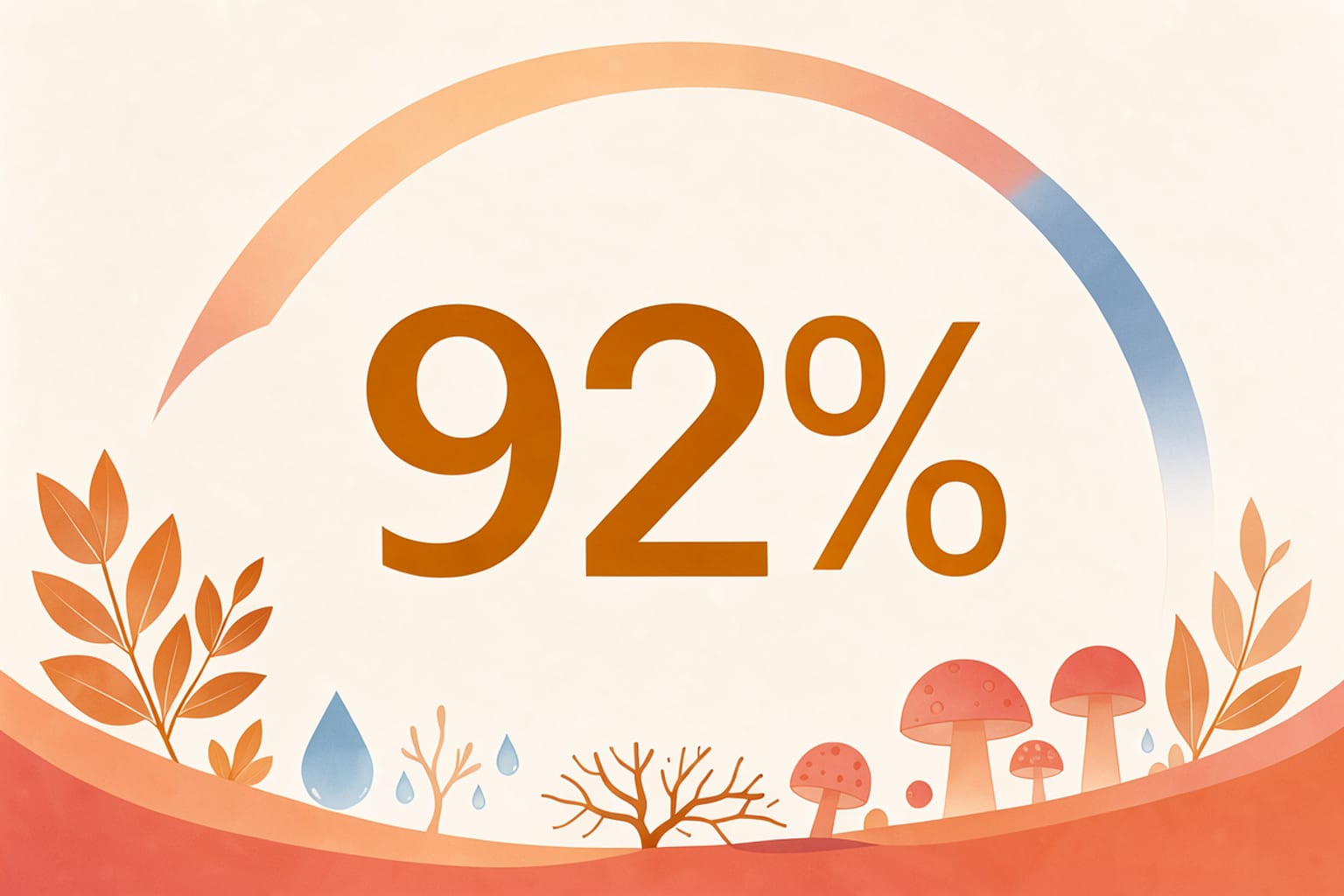
For a school, the change is concrete. The survey cleared the bar for adding the meatballs to the menu for the 2026–2027 school year, at a school that enrolls a few thousand students. For the climate, the question is harder. The sources do not show how much meat students eat over time, how many other schools would follow, or how far blended products could scale beyond a cafeteria. What the test does show is appetite: among those who tried them, 92% wanted the meatballs on the menu.
Comments
Loading the thread…
Sign in to leave a comment. Sign in