Lab study: a protein pendulum explains fast hydrogen-making enzymes
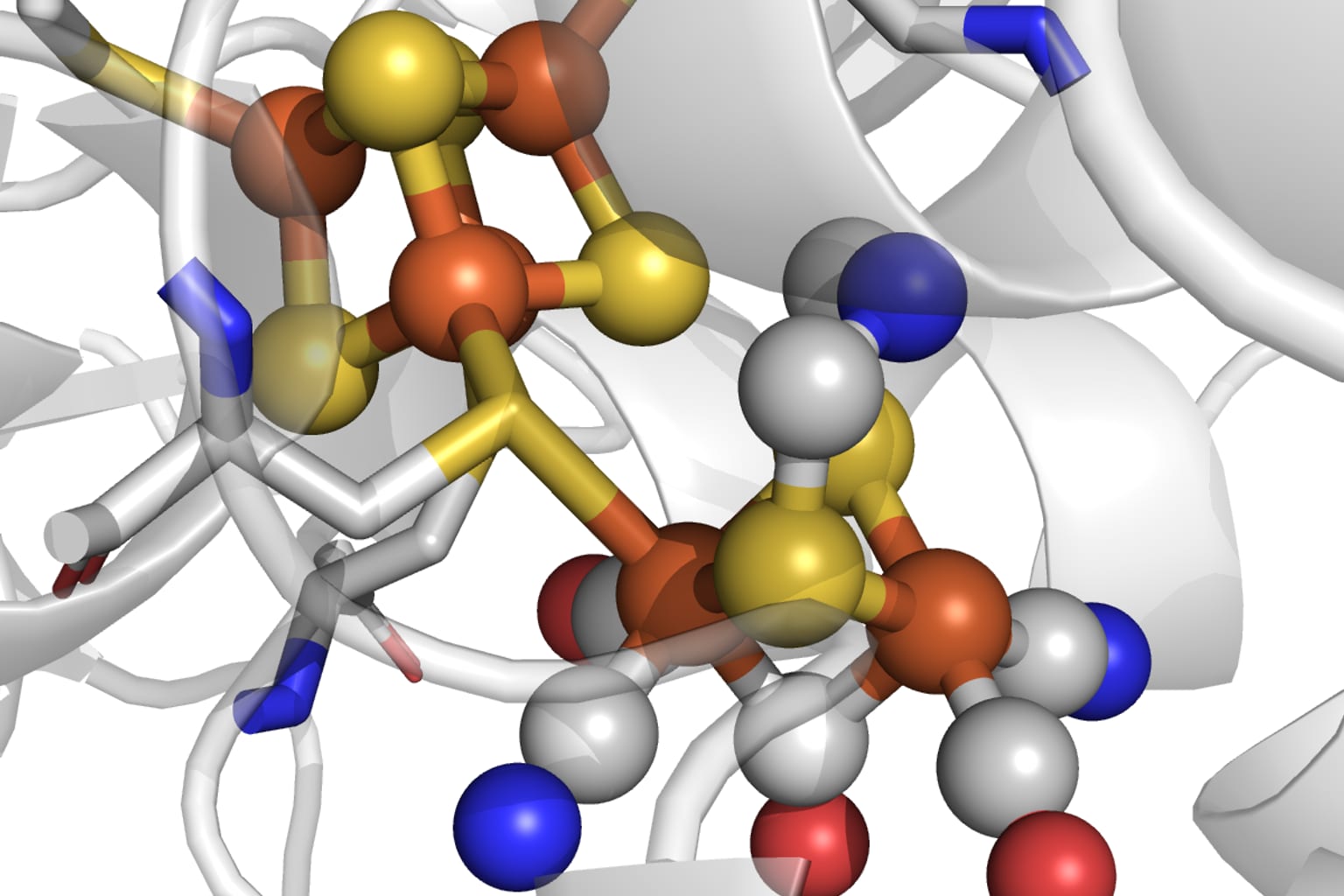
A single histidine is enough to decide whether an enzyme works at full speed or almost stops. In a laboratory study published on October 17, 2026, a team at Ruhr University Bochum, in Germany, has shown how one class of microbial enzymes moves protons so quickly that it can make hydrogen at high rates. Each of these biocatalysts can capture nearly 10,000 protons per second.
The enzymes in question are the [FeFe]-hydrogenases. Zinc occurs naturally in many biocatalysts, where it helps the reaction, but the same metal can also shut them down. Dr. Jifu Duan explains that zinc binds to the amino acids of the enzyme and can block it, or attach itself to sites needed for proton binding. The team found that, although zinc attaches to several places on these enzymes, only one precise location caused inhibition. That spot lies right next to the proton transport pathway already known in hydrogenases.
The researchers then identified the two histidines that zinc and other metal ions block, both on the surface of the enzyme. Replacing one of them with another amino acid kept the enzyme highly active but made it insensitive to zinc. Replacing the other one made the enzyme produce hydrogen only very slowly. Together, these tests and the crystal structures showed that one histidine works like a pendulum, pivoting on a fixed fulcrum formed by another amino acid. When it swings toward the surface, it takes a proton from the second histidine. When it swings inward, it passes that proton to the known transport pathway.
The pendulum is not found everywhere. Several groups of [FeFe]-hydrogenases exist, but only Group A reaches the particularly high production rates that make these enzymes interesting for biotechnology. Professor Thomas Happe says the team searched for the pendulum in other groups and found it only in Group A. The researchers believe the two histidines explain the swift capture of protons and the high activity of that group, and they suggest that evolution may have specialised this group for that reason.
For now, the benefit is mainly to research. Understanding this mechanism could help scientists study other hydrogenases and, the team writes, perhaps design biocatalysts better suited to bio-based industrial processes. The authors also note that the results matter for understanding hydrogen metabolism in living organisms, which plays a role in many ecosystems. No timeline for such applications is given, and the study does not test any industrial process: it explains how a natural enzyme works, and that knowledge is the first step any engineering project would need.
Comments
Loading the thread…
Sign in to leave a comment. Sign in