NASA's Swift ends its mission after 2,000+ gamma-ray bursts
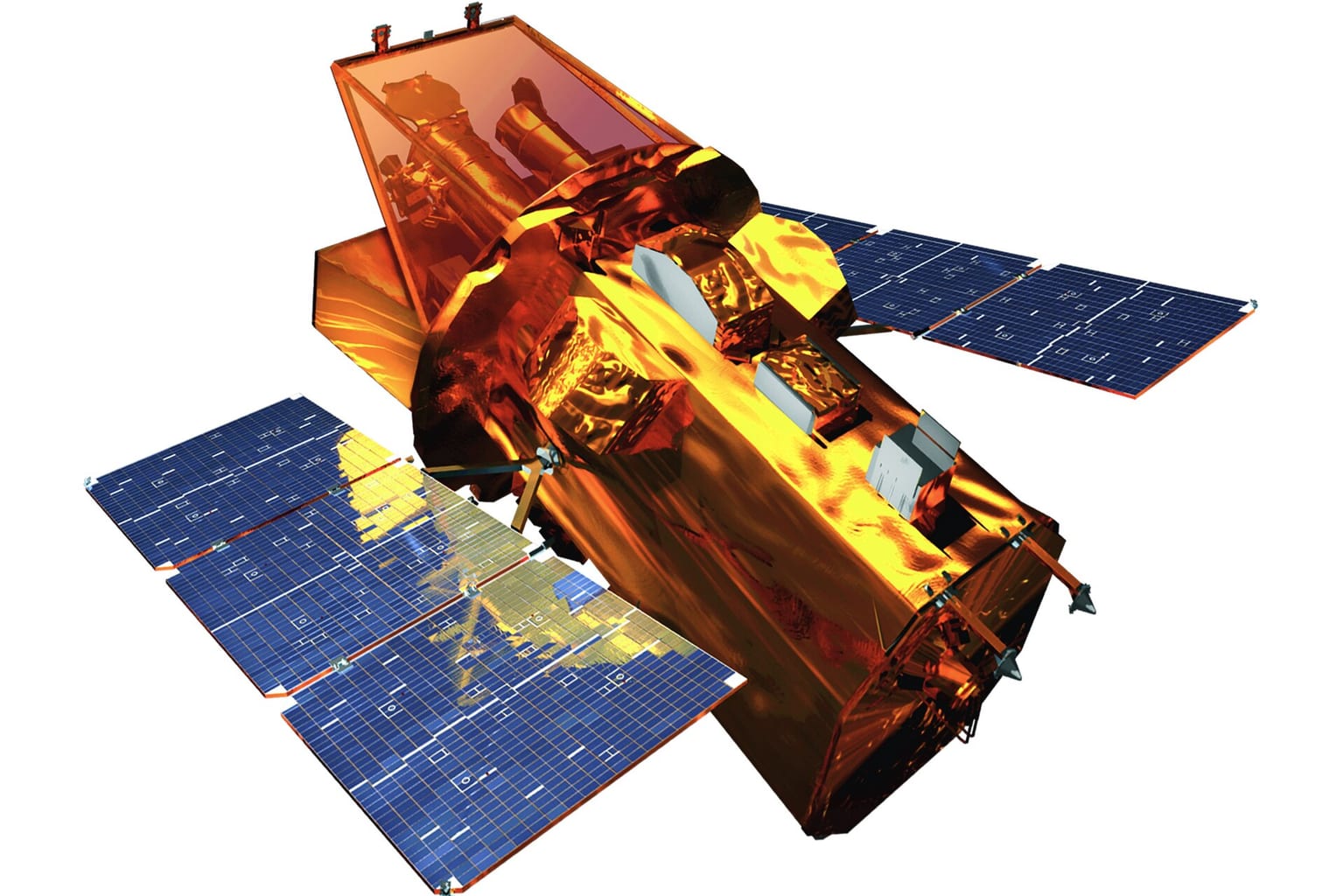
Swift's last observation came on October 20. The spacecraft, which now orbits less than 275 kilometers above Earth, sits in a band where atmospheric drag stops its telescopes from holding steady on their targets. NASA has ended the science mission, and the satellite is expected to re-enter the atmosphere within the next few weeks.
A short gamma-ray burst can peak in under two seconds, so the question for astronomers was never whether they could see it, but whether they could point at it in time. Before Swift, nobody could locate these bursts quickly and precisely enough to catch their afterglow, the fading light they leave behind. Swift solved that with a chain of steps: detect the burst, pin down its position, send it to other observatories, then turn its optical and X-ray telescopes toward it. That turn typically took about a minute. In May 2005, the satellite turned fast enough on GRB 050509B, a burst that lasted just 0.03 seconds, to detect 11 X-ray photons. It was the first short burst with a detected afterglow, and NASA says the observations validated models in which these bursts likely come from mergers of two neutron stars.
The mission's output went well beyond that single event. Swift observed more than 2,000 gamma-ray bursts, studied more than 1,400 supernova explosions, and contributed to about 7,000 published scientific papers. Its planning system could schedule up to 75 independent targets a day, and astronomers could request observations that were commanded from the ground in as little as a few minutes. The mission was designed for a two-year primary phase and ran productively for more than 10 times as long.
For astronomers, the immediate gain is the archive. It holds nearly 22 years of brightness measurements, more than 1.5 million images from its Ultraviolet/Optical Telescope, and about 12 terabytes of data, all publicly available. NASA says it will fuel new discoveries for decades. The gap in rapid response is more pressing: the agency says it is studying how to use and augment its existing fleet of space telescopes, from commercial launch capabilities to new missions, but the release sets no date for those options.
Sources — read the originals(Paris time)
Read next
Comments
Loading the thread…
Sign in to leave a comment. Sign in