Portugal Trial: Bidirectional EV Charging Cuts Home Bills 14%
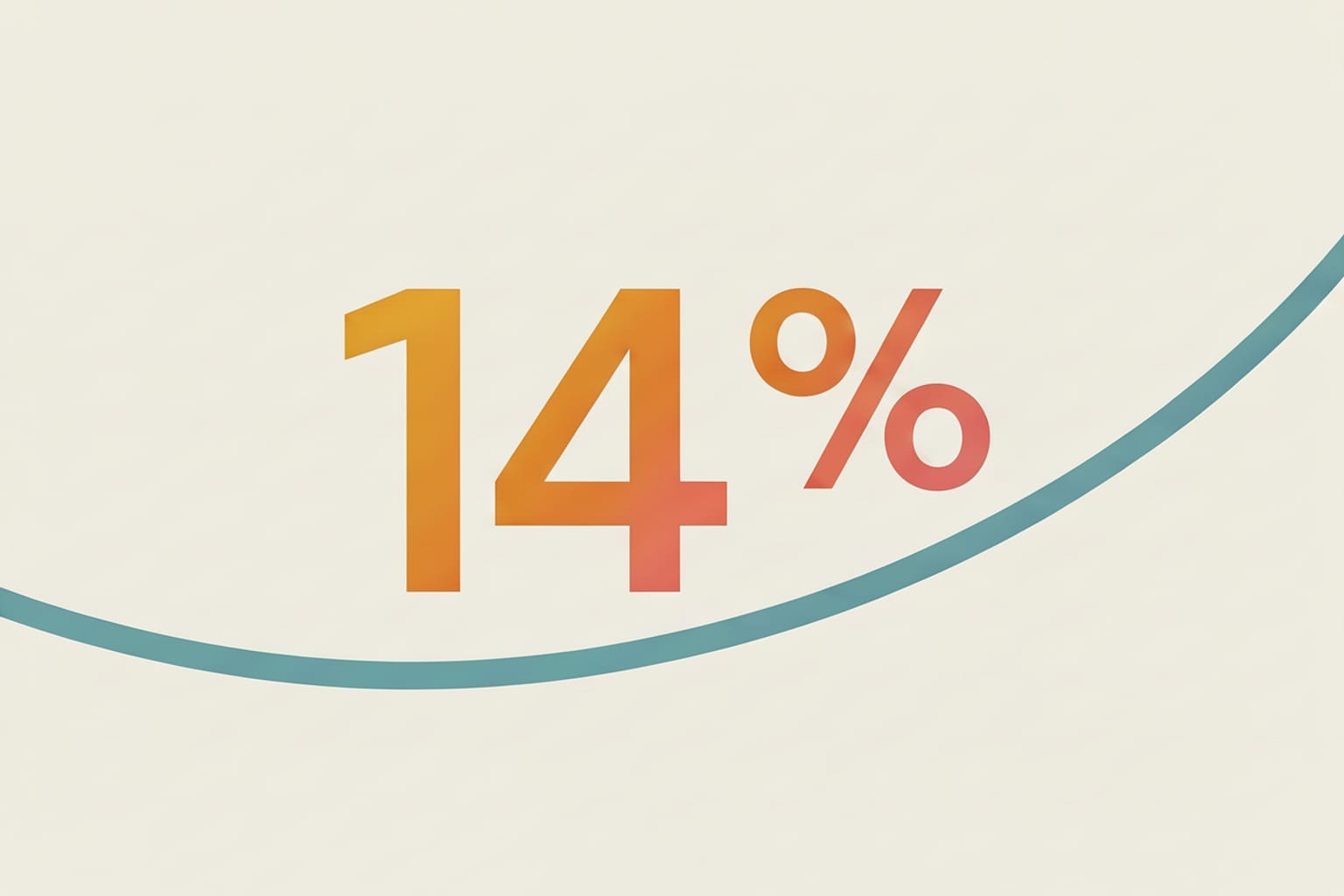
A car parked in a Portuguese garage can, at certain times of day, become a small power plant. That is the bet tested over four years by the EU-funded project EV4EU, backed with nearly €9 million from the European Union. In Portugal, researchers recorded an average 14% reduction in the cost of home charging.
Bidirectional charging — the ability of a car to send electricity stored in its battery back to a home or to the grid — is one of those technologies that is widely discussed but still rarely used. The project, launched in June 2022 and completed in May 2026, tested the idea under real-world conditions in four countries: Portugal, Slovenia, Greece and Denmark.
In Portugal, the setup combined standard and bidirectional chargers with energy management systems that decide when to charge and when to discharge. The result: an average 14% reduction in home charging costs, and an integration of renewable energy that could climb as high as 21.9%. Researchers stress that these figures should not be generalized. Savings depend on electricity prices, installed equipment and vehicle availability, and do not amount to a systematic 14% cut for every driver.
The three other trials explored different uses. In Slovenia, virtual power plants, which coordinate several vehicles at once, were tested. In Greece, dynamic pricing at public chargers. In Denmark, smart management of car parks equipped with chargers. The project also produced a working prototype of a bidirectional charger with the CCS connector, the plug standard used in Europe for fast charging.
So what does it mean in practice? For an owner, the benefit is a lighter bill, provided they have a compatible vehicle and charger, and that their trips are not compromised. For the grid, every battery that discharges at the right moment adds capacity to absorb solar or wind output, which varies with the weather. Researchers also point to the issue of wear: algorithms have been developed to optimize charge and discharge cycles and limit battery degradation. Scaling up is not guaranteed. It will take compatible vehicles and suitable chargers, but also compensation or savings attractive enough for private owners to agree to make their battery available.
Comments
Loading the thread…
Sign in to leave a comment. Sign in