Preliminary NASA report: Artemis II crew's Moon observations
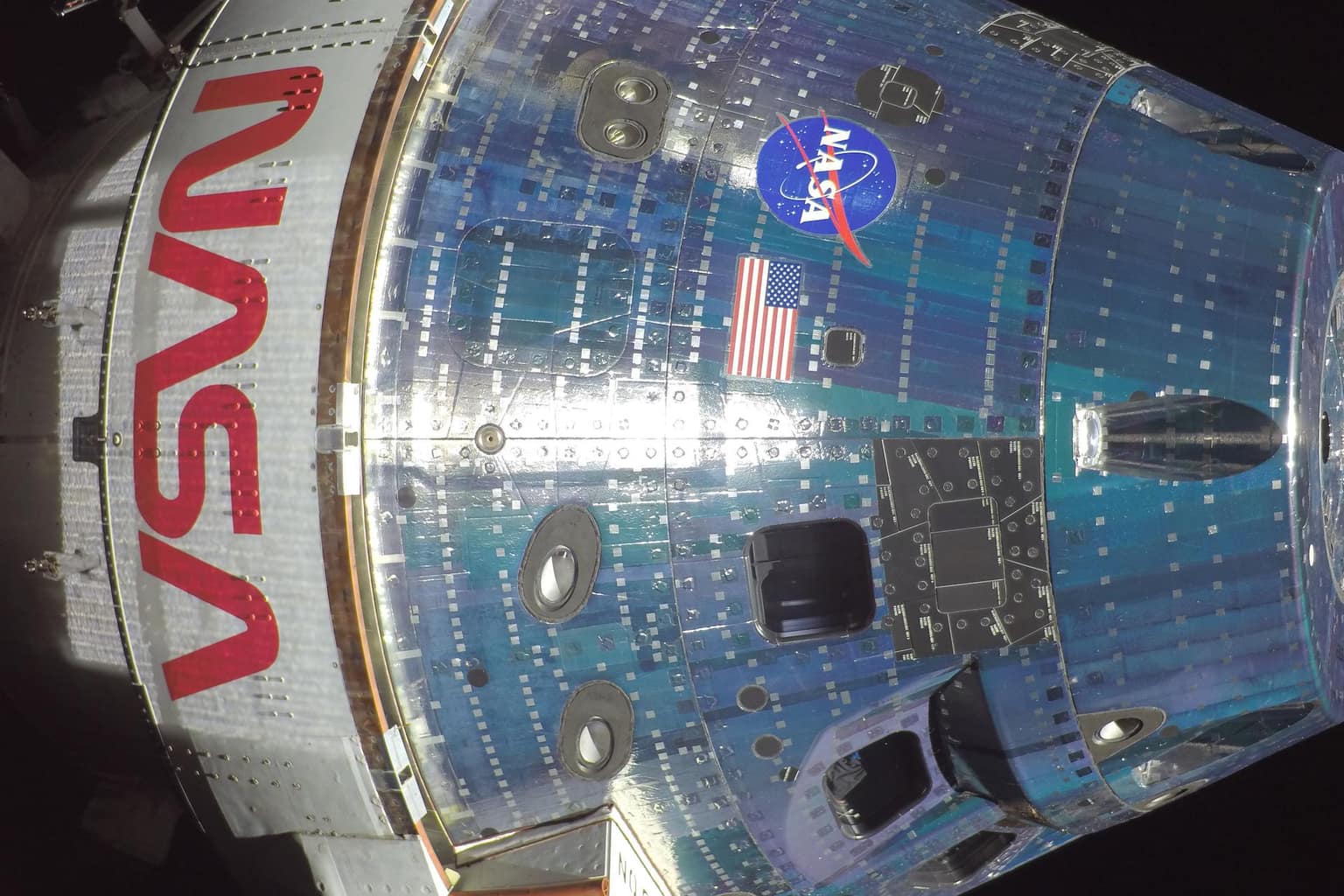
Robotic spacecraft have studied the Moon for decades. On its April flight, the Artemis II crew put people in the picture: four astronauts photographing, describing and sketching what they saw. NASA's preliminary report, released on October 7, 2026, sets out what came of it. Over about seven hours in close proximity to the Moon, Reid Wiseman, Victor Glover, Christina Koch and Jeremy Hansen took scientific observations, and the report turns them into a documented record.
The most striking result is five extremely faint 'pinprick' bursts of light. The science team confirmed the sightings after ruling out cosmic rays and reflections from the spacecraft. From the brightness of the flashes, scientists estimated that the incoming rocks were each no more than a couple of inches wide. The crew also described possible additional flashes, but the team excluded those ambiguous events from the formal record, which is why the count stays at five.
The observations also cover the Moon's surface and its geometry. From their vantage point, the Moon completely blocked the Sun for 54 minutes, far longer than a solar eclipse lasts on Earth. The crew sent the video they acquired to the Lunar Science Team at NASA's Johnson Space Center in Houston. The report's colour-coded map distinguishes blue for titanium-rich volcanic rocks, brown for iron-rich rocks and green for volcanic glass or impact-melted regolith. Handheld-camera images can be compared with data from NASA's Lunar Reconnaissance Orbiter (LRO), which is where the crew's contribution gets its value.
The report is careful about its claims. Trained observers, it says, can add qualitative information to photographs and existing robotic data, and the findings remain preliminary. The report also names limitations that affect further analysis. The first batch alone comprises 996 new images, 814 GB of observations and 521 minutes of audio, so the work of checking and interpreting it has only started.
For lunar scientists, the gain is a second, human-made record to set beside orbital data, with the crew's photographs and spoken notes available for comparison. For future astronaut missions, Universe Today suggests the same kind of observations could help identify potential resource sites for mining. That remains a possibility, and no date is attached to it.
Sources — read the originals(Paris time)
Pages consulted while writing
Comments
Loading the thread…
Sign in to leave a comment. Sign in