
EnergyLab
Adding germanium eases electron flow in a power-chip material
Hokkaido and Kyoto University researchers add germanium to alpha-gallium oxide, a material for power chips.
Written by AI2 min1 source
Solar, wind, nuclear, grids, storage: the electricity that will run everything else.
Energy is the mother section: everything else this journal covers — computing, vehicles, factories — eventually plugs in somewhere. We follow solar and wind as they keep cutting prices, nuclear reinventing itself as small modular reactors, geothermal, hydrogen where it actually makes sense, and above all the grids: interconnections, bulk storage, demand management — the plumbing without which no megawatt is worth anything.
The through-line is the kilowatt-hour: its cost, its footprint, its availability. An efficiency record only counts dated and sourced; a power plant only counts once connected. The section favours verifiable numbers — auctions, commissionings, production curves — and the players Western general media rarely cover, from Chinese electrolyser makers to island grids going 100% renewable.
Hokkaido and Kyoto University researchers add germanium to alpha-gallium oxide, a material for power chips.
A team led by Katsumi Ida at Japan's NIFS observed it on the Large Helical Device (LHD) fusion machine.
A CSIRO-led team and Ghent University imaged gases mixing pore by pore in a 6 mm rock sample, in the lab.
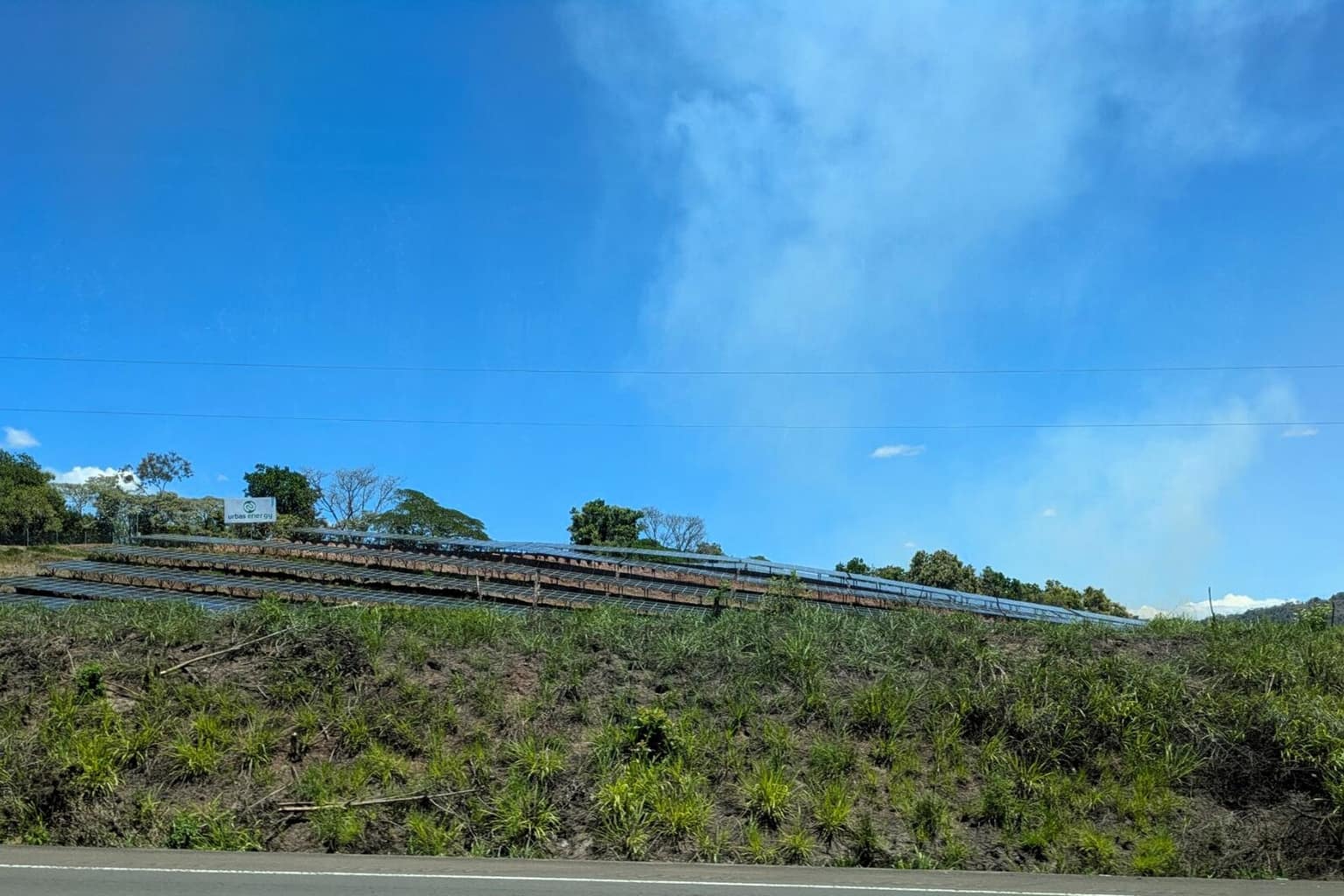
Tongji University researchers estimate China's 185,000 km of highways could yield 182 TWh of solar a year.
182 TWhEstimated yearly solar output of China's highways, from a modelling study
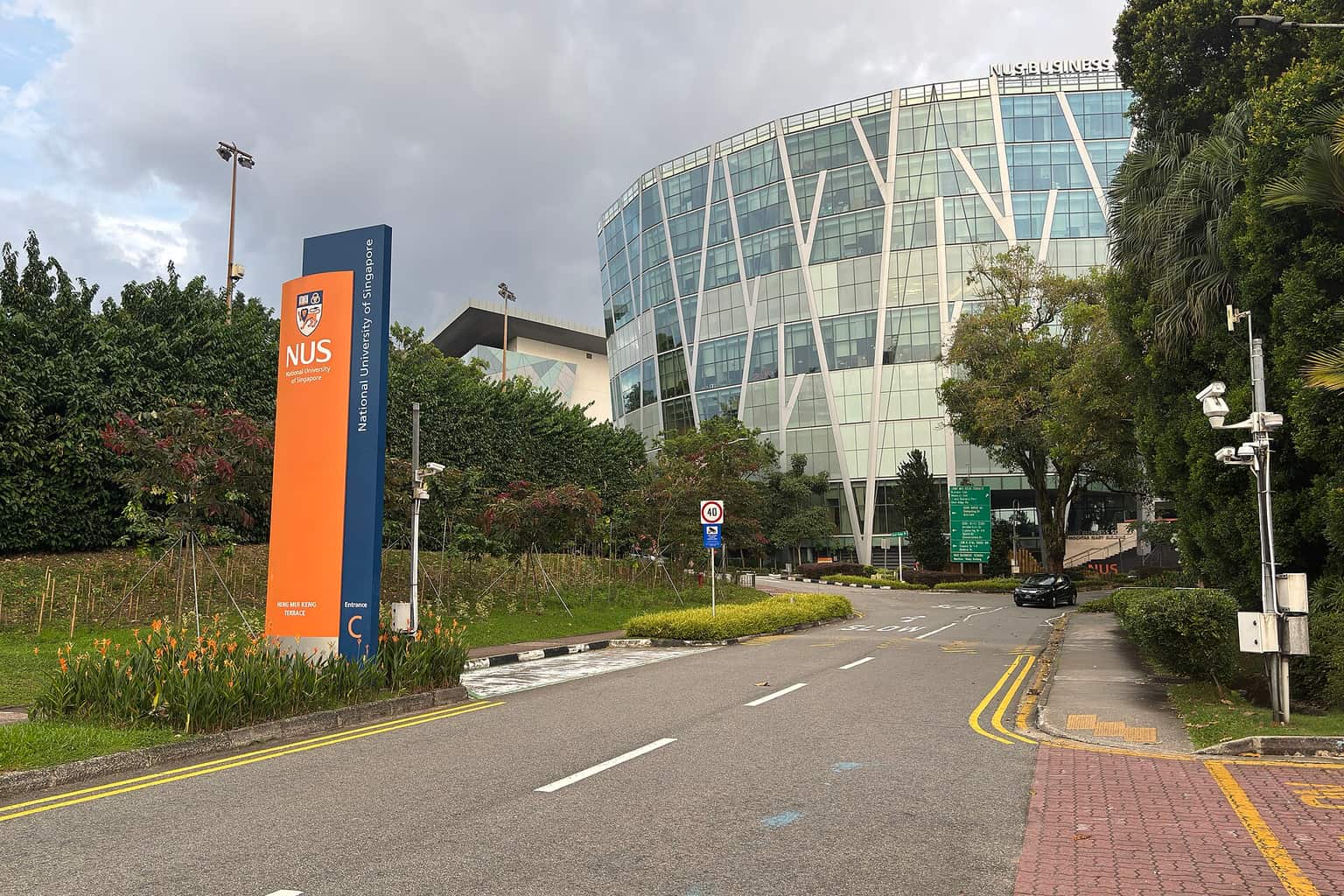
National University of Singapore (NUS) team: over 2,000 hours of hydrogen at low current, in lab tests
over 2,000 hoursHydrogen output sustained in lab tests at low current, with regeneration
UT Austin and Zhejiang University chemists: a reusable molecular fabric absorbed 97.9% of benzene from a 50/50 mixture.
97.9%of benzene absorbed from a 50/50 mix, in the team's tests
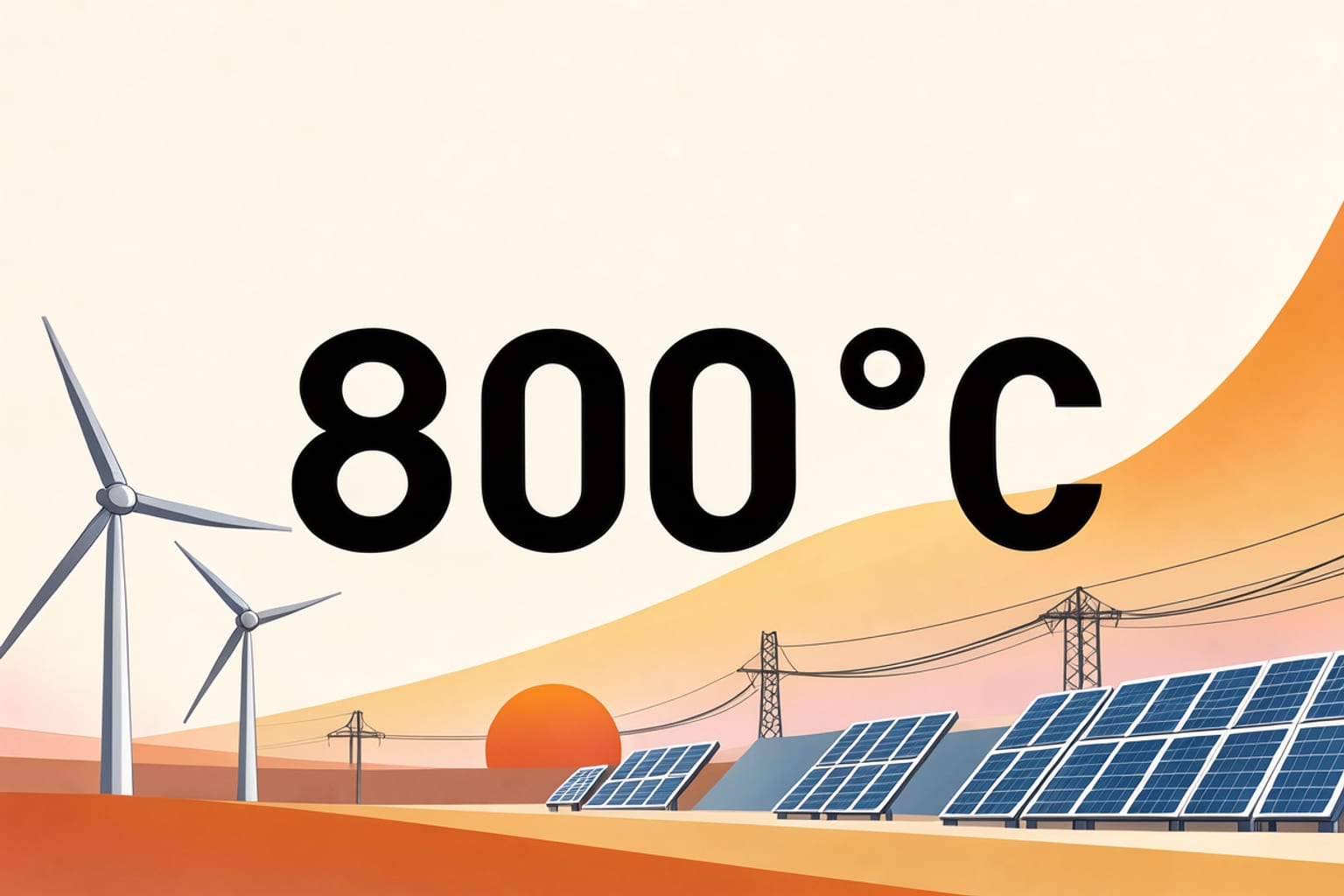
A Chinese team at the Dalian Institute of Chemical Physics made dense ceramic films at 800°C, in the lab.
800°CIn the lab: dense films at 800°C, against 1,600°C for conventional BZY sintering
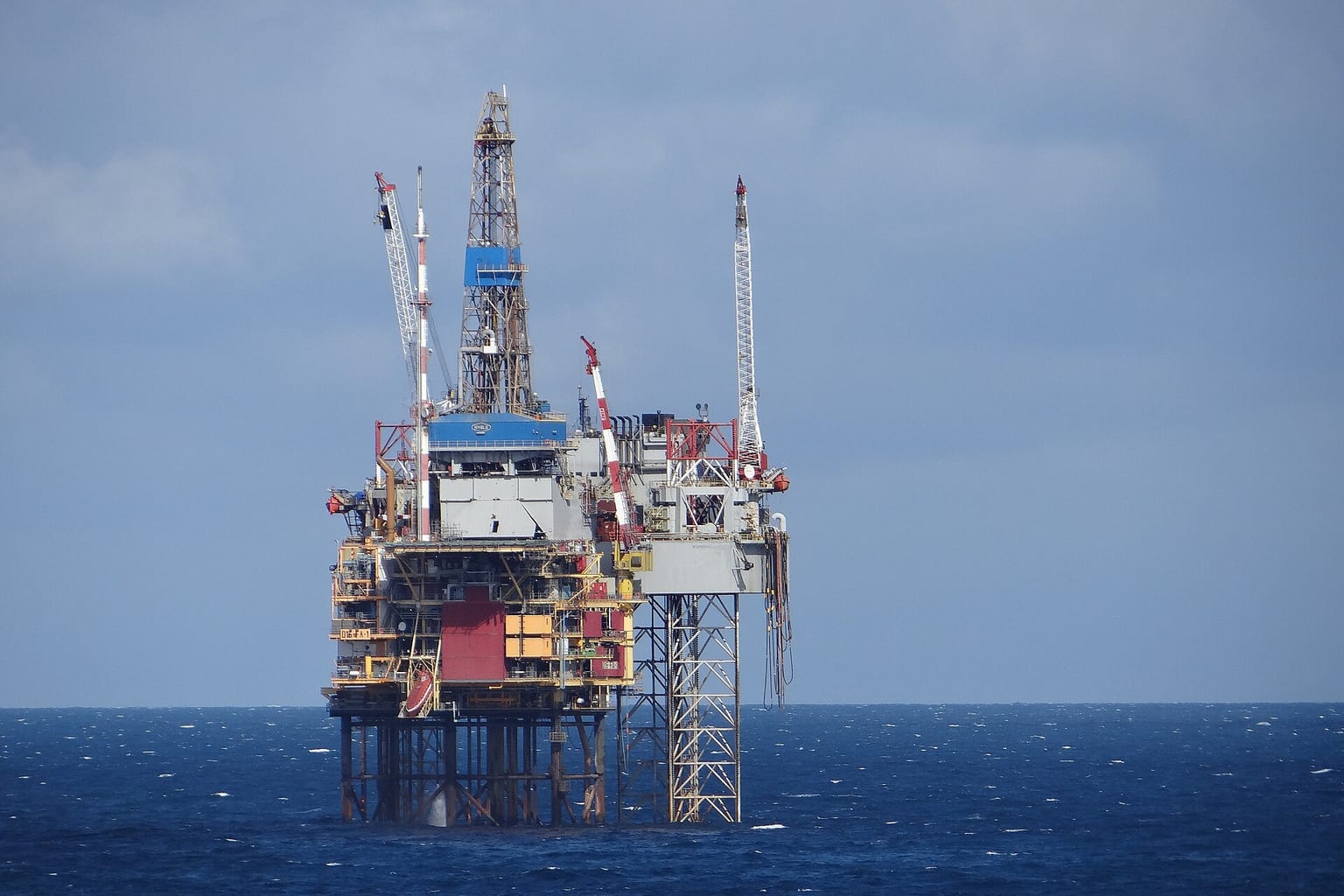
CNOOC, China's offshore oil company, tests a Bohai Sea well: 800,000 cubic meters of gas a day
800,000 m³ per dayGas flow in tests of a volcanic well 5,770 m below the seabed, Bohai Sea
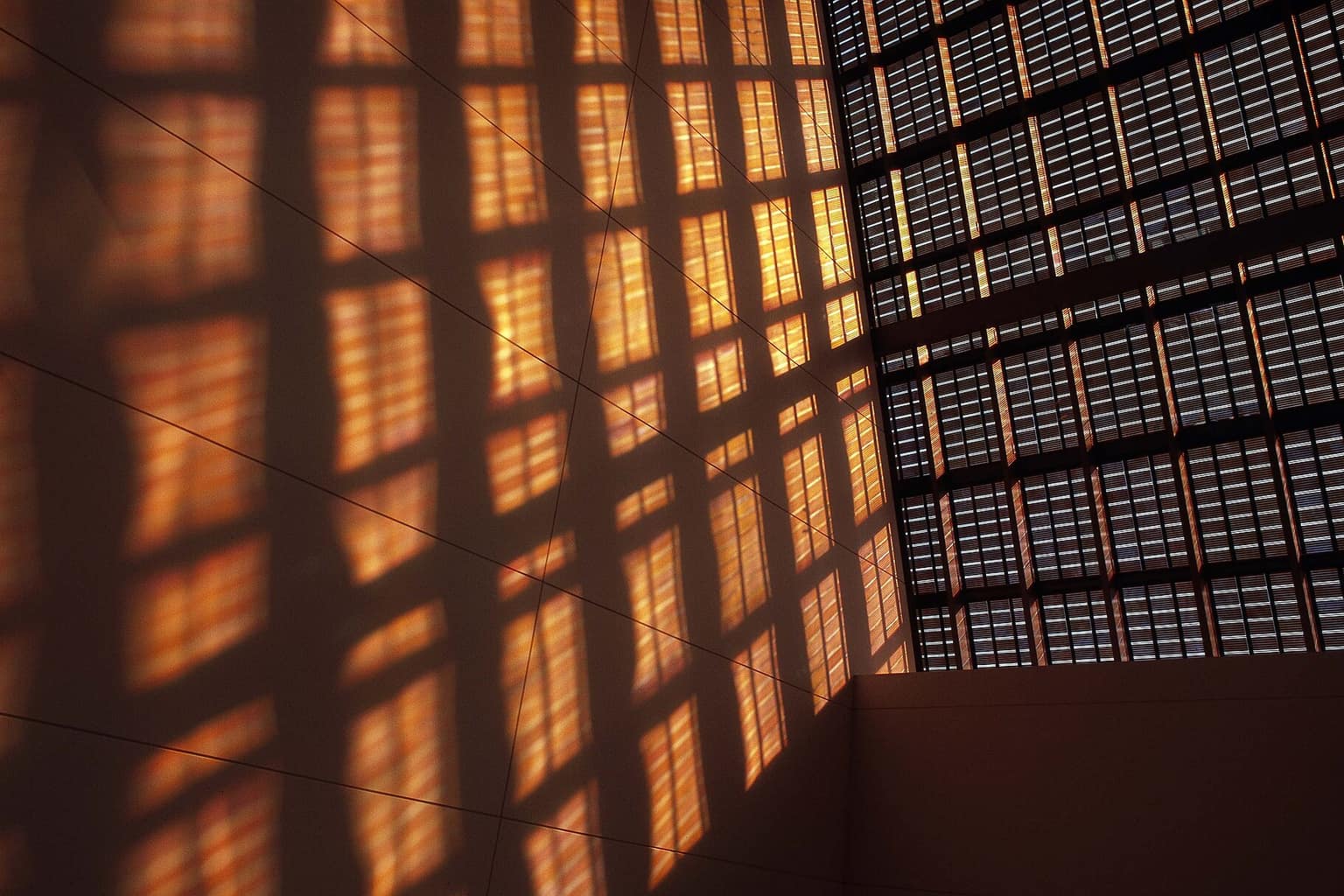
Modelled on 50 artworks, Van Gogh's Café Terrace at Night reaches 91.7% of a black panel's output, without bypass diodes.
91.7%Café Terrace at Night, simulated: share of a black panel's output, no bypass diodes
The US Department of Energy picked OpenStar and Columbia University to design the reactor's exhaust system.
over one million degrees CelsiusPlasma heated and confined on Junior, OpenStar's New Zealand prototype, in February
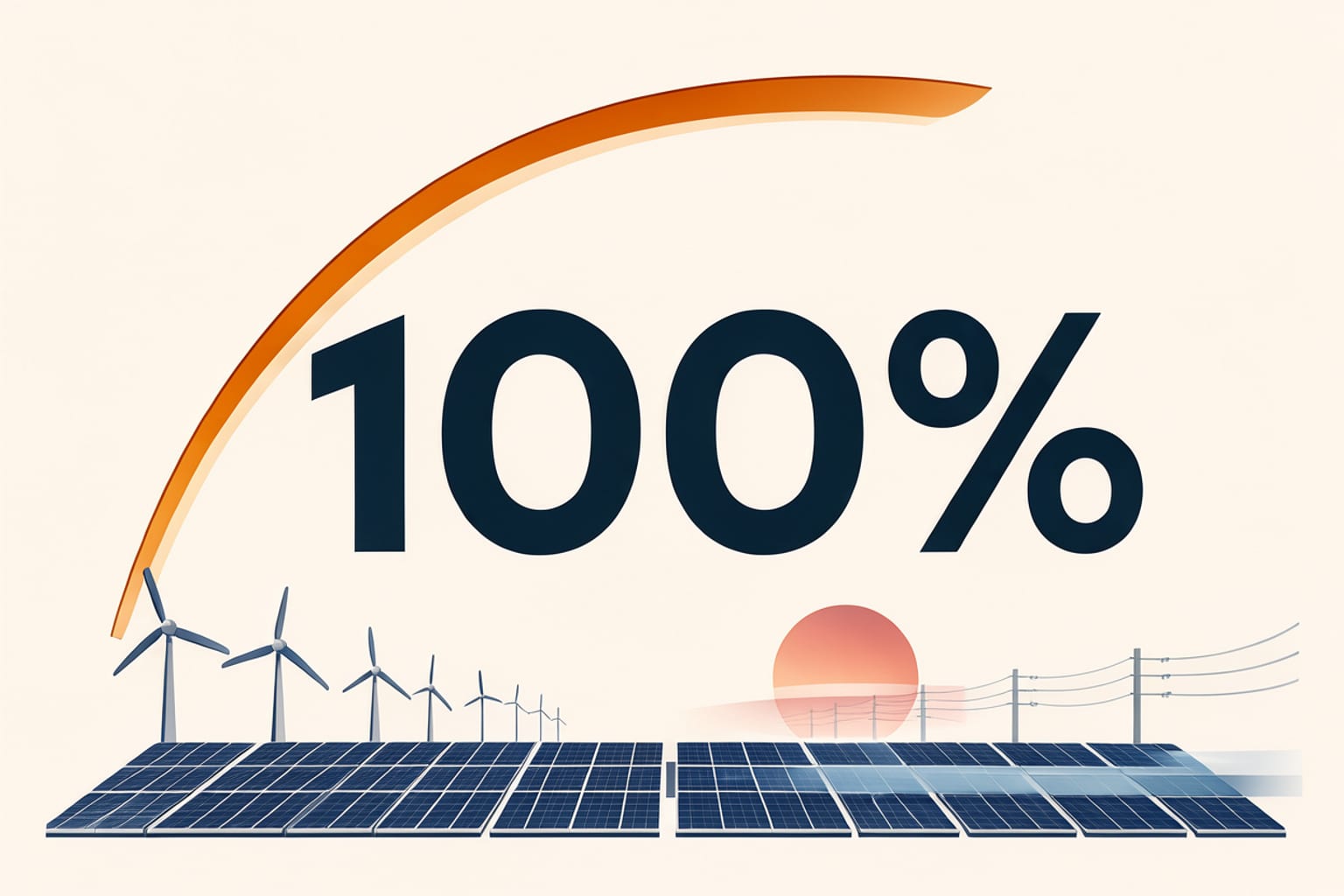
The LM6000 gas turbine completed tests validating operation on 100% hydrogen, GE Vernova says.
100%hydrogen validated on the LM6000 turbine, in GE Vernova's own tests
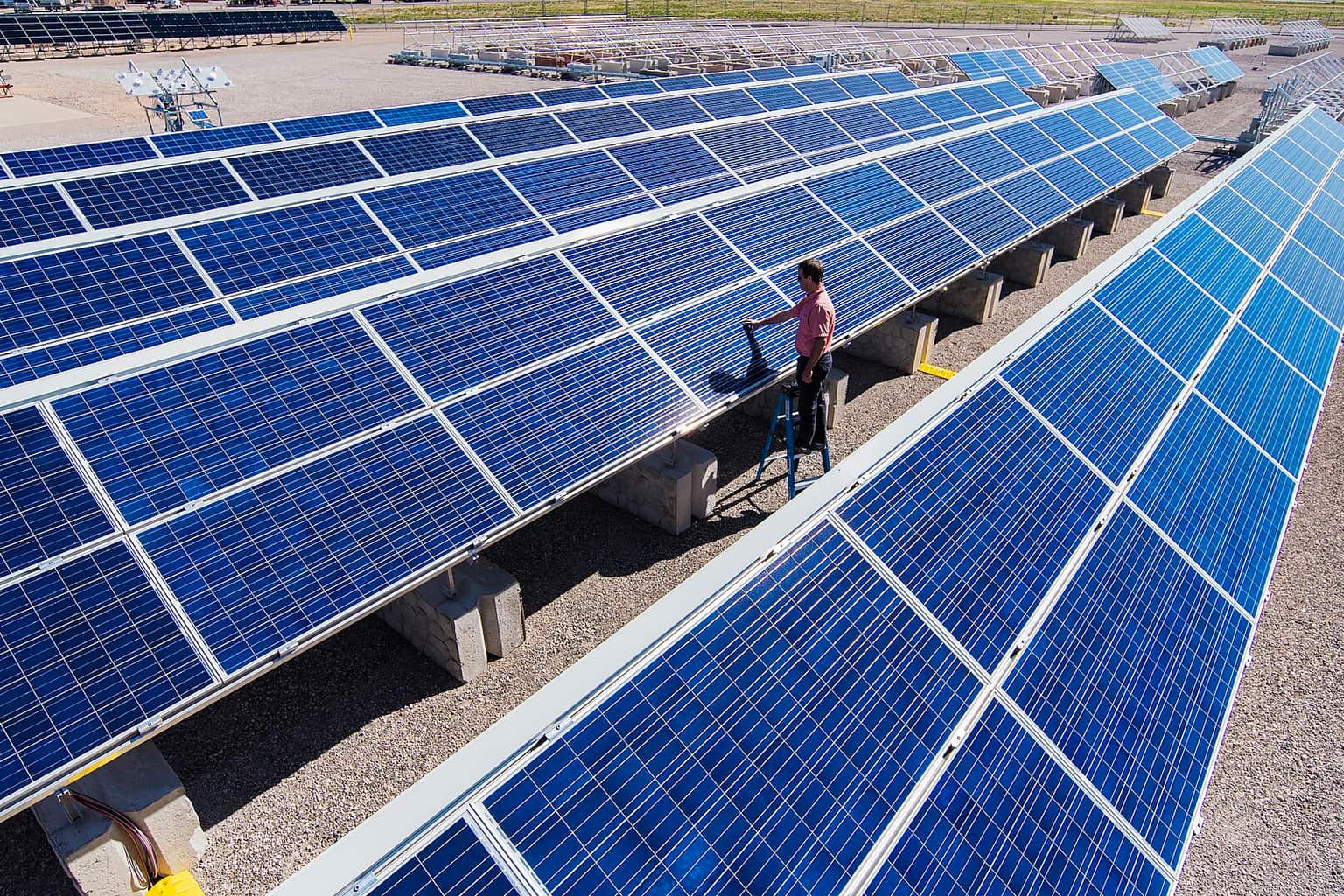
Karlstad University's LBIC phase mapping told good wire contacts from deliberately weakened ones in lab tests.
Since 12 August, the copper complex has drawn a continuous 30 MW from 233 MWp of solar and 526 MWh of batteries.
30 MWContinuous power, day and night, for the mine since 12 August (developer figures)
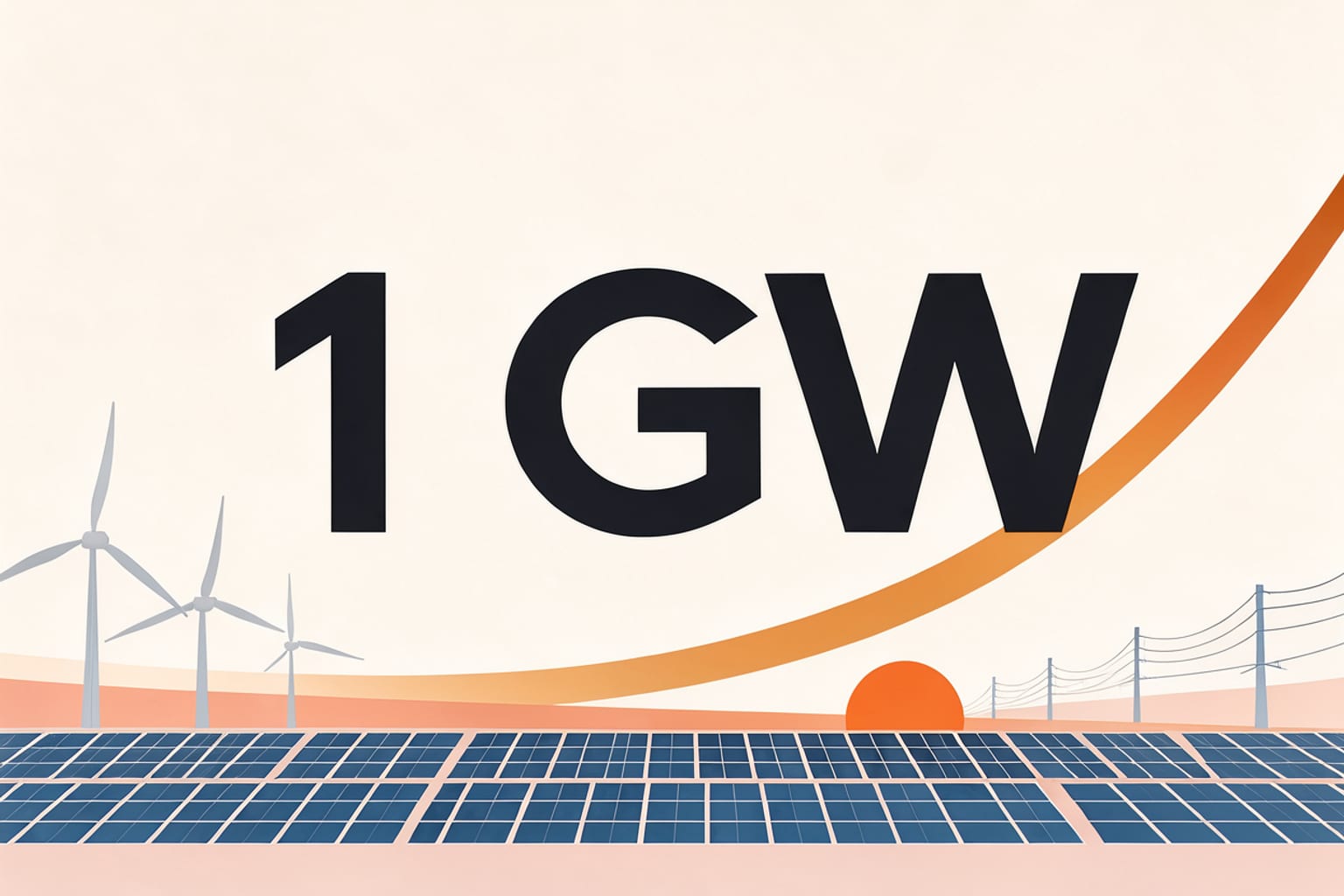
Oracle says utility programs on its Opower platform cut a record 1 GW of peak demand across North America in 2026.
1 GWPeak demand cut in 2026 by utility programs on Oracle's Opower platform, per Oracle
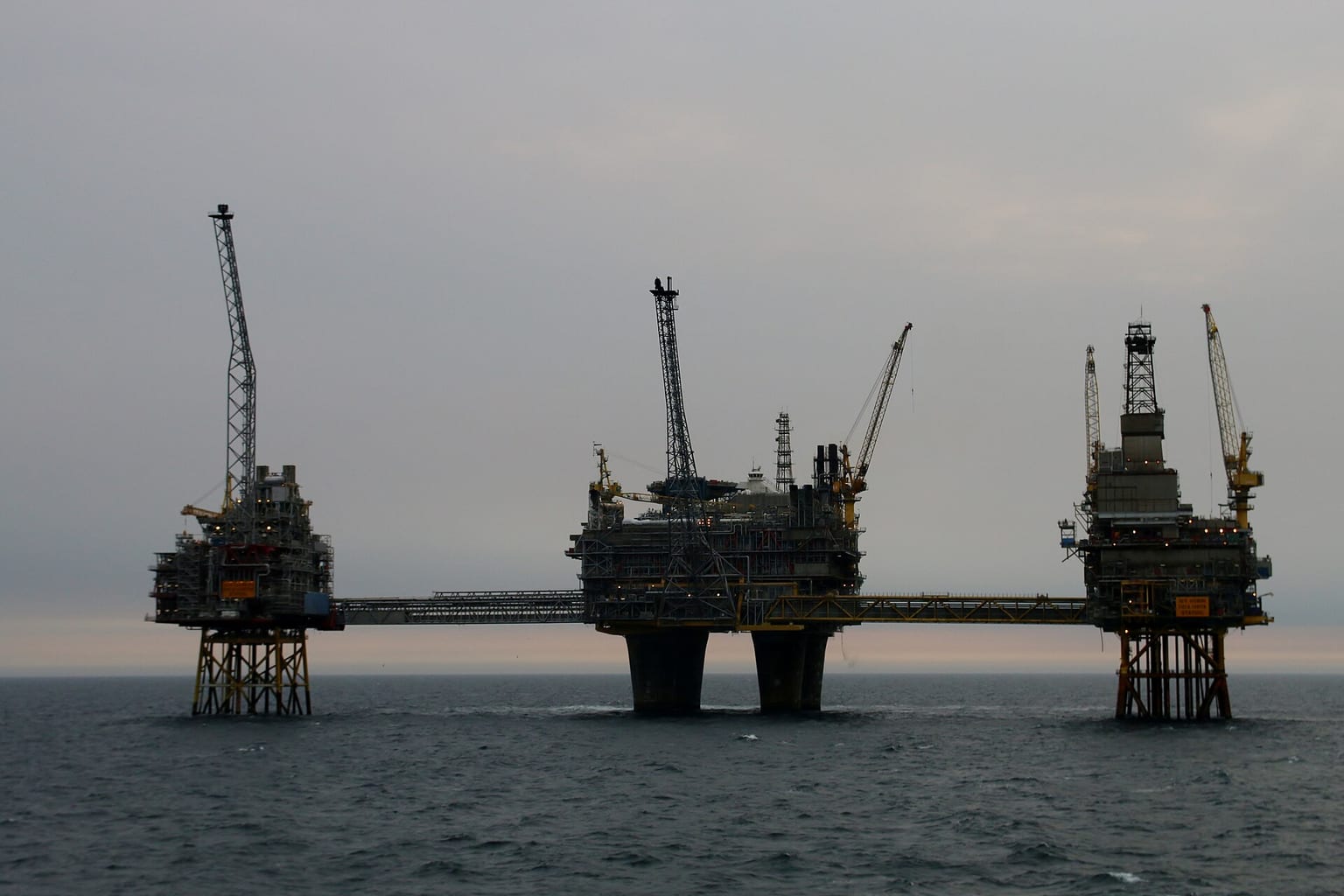
A full-scale demo in Stord ran 305 start-stop cycles with no leak and vibrations within safe limits.
305start-stop cycles with no leak, in a demo plant
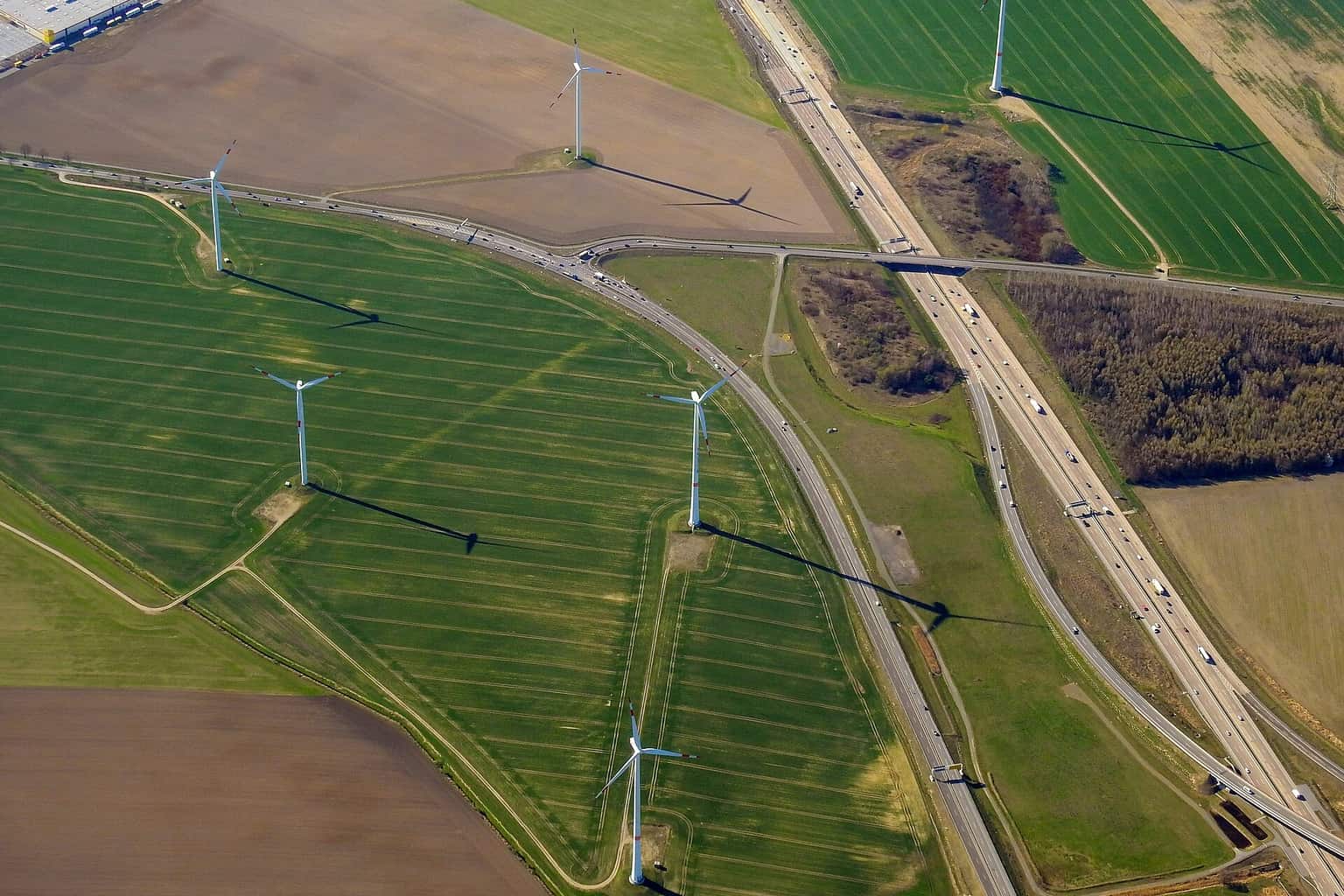
Integrated testing has started at Bad Lauchstädt, with full commissioning planned for 2027.
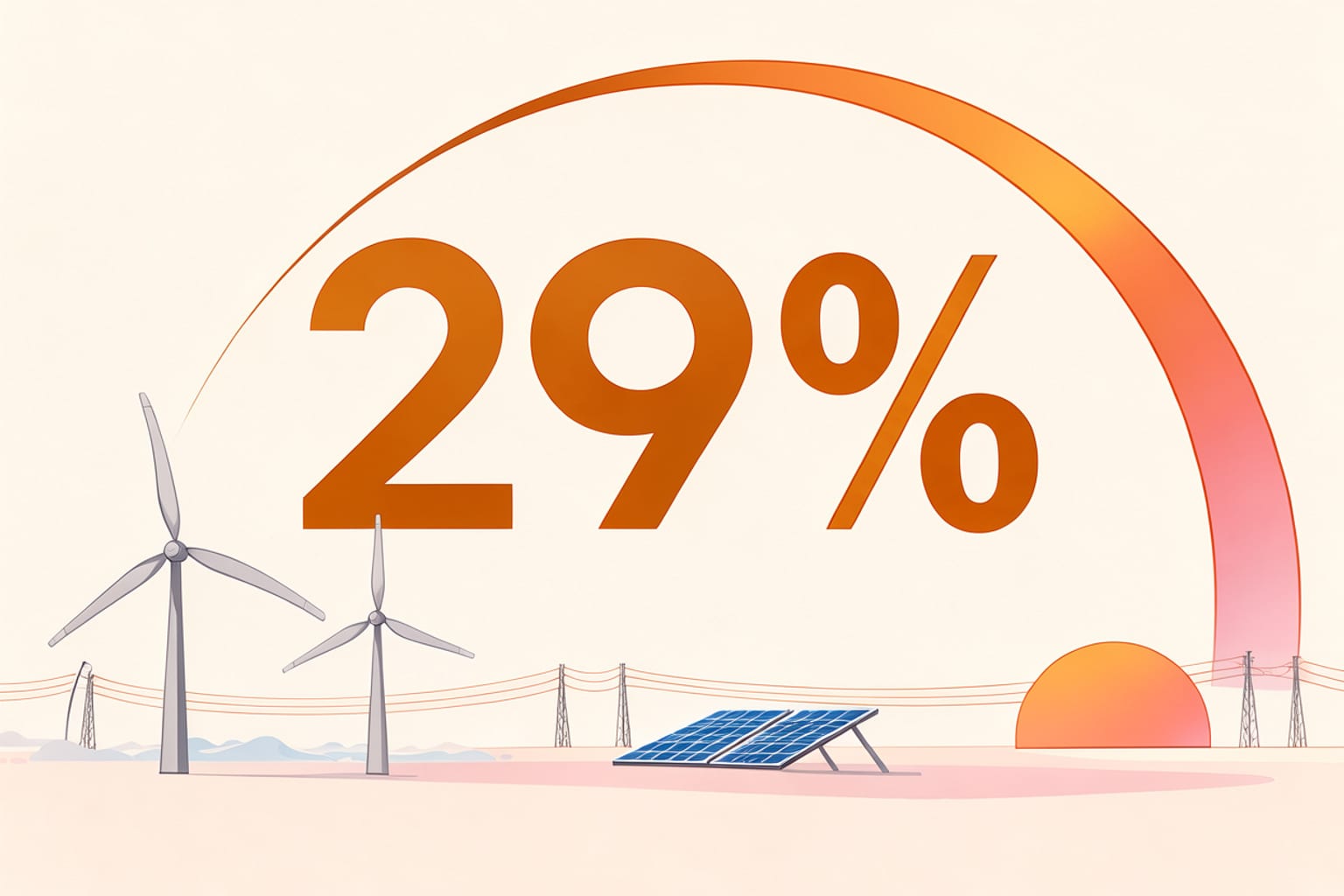
Rubber blades that bend with the current matched the energy output of a pitch-controlled turbine in tank tests.
29%Maximum cut in rapid load swings on the blade, in tank tests, at equal energy output
Argonne researchers tested three iridium crystal faces in acidic and alkaline solutions, across four key reactions.