Strata runs a 125-billion-weight model on a gaming PC
Strata spreads the model across graphics card, system memory and SSD, with only 6 billion parameters active per token.
135 to 145 tokens/stokens per second on an RTX 5090, in heise's tests
Models, agents, applications: artificial intelligence put to work on real problems.
Here, artificial intelligence is judged on the evidence: what it does, for whom, at what cost. The section follows models and their measurable progress, agents doing real work, and above all deployments — a hospital screening more patients, a power grid better balanced, a public service answering faster. AI-as-spectacle, productless funding rounds and prophecy get no space.
We favour documented use cases with the numbers attached: how many examinations, what error rate, what savings. Non-Western players — Chinese, Indian, Emirati labs — are covered on the same footing as American ones, because much of the real deployment happens there. Every article cites its sources and separates the prototype from the service in production.
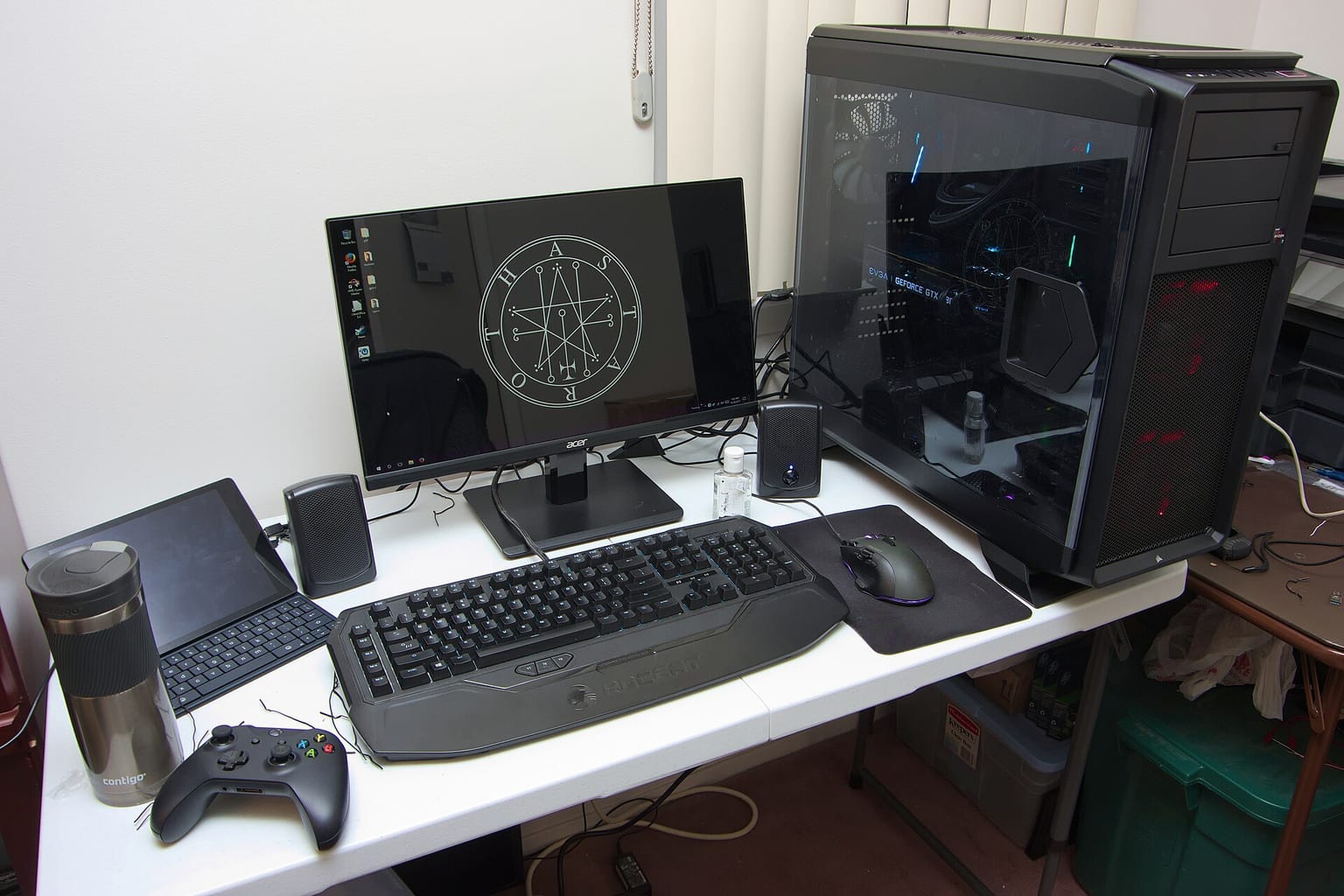

Strata spreads the model across graphics card, system memory and SSD, with only 6 billion parameters active per token.
135 to 145 tokens/stokens per second on an RTX 5090, in heise's tests

On StreamingBench's proactive-output task, RoboBeats-4B rose from 21.2% to 64.0%, according to AgiBot's own paper.
21.2% to 64.0%RoboBeats-4B accuracy on StreamingBench proactive-output task, in AgiBot's own tests

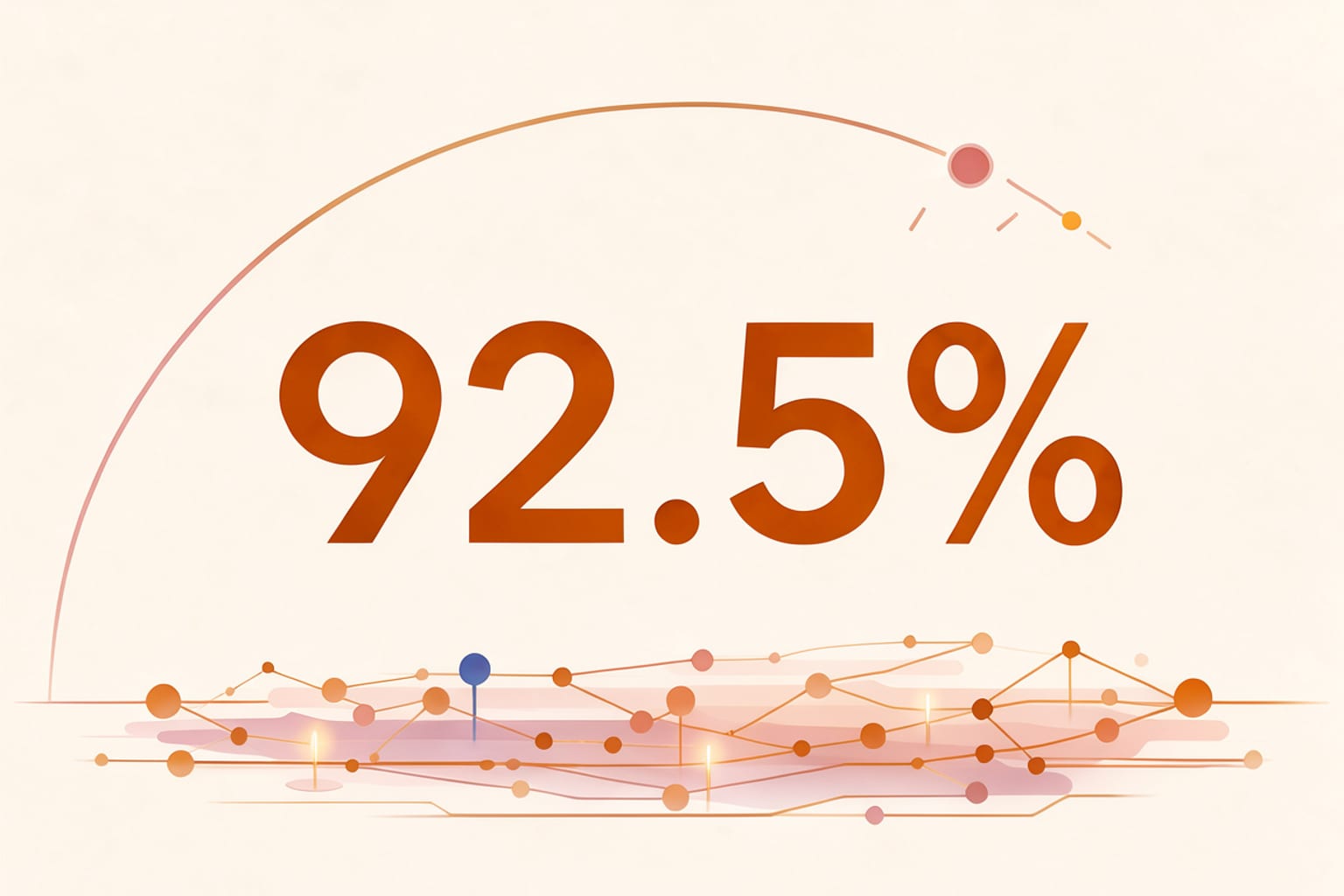
In simulation, PRISM completed 92.5% of 24-second walking trials without falling, versus 51% for a standard network.
92.5%of simulated walking trials completed without falling, against 51% for a standard network

A TU Graz team’s CLARA toolbox groups millions of simulation points into 5 to 50 zones, using AI.
10,000 timesfaster simulations of bioreactors, per TU Graz team; simulation only; no plant check reported

A team from the Chinese Academy of Sciences presents two robot-vision methods at ICRA 2026, a major robotics conference.
1.18 dBBetter image quality than rival OmniRe on complex-lighting driving scenes (PSNR)

Agent-based robot memory is slow and costly; this method moves the heavy reasoning offline, before deployment.
92%Cube pick-and-put-away success in virtual and real-arm tests, roughly 25 points above next-best

On ALFWorld, TTSE reached 97.8% success, against 83.6% for the previous best method, in openJiuwen's own tests.
97.8%ALFWorld task success, up from 83.6% for the previous best method, in openJiuwen's own tests

DeepMind's AI agents formally verified Signal's core cryptographic code, in a proof of concept.
four weeksSignal's core crypto code verified; expert teams historically needed years. Proof of concept

FAIR splits each AI decision system into data, model and rules, and reviews each layer in a repeating cycle.

Robbyant, Ant Group's robotics unit, released LingBot-Touch as open source under Apache-2.0.
14 to 26 percentage pointsAverage gain in task success across four action models, in Robbyant's own robot-hand tests

On a 12 GB iPhone, ModelBest's ablation goes from 3.38 to 20.51 tokens per second, or 6.07 times the baseline.
20.51 tokens/sDecoding on a 12 GB iPhone, up from 3.38 tokens/s, per ModelBest's own measurements

OpenAI says Control Room already runs across its research infrastructure, where intervention is needed most.
35 secondslongest delay before a flagged research job stops getting model output, per OpenAI

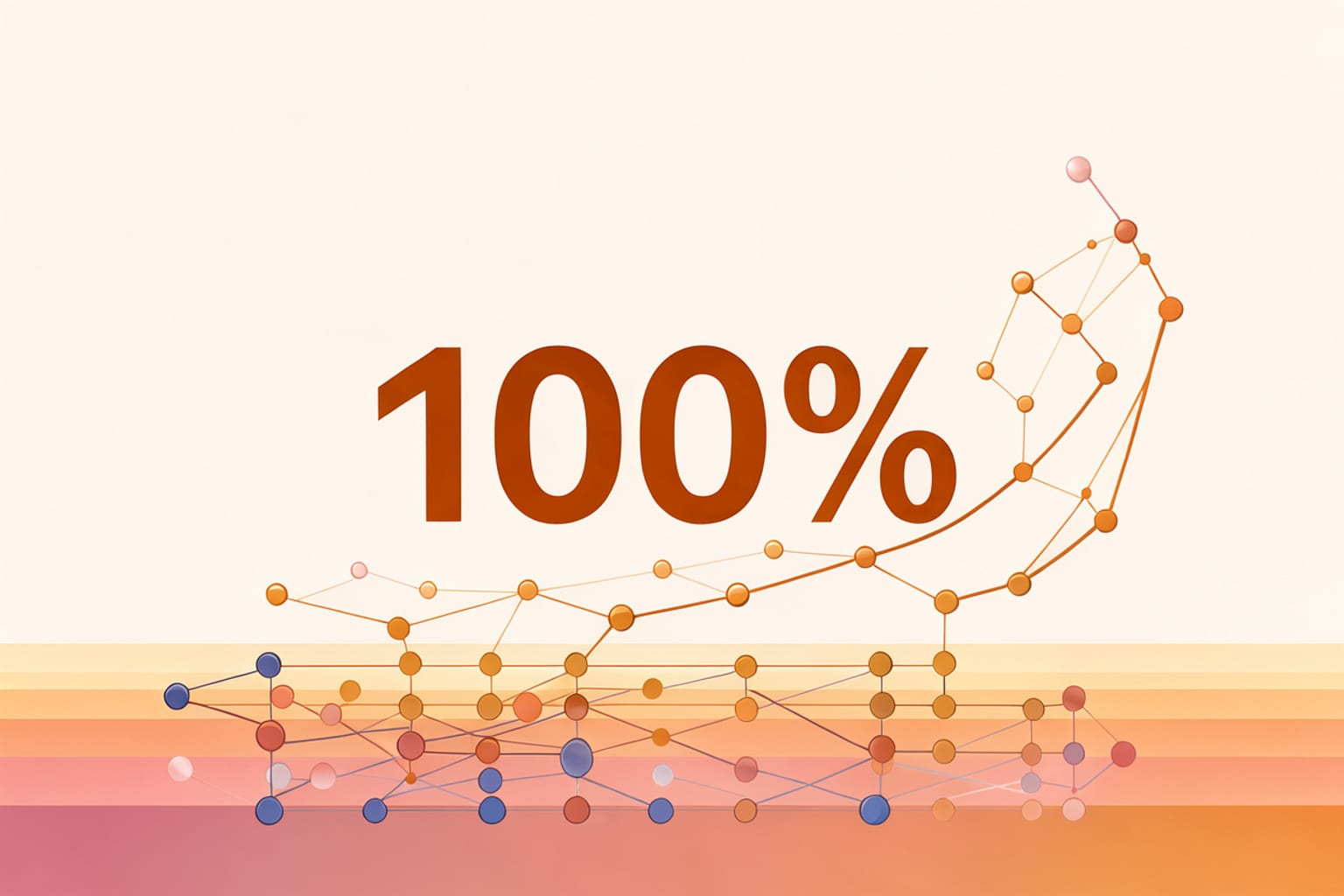
On benchmark simulations, three AI models classify uranium types with 100% accuracy.
100%accuracy sorting uranium into natural, low-enriched and highly enriched, in simulations

Apple's HALO research had Unitree's G1 humanoid robot sit down, crawl under tables and push boxes across six real homes it had never scanned, with an average success rate of 91% over 360 tests.
91%Average success rate across 360 tests in six real homes the robot had never seen or scanned (according to the research paper)

In a research paper, WorldParticle replaces a set of hand-coded simulators with one neural network that predicts how particles move.

Told “Don’t spill on the laptop!”, the robot also steers clear of a nearby phone, without being asked.

Huawei's Ascend team says it validated training of Moonshot AI's Kimi K3.1 Pro on a 128-card Atlas 950 SuperPoD.
15%Average training performance gain claimed by Huawei Ascend; not independently verified

X-Humanoid released Hi-WBC, a control model that adjusts posture, joint motion and support to the terrain and loads a robot faces.