Lab sensor detects 8-zeptomole reactions near quantum limit
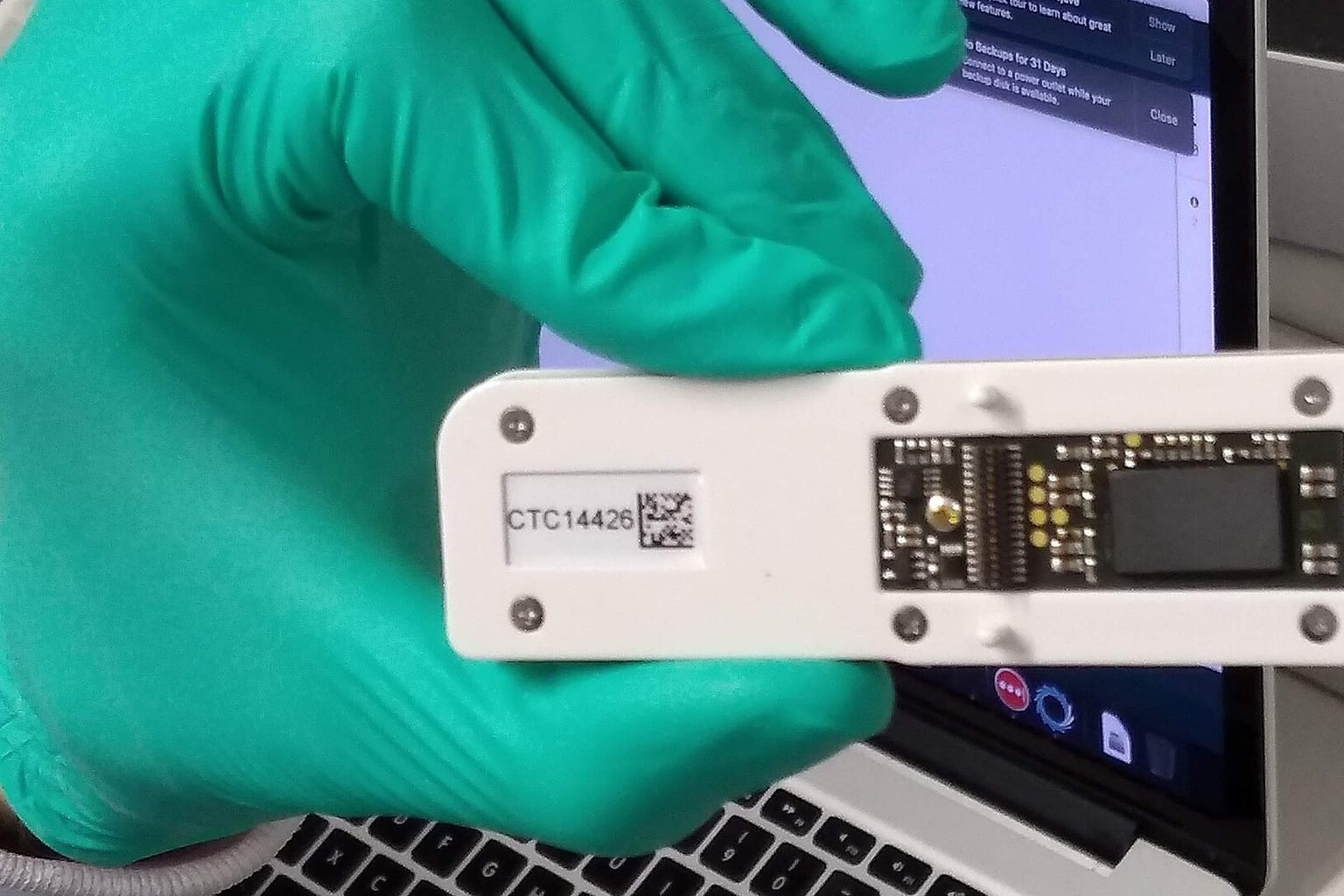
The SEED sensor reads many reactions on one electrode with light, not electrical current.
8 zeptomolesReactions measured in the lab, about 4,800 molecules
Diagnostics, prosthetics, vaccines, genomics: the medicine that adds years to a life.
Medicine that wins years of life: AI-assisted screening examining millions of patients, next-generation vaccines, genomics moving from sequencing to treatment, prosthetics and implants restoring lost abilities. The section follows completed clinical trials, market authorisations, hospital roll-outs — the moment a technology stops being a paper and becomes care.
The numbers rule: cohorts, detection rates, avoided mortality, costs. We gladly cover the health systems deploying at scale — India, Brazil, Southeast Asia — because frugal technologies often prove themselves there before arriving anywhere else. Every article rests on the trial, authorisation or study behind it, and cites them.
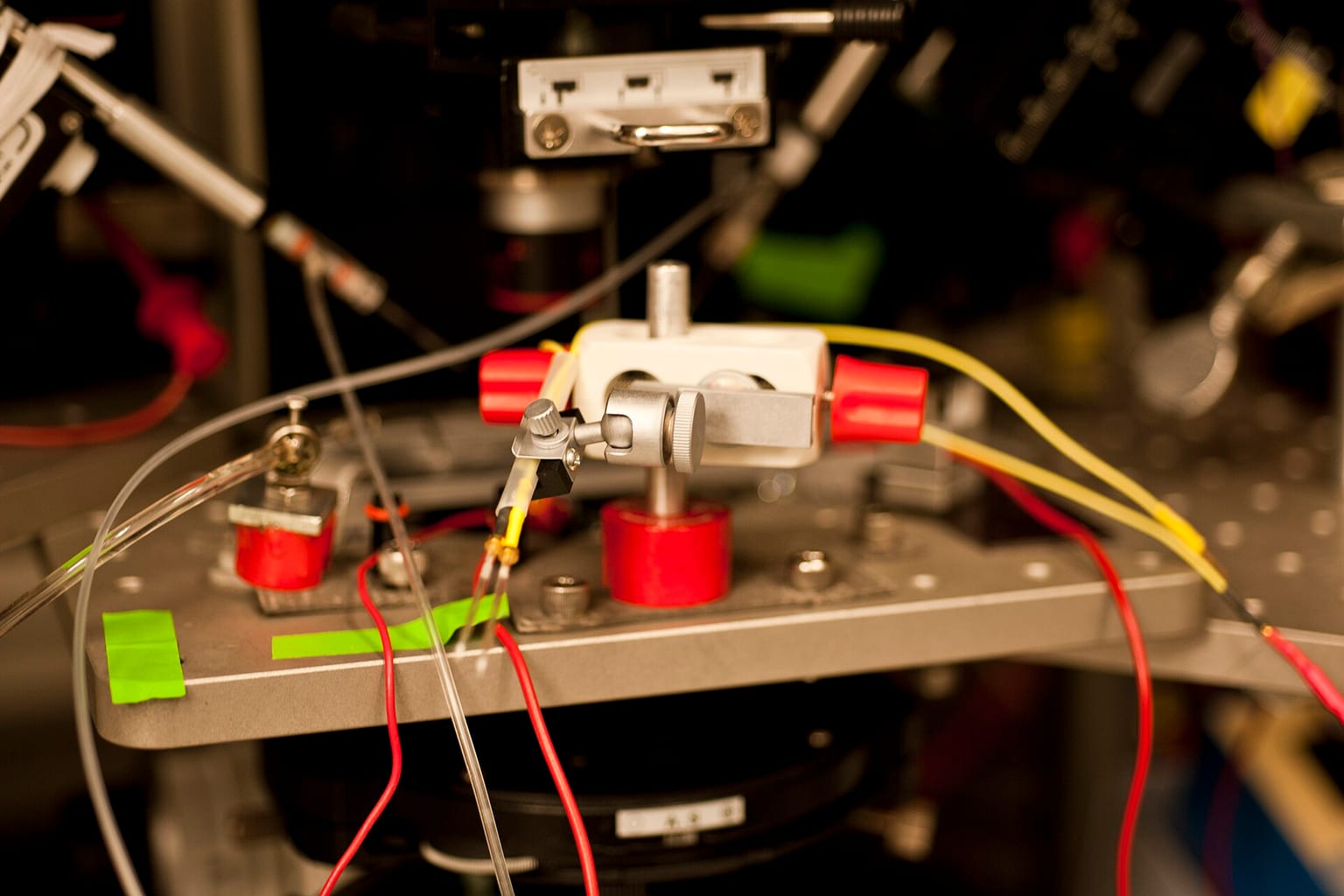
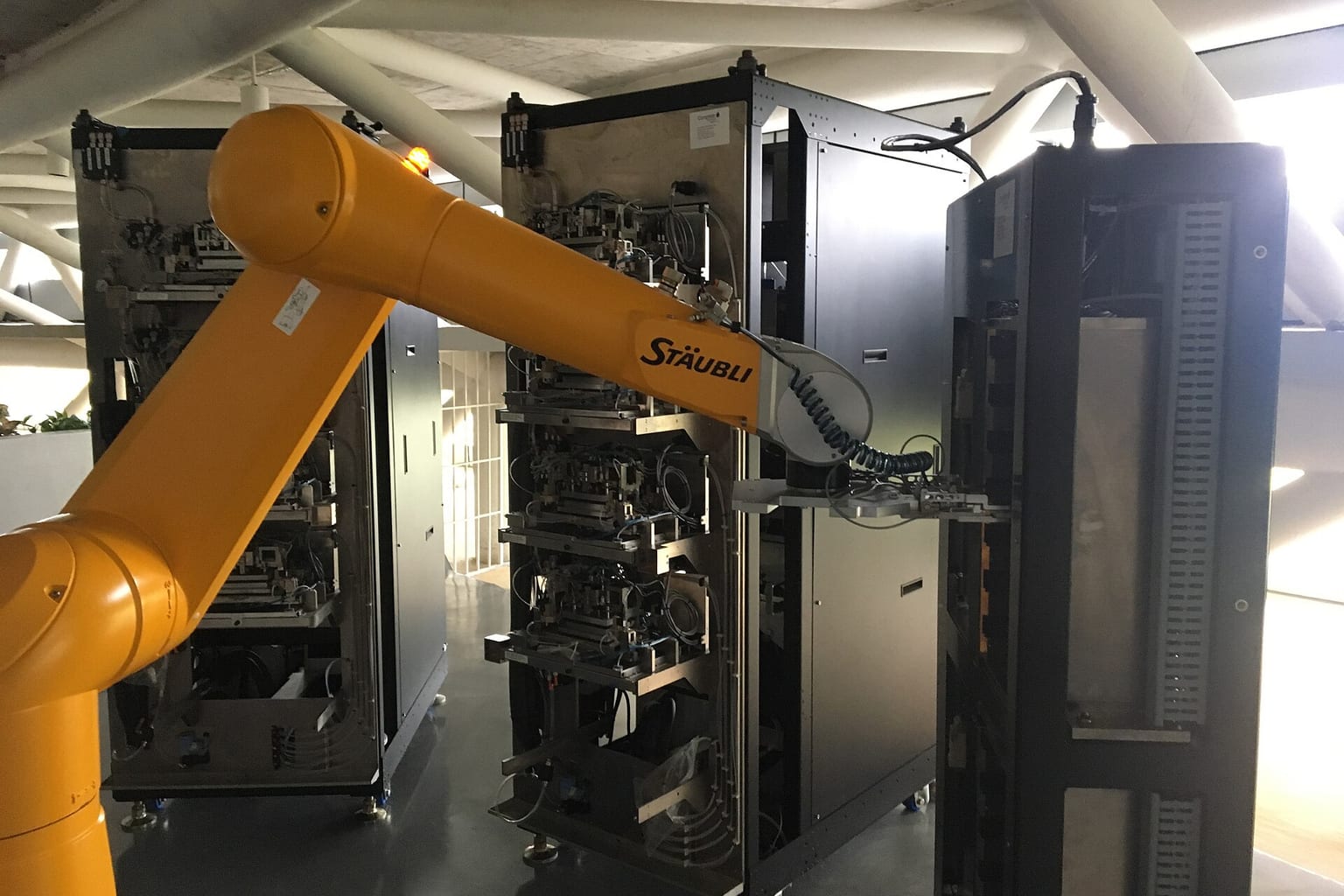
The SEED sensor reads many reactions on one electrode with light, not electrical current.
8 zeptomolesReactions measured in the lab, about 4,800 molecules

The study identified 127 regions of human DNA linked to Alzheimer's risk, 48 of which had never been mapped in this context.
48DNA risk regions for Alzheimer's never mapped before in this context, out of 127 identified, in genetic data from about 2.8 million people

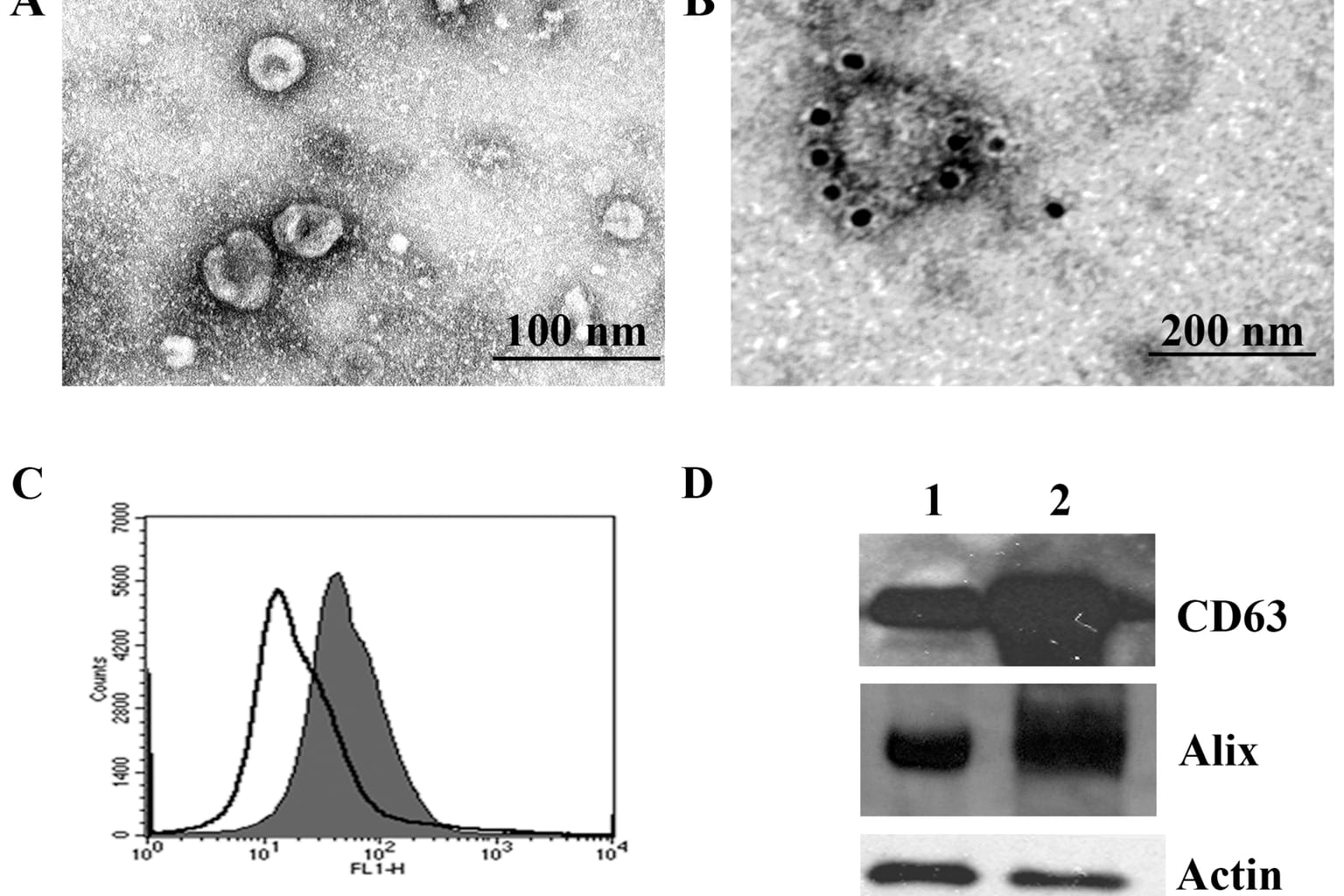
Carnegie Mellon chemists tag the body's own vesicles with a DNA label so they bind to chosen cells.

A family of mutations found in about 20% of human cancers works through one shared mechanism, researchers at Weill Cornell Medicine report.

Tumors disable the STAT2 immune-alarm gene by changing how its RNA is processed, with no DNA mutation.

UCLA researchers briefly squeeze cell nuclei to loosen packed DNA so CRISPR can switch on identity genes.
40%Share of mouse skin cells that became neurons with the squeeze as a priming step, up from about 3% with CRISPRa alone

Cas9 nickase cuts one DNA strand, not both, to shorten the CAG repeats that drive Huntington's disease.

In a screen of 768 patients with prostate, breast or ovarian cancer, 46 tumors had genomic instability that standard tests could not explain.
32 of 46Unexplained tumors resolved by long-read sequencing, among 46 flagged in 768 patients

In healthy cells, Wee1 also acts early in the cell cycle, switching off a complex that blocks DNA copying.
around half of all cancershave an inactive p53 protein, which leaves Wee1 as a backup brake

HRDPath, a King's College London model, flags a DNA repair defect from tissue images, without genetic analysis.
91%of HRD-positive ovarian cancer cases correctly identified from tissue images (approximately)

The engineered Cas13a enzyme detects viral RNA 100-fold better in lab assays, while staying stable at high temperatures.
100-foldSensitivity gain of the engineered Cas13a enzyme, measured in lab tests

Stanford and Arc Institute researchers had AI write complete genomes for viruses that target bacteria, not humans.
16working genomes designed from scratch by AI, per coverage of the study

Vitari, a compact benchtop DNA sequencer, is open for preorder, with deliveries expected by end-2026.
$100Element's target cost to sequence one human genome, versus $200 to $800 today

University of East Anglia researchers rebuilt bacterial genomes from DNA data that is normally thrown away.
249near-complete bacterial genomes recovered from 194 prostate cancer patients
Georgia Tech researchers made the first comprehensive map of embedded RNA fragments in human nuclear DNA.