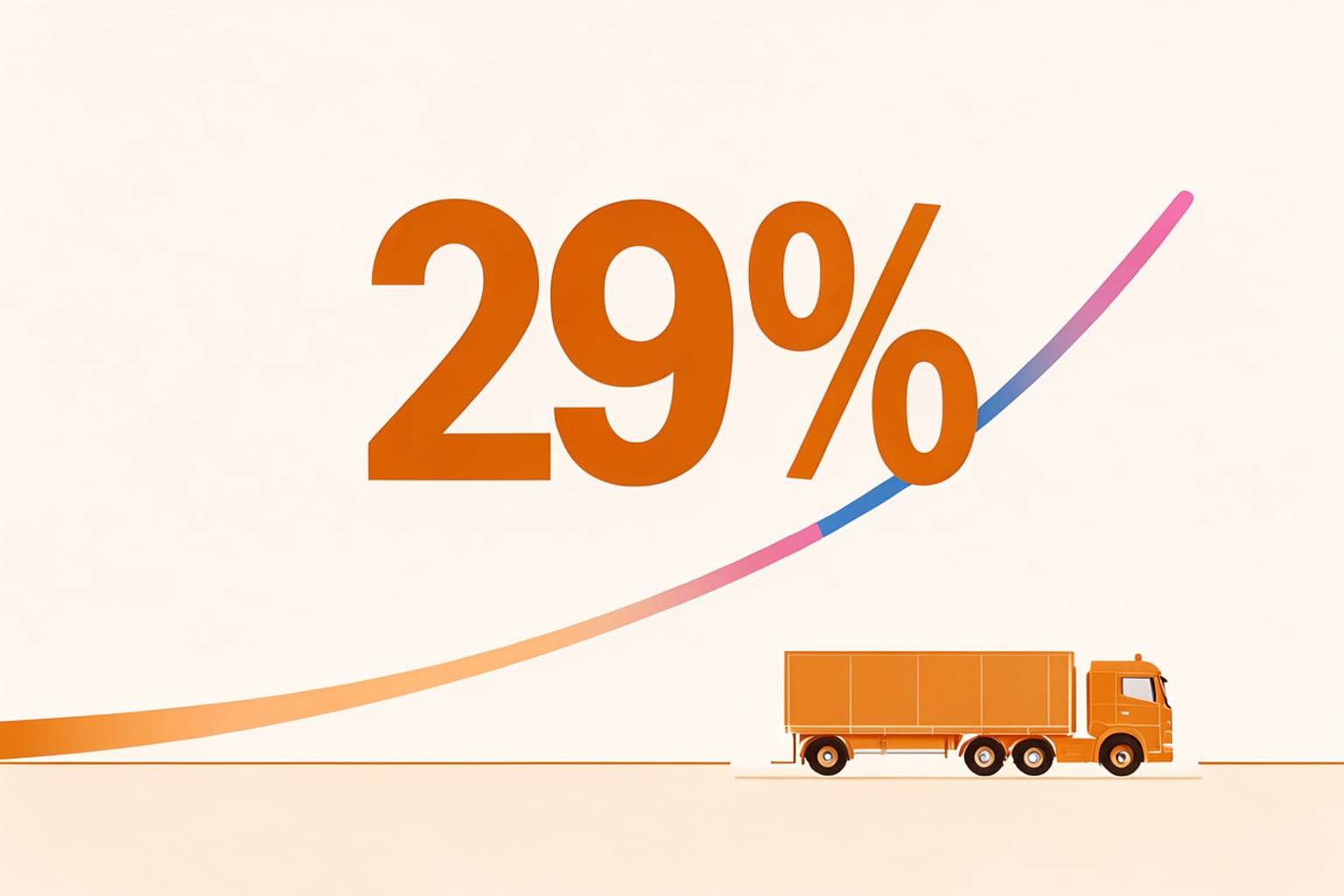
China's electric heavy trucks reached 29% of 2025 sales
In many Chinese cities, the question facing bus fleet buyers has changed. It is no longer whether to replace a diesel bus with a battery one. New urban buses are now essentially all electric, and the purchase decision is about which new electric bus should replace the electric bus bought during the first big wave of electrification.
That replacement cycle is the clearest sign of how far the transition has come. The International Energy Agency (IEA), which publishes the global energy data most analysts rely on, estimates that almost 70% of China's more than 680,000 electric buses were deployed before 2020. A large share of today's market is therefore older electric fleets being renewed, not diesel fleets converted for the first time. Policy has shifted accordingly: China's 2025 equipment-renewal programme explicitly supported replacing city buses, including full traction-battery replacement, and it continues into 2026.
Trucks are the fastest-moving category. Electric heavy trucks reached about 29% of Chinese sales in 2025, roughly twice their 2024 share. Their strongest markets follow the work: ports, mines, steel plants and industrial logistics give trucks fixed or predictable routes, high utilization, and places where charging or battery swapping can be set up at depots or along corridors. A private car may sit parked most of its life, but a working truck covers enough kilometres that lower energy and maintenance costs change the business case within a short time.
Coaches show the limits of that logic. Battery-electric coaches were only about 10% of Chinese coach sales in 2025, even though sales grew strongly. The reason is not just battery size. China ended 2025 with more than 50,000 kilometres of high-speed rail, and its railways carried more than 4.5 billion passenger trips during the year. High-speed rail offers one- to two-hour journeys across many 500-kilometre city clusters, so a battery coach does not have to capture every long-distance trip. Coaches will electrify, but their market is shaped by what rail has already taken.
For fleet operators, the practical gain is fastest where vehicles run many hours a day: lower running costs arrive sooner, and the investment is easier to justify. For buyers of passenger cars, the IEA estimates that nearly 70% of battery-electric cars sold in China were cheaper than comparable conventional cars before incentives, so the choice is now made on price rather than on subsidy. For countries with a low national EV share, the lesson is that segments move at different speeds. A national average can hide a bus fleet already being renewed, a truck market accelerating, and a coach market held back by rail.
The data also needs care. Chinese sources have used overlapping categories such as "new energy bus," and successive IEA editions have revised their classifications. The exact shape of the early bus curve is therefore less certain than the broad pattern: urban buses moved first and are now being replaced, cars are mainstream, trucks are climbing quickly, and coaches remain much less electrified.
Comments
Loading the thread…
Sign in to leave a comment. Sign in