Only 1% of AT&T's eligible customers still use copper lines
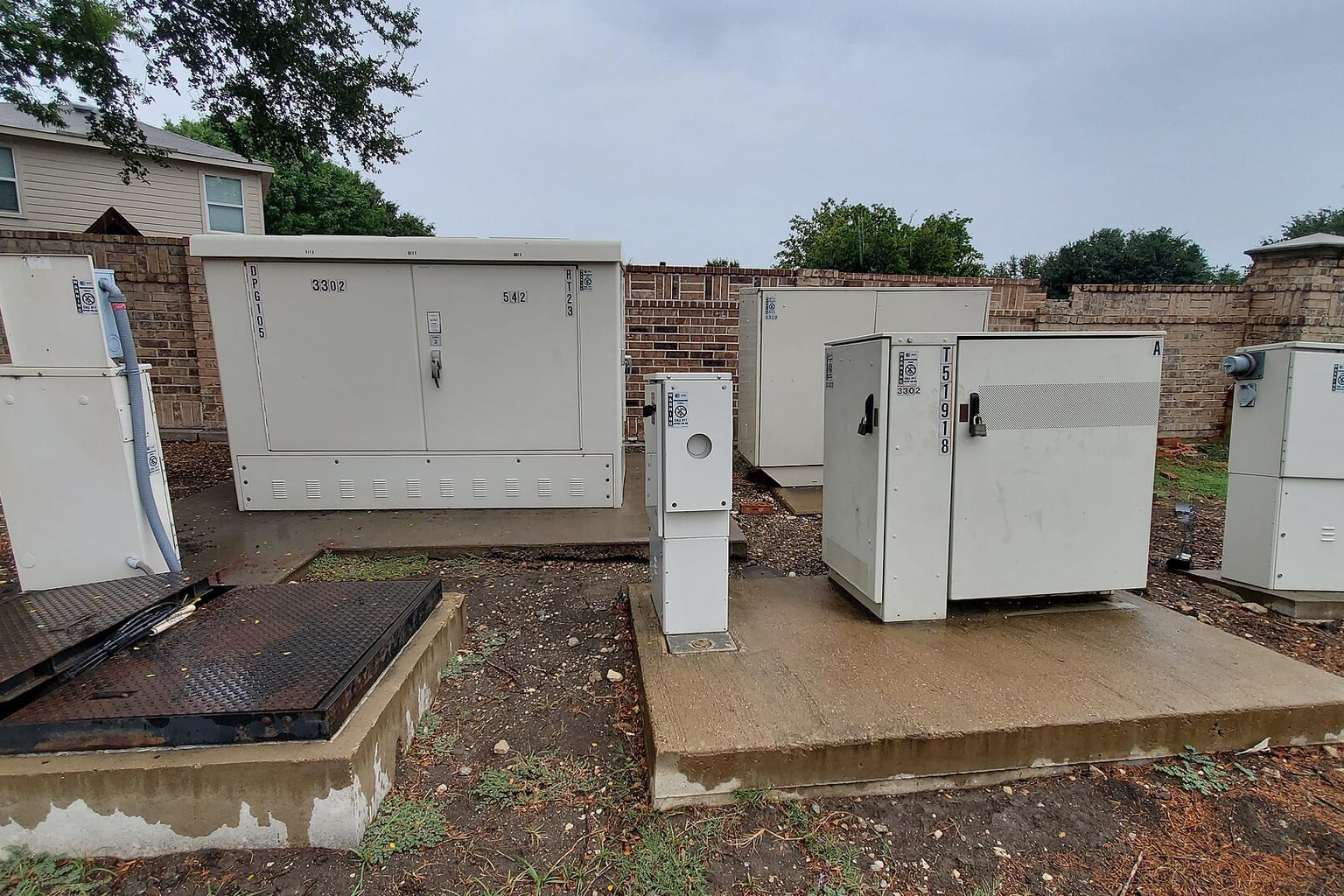
Somewhere in AT&T's network, a copper line that has carried voice calls for decades is on its way out. For the carrier, this is now routine: only 1% of its eligible customers still use copper voice lines, the company says. When AT&T executive Susan Johnson gave the figure for residential customers, 5% were still on the legacy technology. The share has fallen quickly.
The company's plan is to exit its copper network in the majority of its footprint by the end of 2029. The work is already well advanced. AT&T says it has discontinued copper-based services in more than 500 communities, covering 1.3 million locations across 18 states. More than 100 of its wire centers, the exchanges where copper lines connect to the network, have been powered down. AT&T describes them as outdated and power-hungry, and the company says the shutdowns are now in what it calls a scaling phase.
The pace is not the same everywhere. AT&T operates 615 wire centers in California, and it has filed with the Federal Communications Commission (FCC) to decommission about 36 of them. Under FCC rules, the company can start that process in California on or after June 1, 2027. In May, AT&T filed a lawsuit in California seeking to override state requirements that it believes are preventing copper retirements. Among the nearer milestones, the FCC has approved the shutdown of more than 30% of AT&T's wire centers by the end of 2026. Opposition is part of the picture too: a review of recent filings in FCC dockets, provided by an industry source, counted 1,078 confirmed complaints against AT&T.
For customers still on copper, the move matters most in the places where the switch comes first, and it is the fiber network that carries the change. AT&T plans to reach 60 million locations with fiber across the United States by 2030, and says it is close to 40 million today. The same network is useful in a crisis: during California's wildfires, AT&T says it quickly deployed temporary cell sites to restore wireless service. Customers in the communities where copper has already been retired are the first to see the switch. Customers in California will have to wait until 2027 at the earliest.
Sources — read the originals(Paris time)
Pages consulted while writing
Comments
Loading the thread…
Sign in to leave a comment. Sign in