Seven Taiwanese solar firms form back-contact cell alliance
On a single production chain, Taiwan's solar makers now have a shared goal: a cell design built on the rear contacts, made entirely at home. The Industrial Technology Research Institute (ITRI) has announced a TBC Photovoltaic Technology Alliance that brings together seven domestic solar companies. The name refers to TOPCon back-contact cells, a design in which both electrical contacts sit on the back of the cell rather than the front.
The alliance is meant to do more than pool research. Its stated purpose is to build a domestic supply chain for this technology, linking the materials, manufacturing equipment and cell production that a finished solar cell depends on. ITRI presents it as a way to strengthen Taiwan's photovoltaic supply chain and to bring TBC cells to market, in a sector where the manufacturing base is concentrated and competition is fierce.
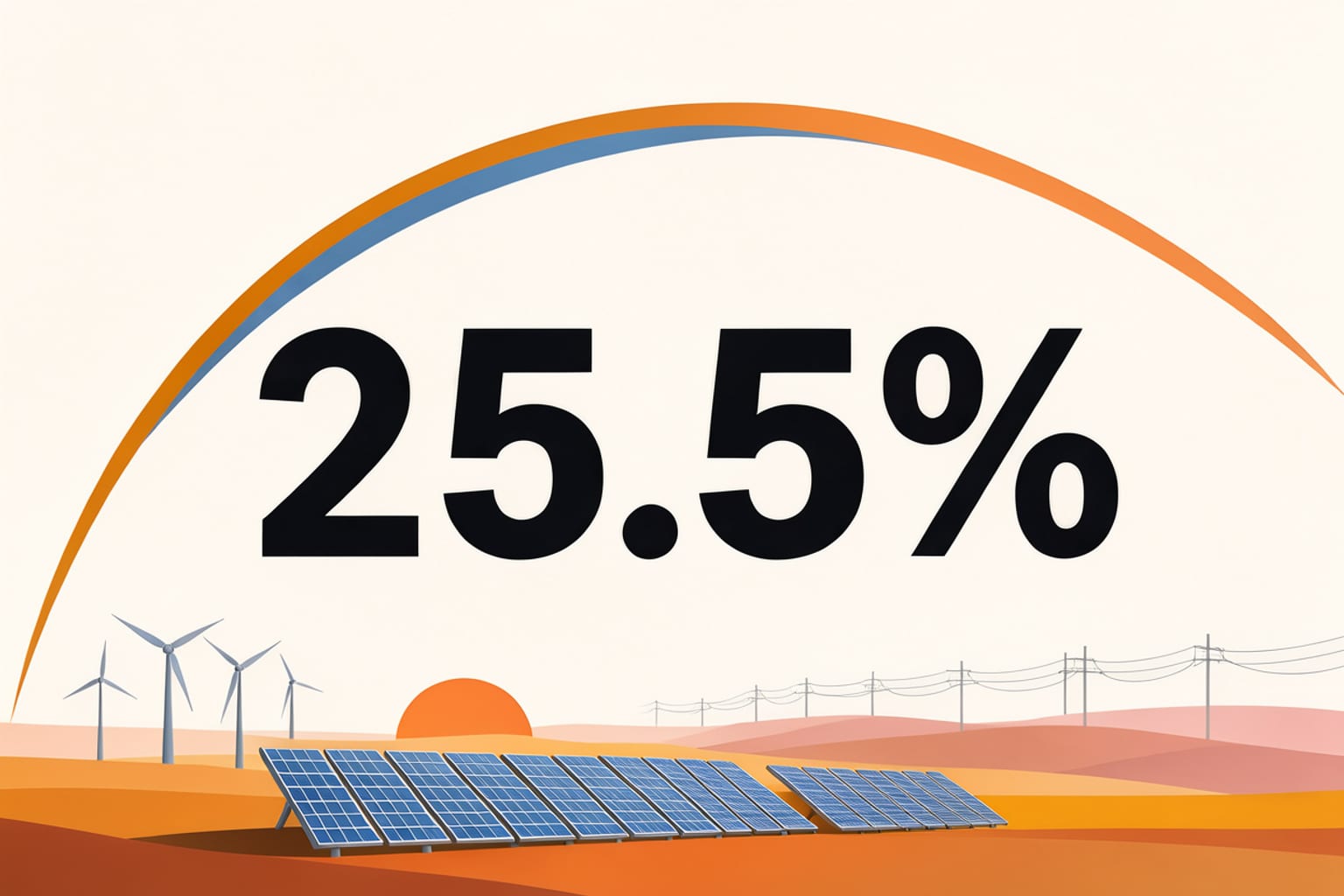
The performance claim is the most eye-catching part of the announcement. The TBC cells developed by the Taiwanese manufacturers reach a power conversion efficiency of around 25.5%, according to the local outlet Formosa News. The report does not say whether that figure was independently certified, or whether it was measured in a laboratory or under production conditions. Until it is confirmed, it stays a company-side figure. ITRI's second development is more concrete: a laser-assisted electrode using silver-coated copper, designed to cut the amount of silver each cell consumes. The technology could reportedly lower cell production costs by 8%, and generate about TWD 200 million ($6.3 million) in annual production value.
So what changes, and for whom? For Taiwan's manufacturers, the alliance offers a route to higher-value segments of the market, through better efficiency and advanced cell processes. For buyers of solar panels, the potential gain is a cheaper cell if the silver-saving process moves from pilot to factory. The announcement, however, gives no timetable, no production volumes and no price. It does not say when a TBC cell from this alliance could be sold, nor in what quantities. What it does show is a group of companies that have chosen to build the chain together rather than one by one, and an institute that has put a cost-cutting process on the table alongside a headline efficiency figure still waiting for independent confirmation.
Comments
Loading the thread…
Sign in to leave a comment. Sign in