AILab
Optical AI framework cuts computation
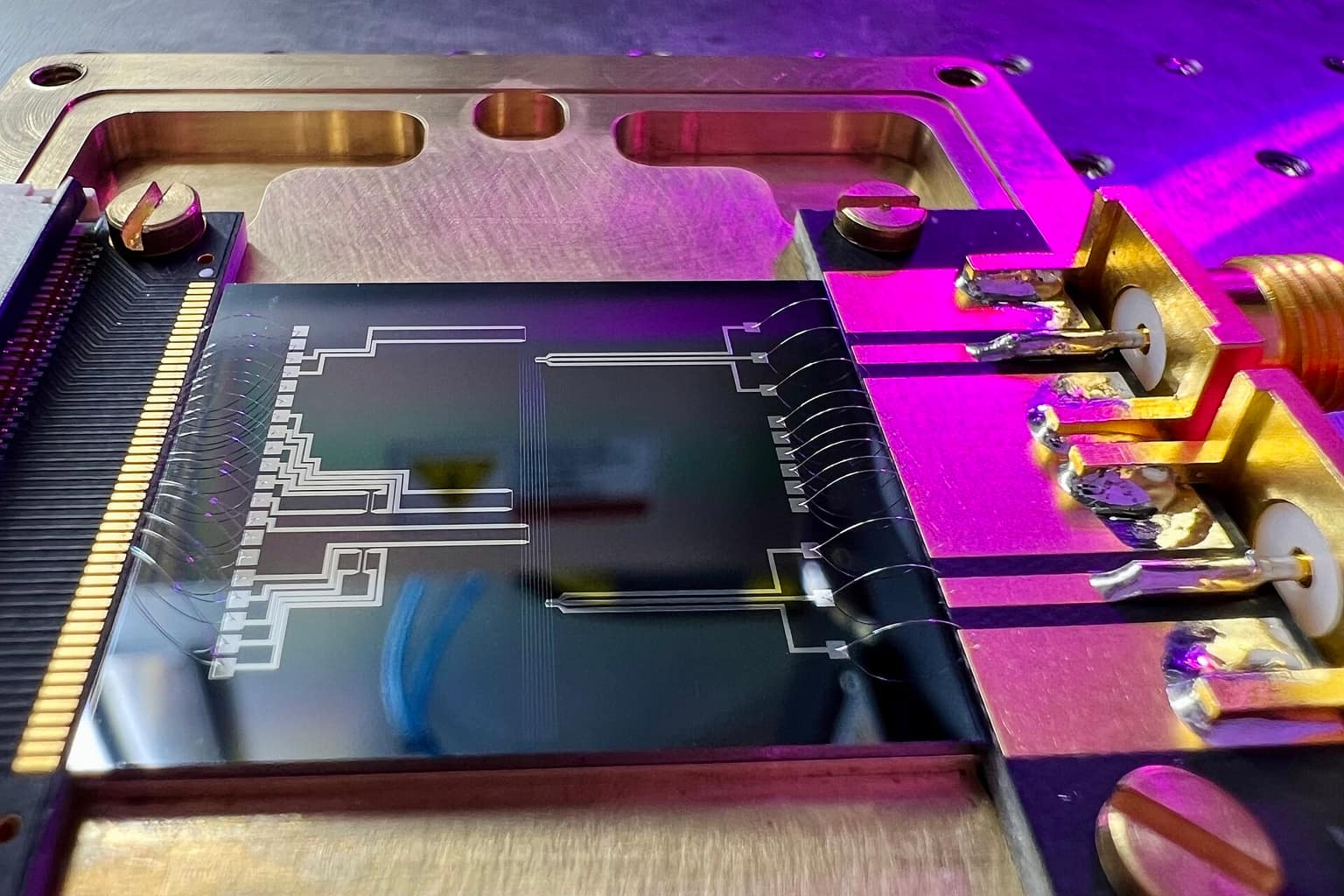
A University of Tokyo team, with NTT researchers, cut the computation AI training needs, shown on a light-based system.
Written by AI2 min1 source
Models, agents, applications: artificial intelligence put to work on real problems.
Here, artificial intelligence is judged on the evidence: what it does, for whom, at what cost. The section follows models and their measurable progress, agents doing real work, and above all deployments — a hospital screening more patients, a power grid better balanced, a public service answering faster. AI-as-spectacle, productless funding rounds and prophecy get no space.
We favour documented use cases with the numbers attached: how many examinations, what error rate, what savings. Non-Western players — Chinese, Indian, Emirati labs — are covered on the same footing as American ones, because much of the real deployment happens there. Every article cites its sources and separates the prototype from the service in production.
A University of Tokyo team, with NTT researchers, cut the computation AI training needs, shown on a light-based system.

ByteDance's Doubao Work ranks first of eight Chinese office agents, scoring 85.33 in SuperCLUE's October 2026 run.
85.33Doubao Work's overall score in SuperCLUE's October 2026 office-agent benchmark, the top result; a vendor-run test
It corrects mislabeled objects in a robot's 3D memory, such as a defibrillator logged as a fire extinguisher.
92 percentof objects' ambiguity resolved with just two extra views each, in MIT's tests
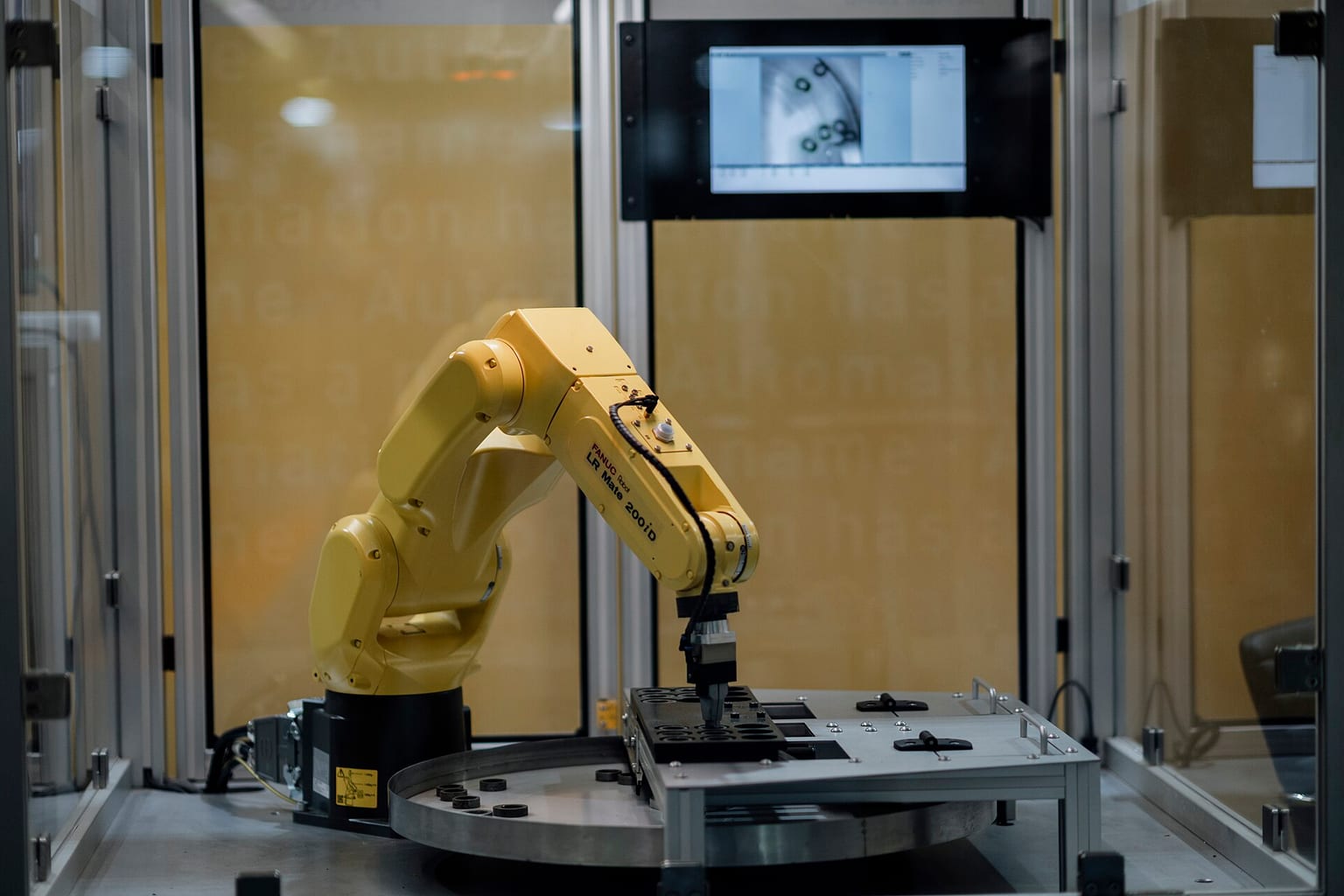
China Merchants' LionRock lab releases Lion-ER, an open model that helps robots reason about 3D space and task progress.
+9.30 pointsGain on a spatial placement test against the base model, in the lab's own benchmarks
OpenAI's automated pipeline found 948 distinct Linux kernel flaws that let a local user gain root access.
948distinct Linux kernel flaws allowing root access, found in one run; 166 in July's run
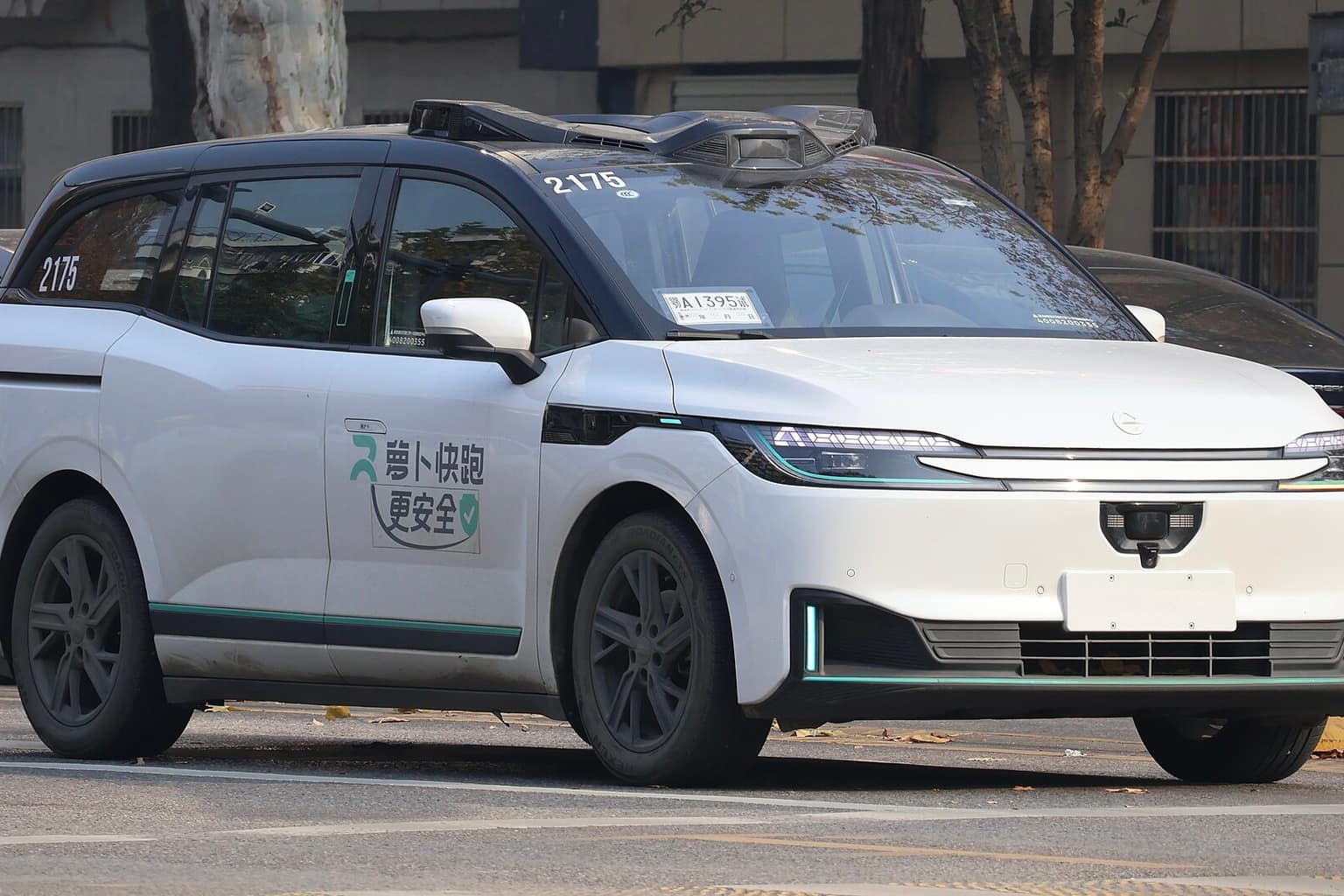
One day of virtual road tests equals about three years of real driving with a safety driver, Baidu says.
about three yearsof virtual road tests in one day, the equivalent of a real test car with a safety driver
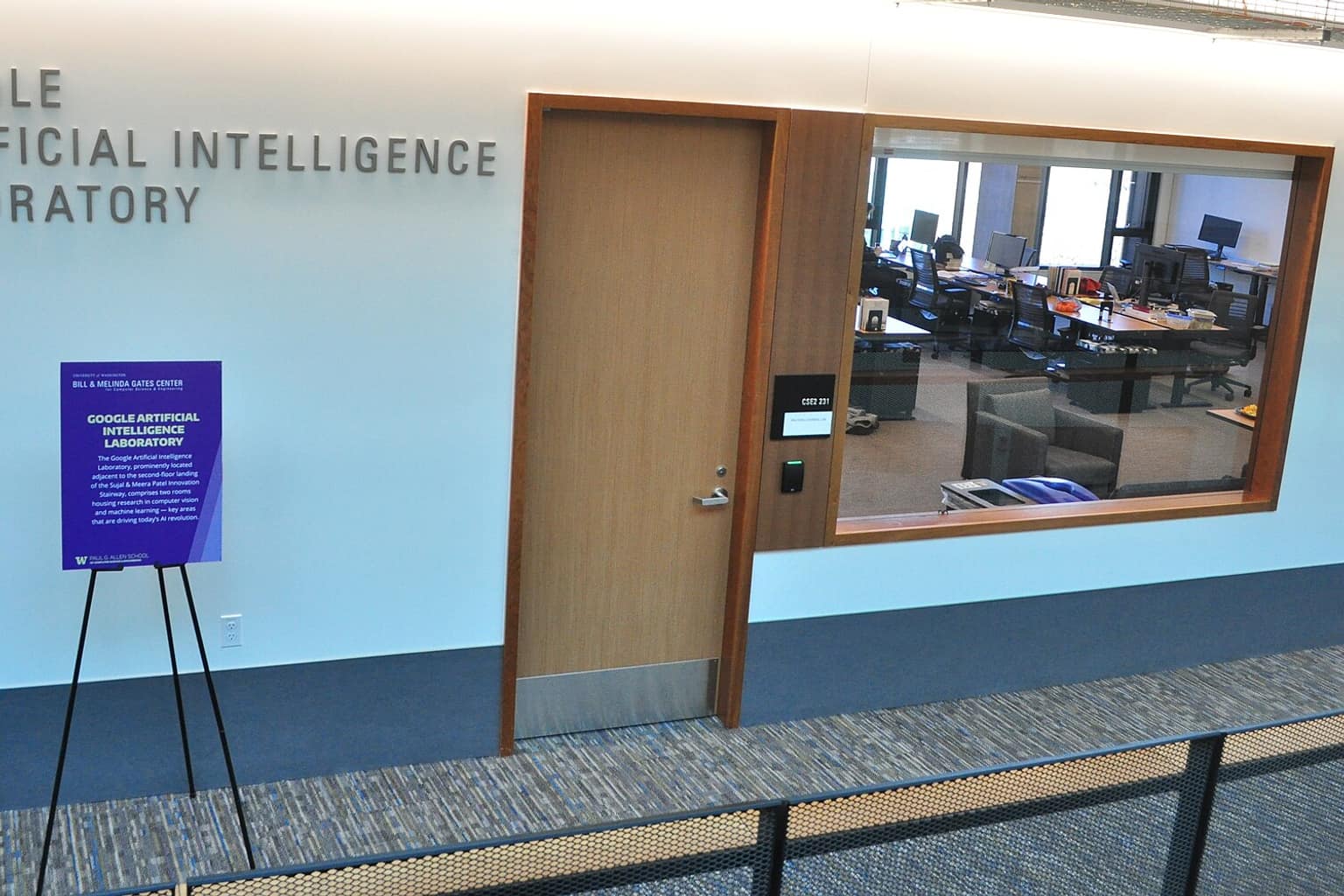
Google Research's Agile Deliberation turns AI labeling into a back-and-forth where users refine their own category definitions.
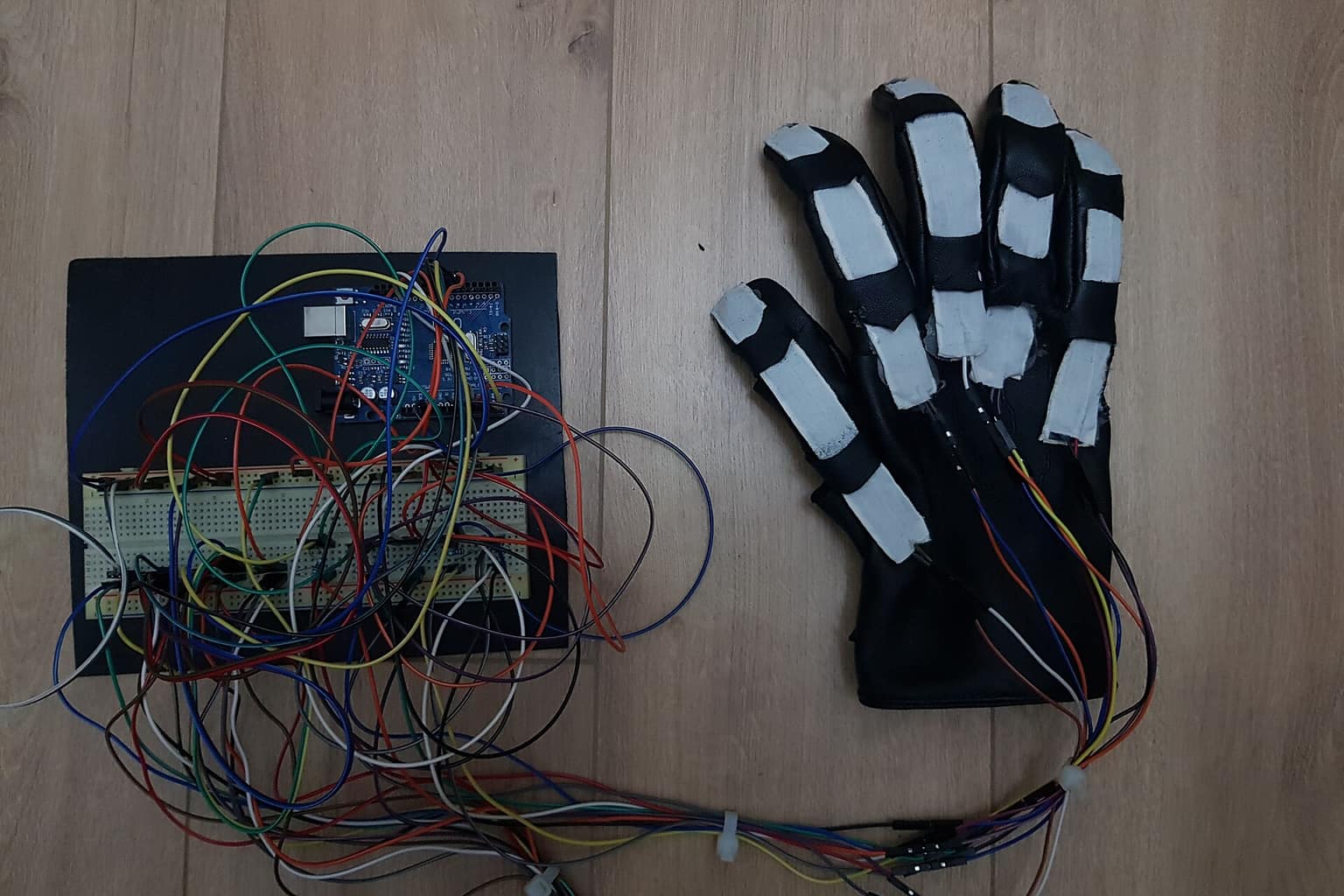
Liber-0 reached 36.0% overall success on 60 tasks for which no robot demonstrations were collected, across 600 trials.
36.0%Overall success on 60 new tasks with no task-specific robot training, company tests

Xpeng's perception model scored 73.68 against 71.54 for OpenAI's GPT-6 Astra across 34 public benchmarks.
73.68Perception score across 34 benchmarks, vs 71.54 for GPT-6 Astra (company figures)

Ant Group's pharmacy robot runs in several Guoda Pharmacy stores in Shanghai, in an 80 cm aisle.
2.2 millionLingBot robot models downloaded in nine months, open-source, according to the company
The goal is to show that an answer really came from the model a user thinks they are using.

According to OpenAI, two staff used GPT-6 and Astra for the enclosure, circuit board, interface and software.
23-foldGrowth in usage across OpenAI's hardware teams, February to October, per OpenAI

A Seoul research team built an AI pipeline that cross-checks structural calculations against drawings.
253design discrepancies flagged in one residential case study, without BIM software
Pinal writes a protein's amino acid sequence from a plain-language description, with no hand-set geometry.
1.7 timesBest carbon-capture helper vs natural E. coli protein, in lab tests
Researchers from USC, MIT, UC Berkeley and the Psychology of Technology Institute built the open ImpactBench platform.

Changing only 131,072 parameters, about 0.016% of the total, raised Qwen3.5-0.8B's MATH-500 math score from 7.9% to 48.1%
48.1%MATH-500 math score, up from 7.9%; lab result measured by the research team

A Tsinghua and Zhejiang University agent proves in Lean 4 that a level cannot be won, a check machines can rerun.
99.9Score on the 25 public games, up from 40.7, with Claude Opus 5 as player (paper's tests)
HKUST's HarnessSQL puts a database agent on DeepSeek's open-source Harness framework, trained in two stages.
45.2%Score of the 8B model on Spider 2.0-SQLite, up from 15.5% before training (lab results)