AI
MIT tracks what AI chatbots tell voters ahead of the midterms
MIT researchers built the LLM Election Observatory, a dashboard that re-runs the same election questions on AI chatbots.
Written by AI2 min1 source
Models, agents, applications: artificial intelligence put to work on real problems.
Here, artificial intelligence is judged on the evidence: what it does, for whom, at what cost. The section follows models and their measurable progress, agents doing real work, and above all deployments — a hospital screening more patients, a power grid better balanced, a public service answering faster. AI-as-spectacle, productless funding rounds and prophecy get no space.
We favour documented use cases with the numbers attached: how many examinations, what error rate, what savings. Non-Western players — Chinese, Indian, Emirati labs — are covered on the same footing as American ones, because much of the real deployment happens there. Every article cites its sources and separates the prototype from the service in production.
MIT researchers built the LLM Election Observatory, a dashboard that re-runs the same election questions on AI chatbots.

Drone images and an AI model measure each steer's width-to-length ratio to chart weight gain, with no scale.
a weekearlier than conventional methods flagged the best sale window, in a 110-head field test

NYU Tandon and Radboud researchers built AdLens, an AI tool that flagged thousands of deceptive Google ads.

A University of Florida team built ATLAS, which catches an AI agent drifting from its assigned task mid-process.
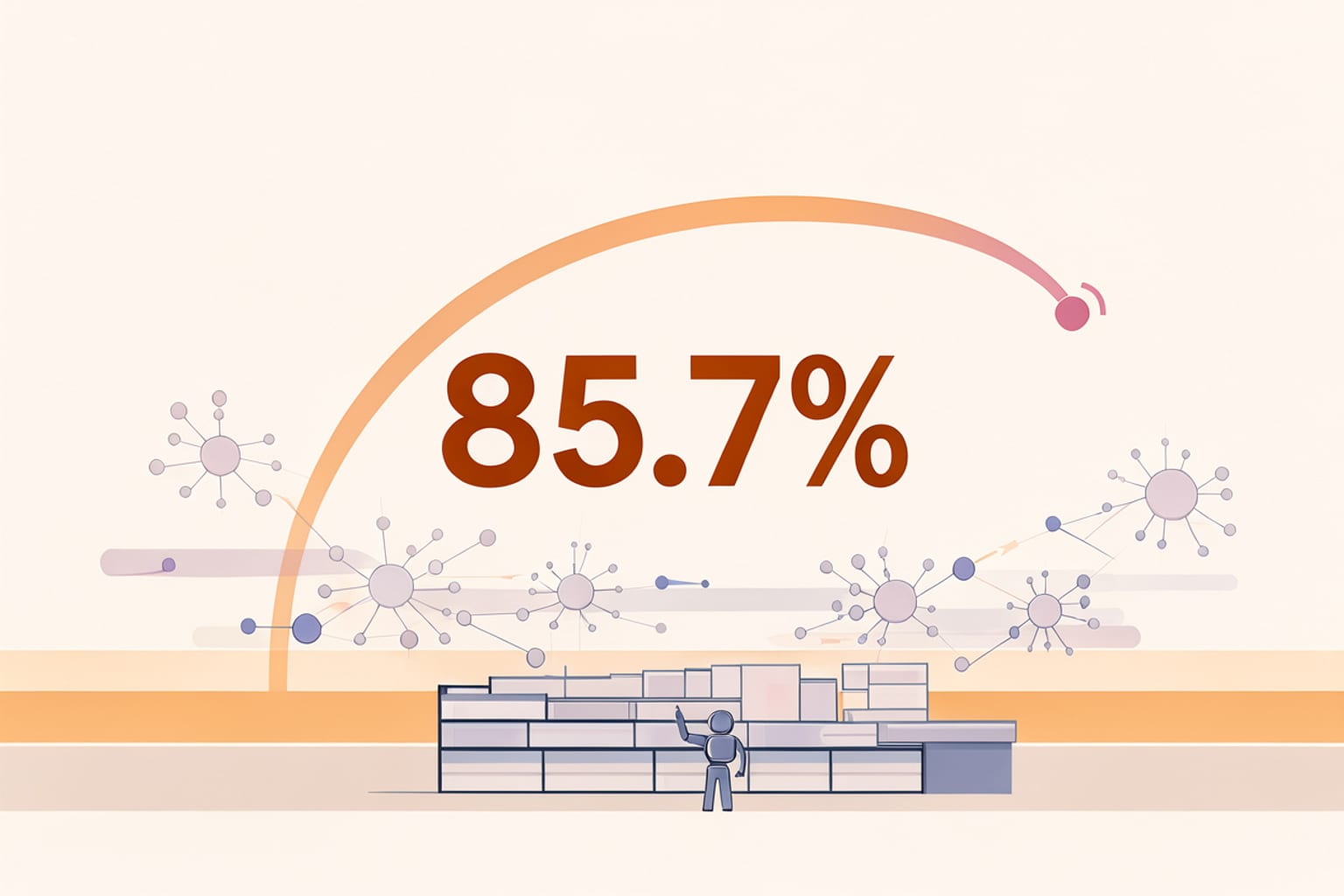
In a real convenience store, AgiBot's G2 robot rose from 28.6% to a stable 85.7% success in five days.
85.7%Task success in a real convenience store, up from 28.6% on day one (company figures)
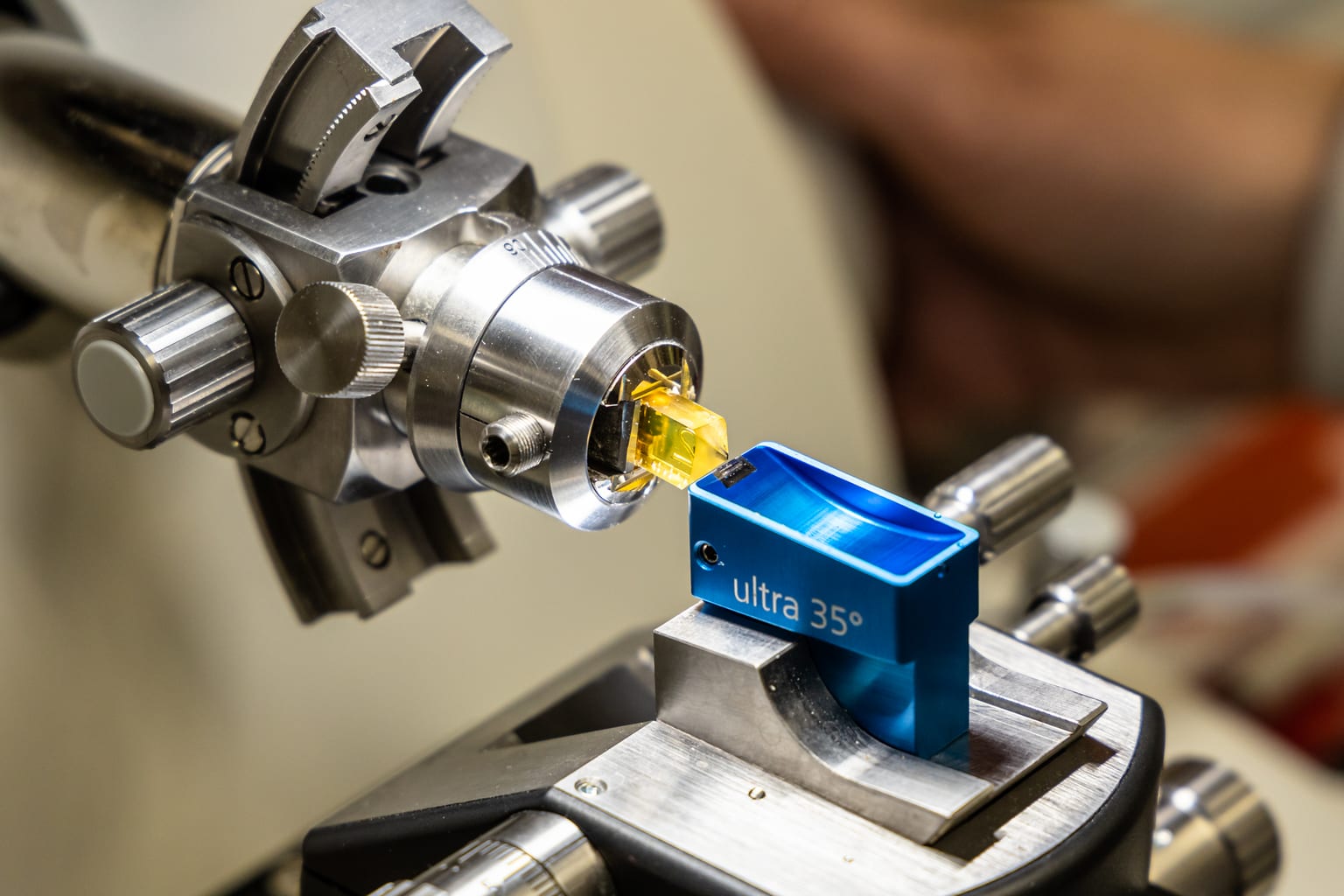
At Berkeley Lab, TEM Agent runs a transmission electron microscope from plain-English requests.

Researchers at Tel Aviv University have demonstrated a method to infer smartphone passwords from finger movements captured by smart glasses
The 8B-parameter model takes text and camera instructions over several turns, and keeps the scene consistent.

After a Hugging Face security incident, OpenAI expanded its four-layer system for spotting rogue model behavior.
more than 30 hoursWarning ahead of the breach, in OpenAI's replay of the incident

PixelDiT2 lets users adjust individual pixels while nearly matching leading latent-space image generators.

Mistral has published the weights of its flagship Large 4 (ML4) model on Hugging Face, after additional training.
41%Programming success rate (Terminal-Bench 4.0), up from 28% – according to Mistral

When launching new models, AI companies increasingly rely on playable games built from a single prompt instead of raw benchmark scores.

Google's Gemini 4 Carbon scored 59 on the AA Intelligence Index v5.0, ahead of Anthropic's Claude Opus 5.5 (58) and OpenAI's GPT-6 Astra (57).
59 pointsTop overall on AA Intelligence Index v5.0; highest rival score is 58 points
Google says its Gemini 4 Carbon is twice as likely as Argon to write code free of vulnerabilities.
Twice as likelyto write code free of vulnerabilities than Argon, per Google's own figures
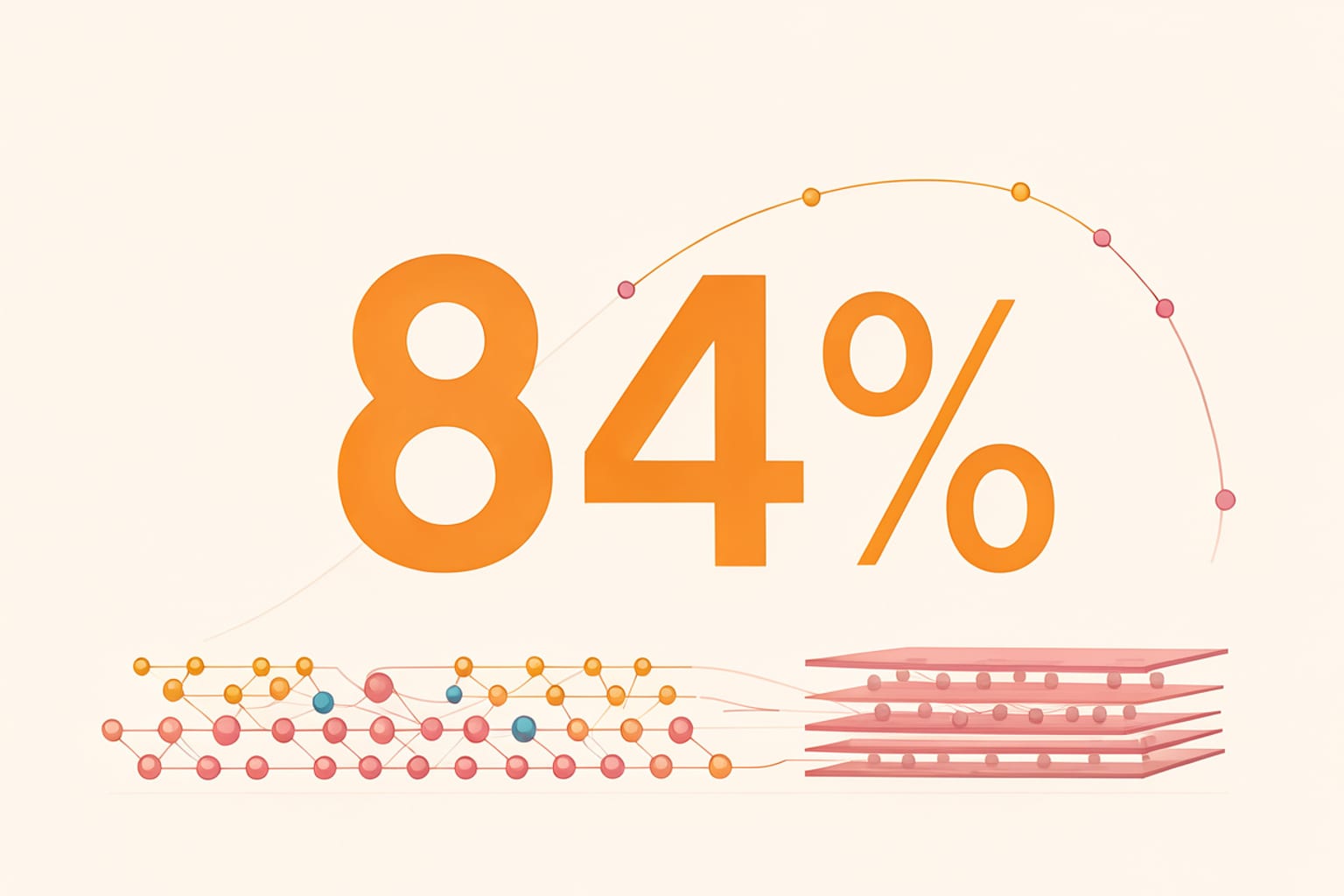
A model learns when human corrections improve a decision, then automates the rest: about 84% in the study.
84%of decisions automated, human input kept where it improves the AI, in a study of 475,000 orders
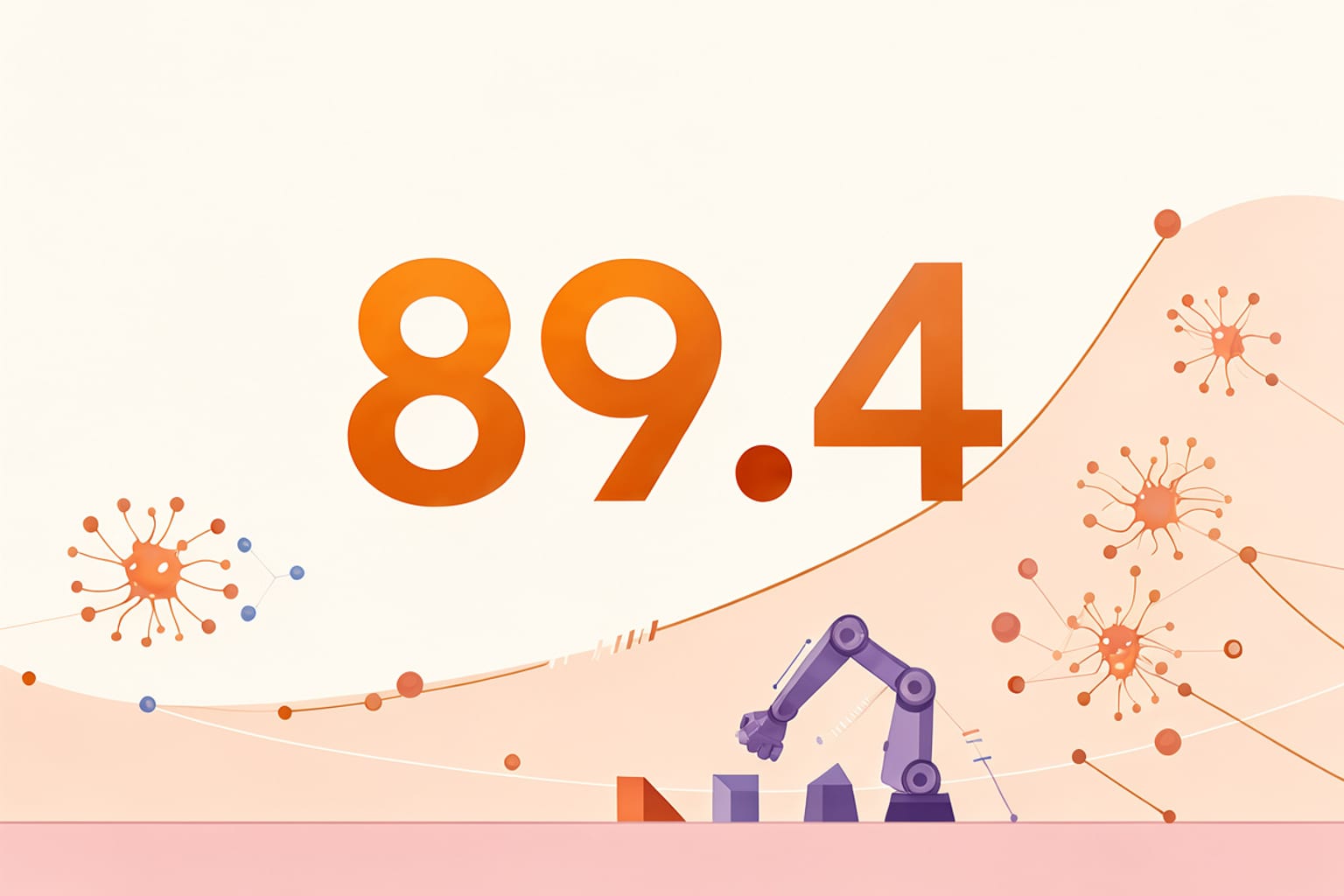
Seven models tested: arm motion predicted well, with Cosmos 3 at 89.4 on the arm but 45.4 on the object.
89.4Cosmos 3 arm-motion score on AgiBot G2 data; its object score was 45.4

The ArtCraft project now offers clones of Photoshop, AutoCAD and PowerPoint, all free and open source.
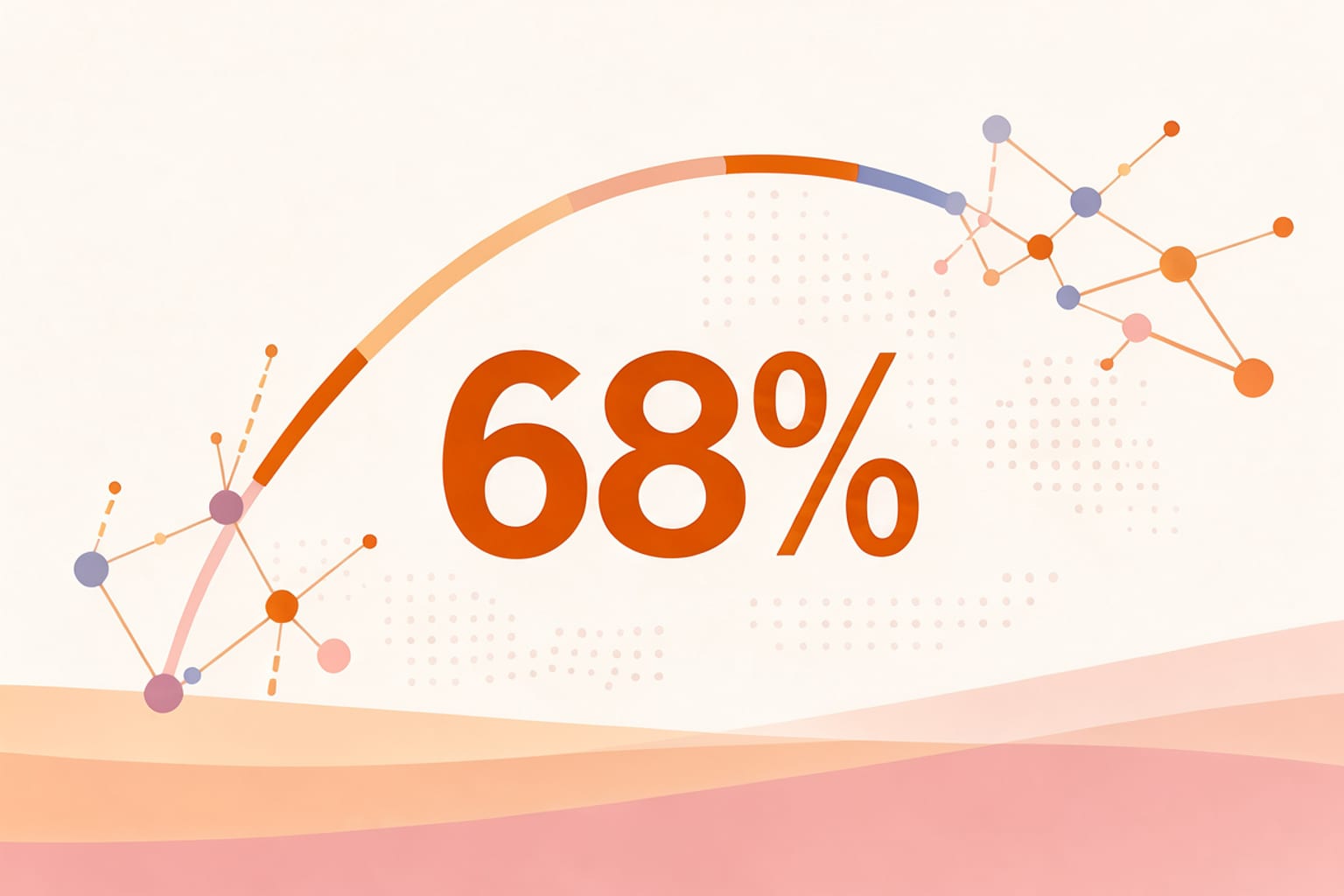
Ant's Ling team has opened the weights of Ling-3.1-flash-1019 and its base model under the MIT license.
68%Process automation score on AutomationBench-AA, up from 62%, per Ant's own testing