Aerogel adds up to 5.2°C of passive cooling in outdoor tests
A transparent aerogel coating gave up to 5.2°C of extra cooling over bare SDRC coating in Hong Kong
5.2°Cextra cooling vs bare SDRC coating, Hong Kong outdoor test
Carbon capture, recycling, new materials, agritech: the engineering that puts matter back into circulation.
Ecotech is the engineering that puts matter back into circulation: capturing carbon instead of letting it escape, reusing what was thought fit for the landfill, swapping a heavy material for a clean one. This section follows recycling pilot lines — solar panels, wind-turbine blades, plastics — carbon capture and use, low-carbon cement and steel, and the agritech that grows more with less water and fewer inputs.
We report what can be measured: a recovery yield, a cost per tonne, a plant opening, a process moving from the lab to the production line. Every article cites its sources — often industrial announcements or scientific papers the general press never picks up — and separates what is already running from what is still a prototype. This is the raw material of progress, in the most literal sense.


A transparent aerogel coating gave up to 5.2°C of extra cooling over bare SDRC coating in Hong Kong
5.2°Cextra cooling vs bare SDRC coating, Hong Kong outdoor test

A small voltage deposits silver from a gel onto the glass, turning a tinted pane opaque for shade and privacy.
3.4°Ccooler than quartz glass on average, in small outdoor test enclosures

University of Queensland engineers let molecules move faster through nanochannels without losing separation precision.
10-foldbetter separation accuracy than a standard filtration membrane, in lab ethanol–water tests

Magnetic-field caloric prototypes now exceed 3 kW, and mechanically driven ones have passed 1 kW.
over 3 kWMagnetic-field cooling prototypes, per the KIT review, up from pure lab demonstrations

Adding platinum atoms to molybdenum disulfide raised its nitrogen dioxide response 22.8-fold in lab tests.
22.8-foldResponse to nitrogen dioxide boosted by adding platinum atoms, in lab tests

Built by UNICAMP and Princeton, it prices the investment needed year by year through 2050.

A Nature Energy study reports reactive CO2 capture lasting more than 1,000 hours.
1,000 hReactive CO2 capture sustained beyond 1,000 hours, per the study title

Baylor University researchers aged three common plastics by accelerated oxidation to mimic wastewater plants.

TU Berlin chemists break silicone down into its basic building block, ready for reuse
99%of silicone recovered as reusable base molecule, for some products after 24 hours (lab tests)

Nitrate from farm runoff and sewage becomes ammonia with electricity, not Haber-Bosch's high heat and pressure.
98.95%Peak share of electrical charge turned into ammonia, in lab tests

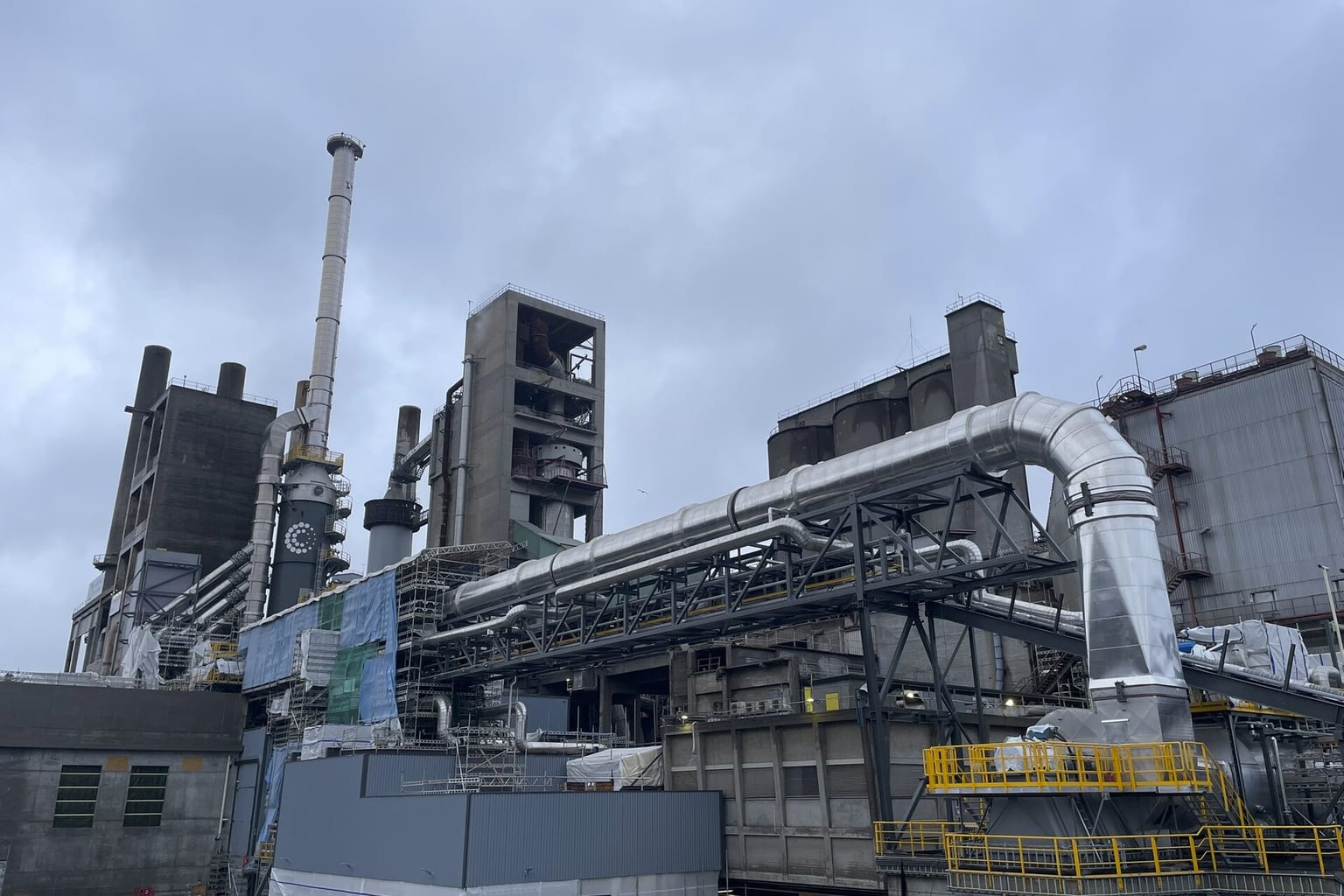
Hydro produced its first aluminum with HalZero on October 19, in a pilot at Herøya, Norway.

A lab reactor combined electrochemistry and yeast to turn CO₂ into itaconic acid, a bio-based chemical.

Kew's open-access platform SeedPOD launched on October 13 to bring native seed data together in one place.

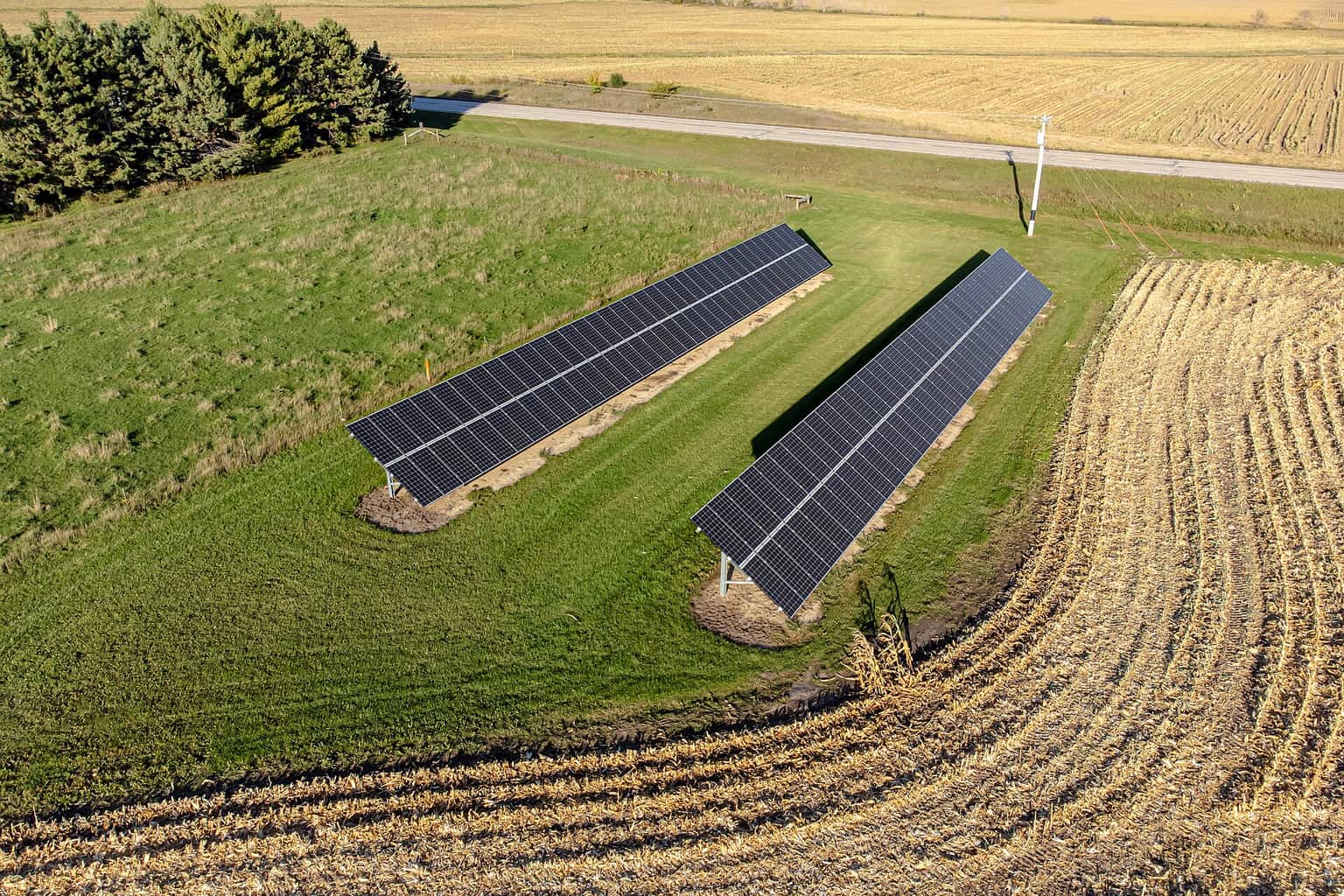
Silver is under 0.03% of an old solar module's weight but nearly half its recoverable value, according to the researchers.
94.34%of the silver recovered from old solar cells in lab tests, with no acid

A pilot system in Viladecans now produces urea fertilizer directly in an agricultural setting.

The team changed the reaction environment instead of the molecule's design, using pressure rather than new chemistry.

Rice University chemists recovered about 90% of the antimony from flame-retardant e-waste plastic in lab tests.
approximately 90%of antimony recovered from flame-retardant plastic, in lab tests

Geological CO₂ storage reached 43.6 million metric tons in 2024, more than double the 2016 level.
43.6 million metric tonsCO₂ stored underground in 2024, more than double 2016