Kawasaki delivers LNG supertanker cutting NOx by up to 85%
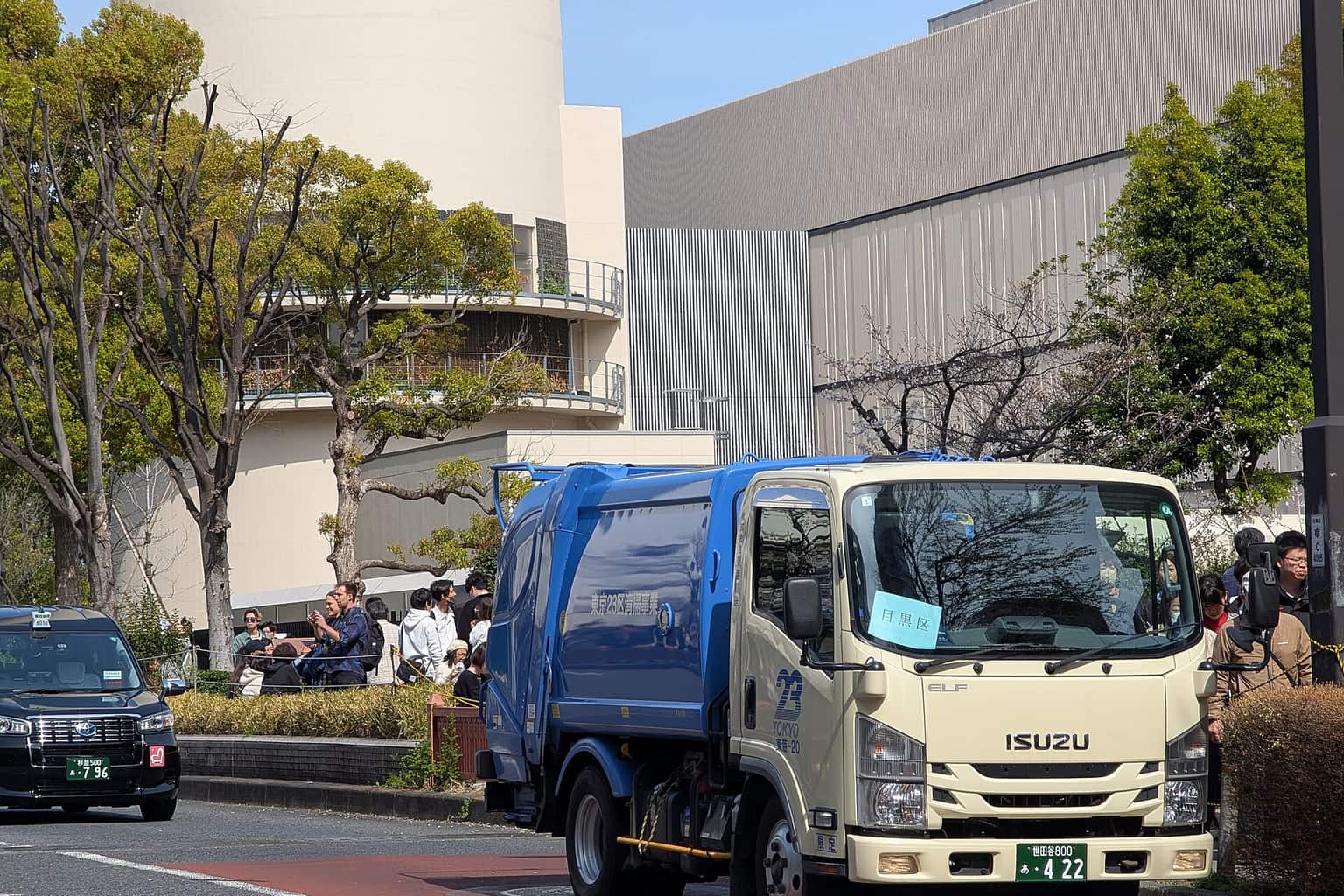
Kawasaki Heavy Industries delivered the 310,020-ton Tsurugidake to Sequoia Navigation on October 14, 2026
up to 85%Less nitrogen oxide, per Kawasaki's estimate, versus conventional engines
Carbon capture, recycling, new materials, agritech: the engineering that puts matter back into circulation.
Ecotech is the engineering that puts matter back into circulation: capturing carbon instead of letting it escape, reusing what was thought fit for the landfill, swapping a heavy material for a clean one. This section follows recycling pilot lines — solar panels, wind-turbine blades, plastics — carbon capture and use, low-carbon cement and steel, and the agritech that grows more with less water and fewer inputs.
We report what can be measured: a recovery yield, a cost per tonne, a plant opening, a process moving from the lab to the production line. Every article cites its sources — often industrial announcements or scientific papers the general press never picks up — and separates what is already running from what is still a prototype. This is the raw material of progress, in the most literal sense.

Kawasaki Heavy Industries delivered the 310,020-ton Tsurugidake to Sequoia Navigation on October 14, 2026
up to 85%Less nitrogen oxide, per Kawasaki's estimate, versus conventional engines

Transaera will test its rooftop heat pump in a multifamily building in Washington, D.C., backed by a $125,000 grant.
approximately 40%Energy reduction claimed by Transaera vs. conventional packaged DX rooftop units (company figure)

Most hydrogen peroxide is still made by an energy-hungry process that leaves a large carbon footprint.
58%Apparent quantum yield at 410 nm, the highest of the catalysts compared

KTH researchers screened about 15,000 altered bacterial Rubisco enzymes in the lab, not yet in crops.
15,000Genetically altered Rubisco variants tested in a single lab screen

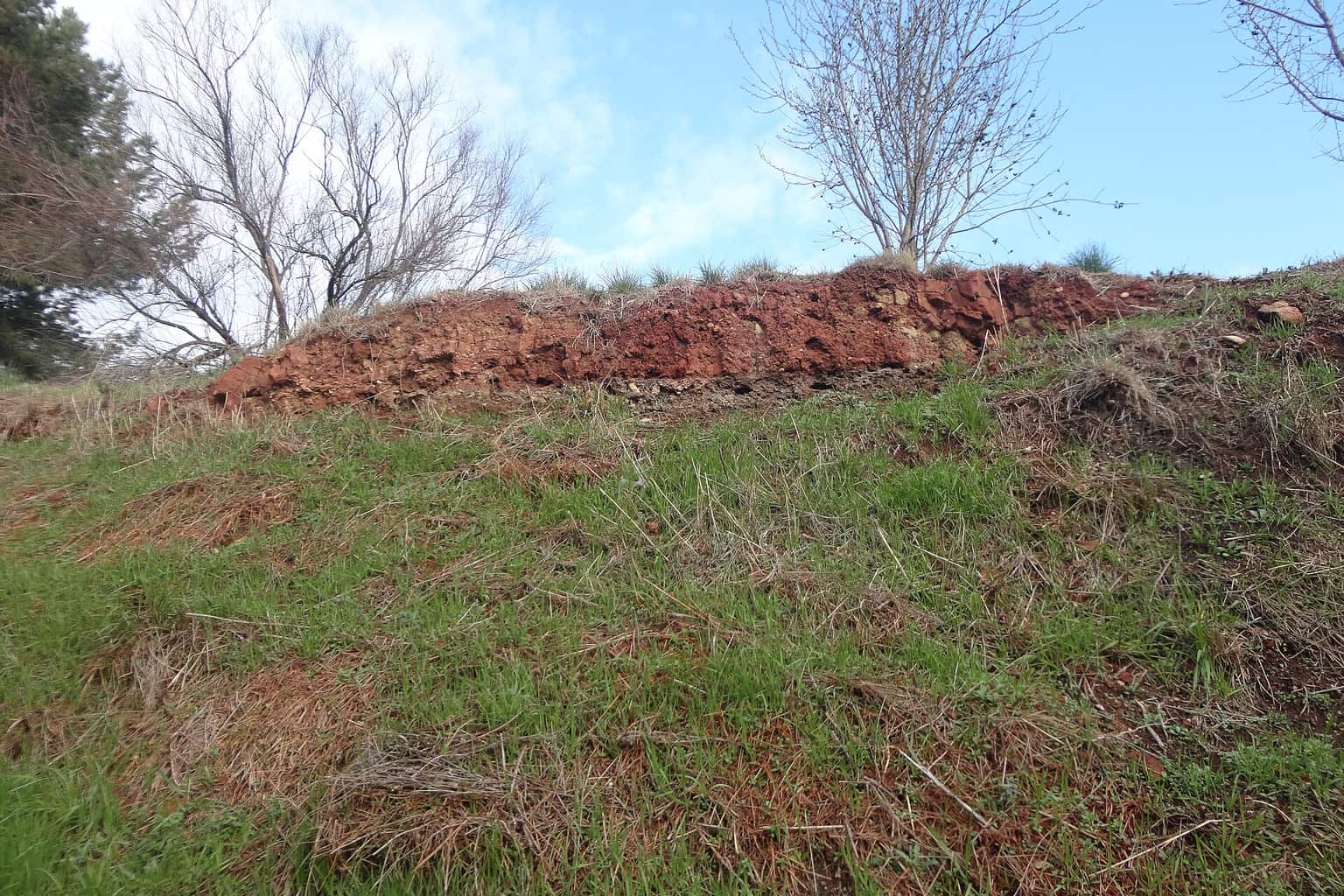
Trinity researchers are turning red mud, a waste from alumina production, into a low-carbon construction material.
79.8%Highest carbon footprint reduction vs. standard CEM II-A/L cement, per the team's assessment

Dyes already in polyester fibers can move between fabrics, giving them one new uniform color.
less than 1%of colored textiles undergo closed-loop recycling, per the study's figures

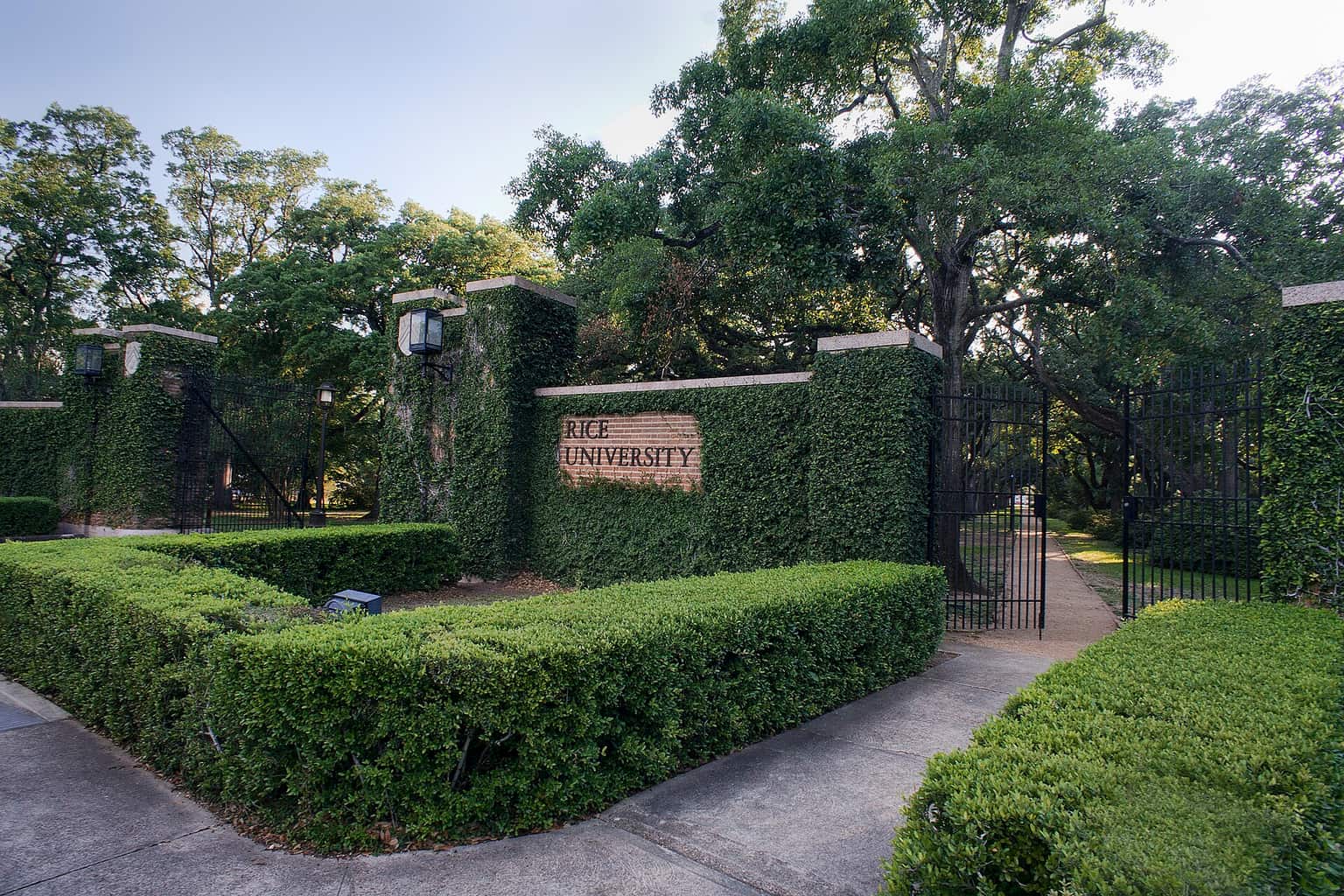
Rice University's material captured neodymium, gadolinium and dysprosium in laboratory tests, published in ACS Applied Materials & Interfaces.
195 milligramsof dysprosium captured per gram of material at the highest PMIDA loading tested, in laboratory experiments

The pilot plant in Shinagawa City burns 2 tons of waste a day and begins testing CO₂ capture in November 2026.
over 90 %CO₂ recovery rate in laboratory-scale testing

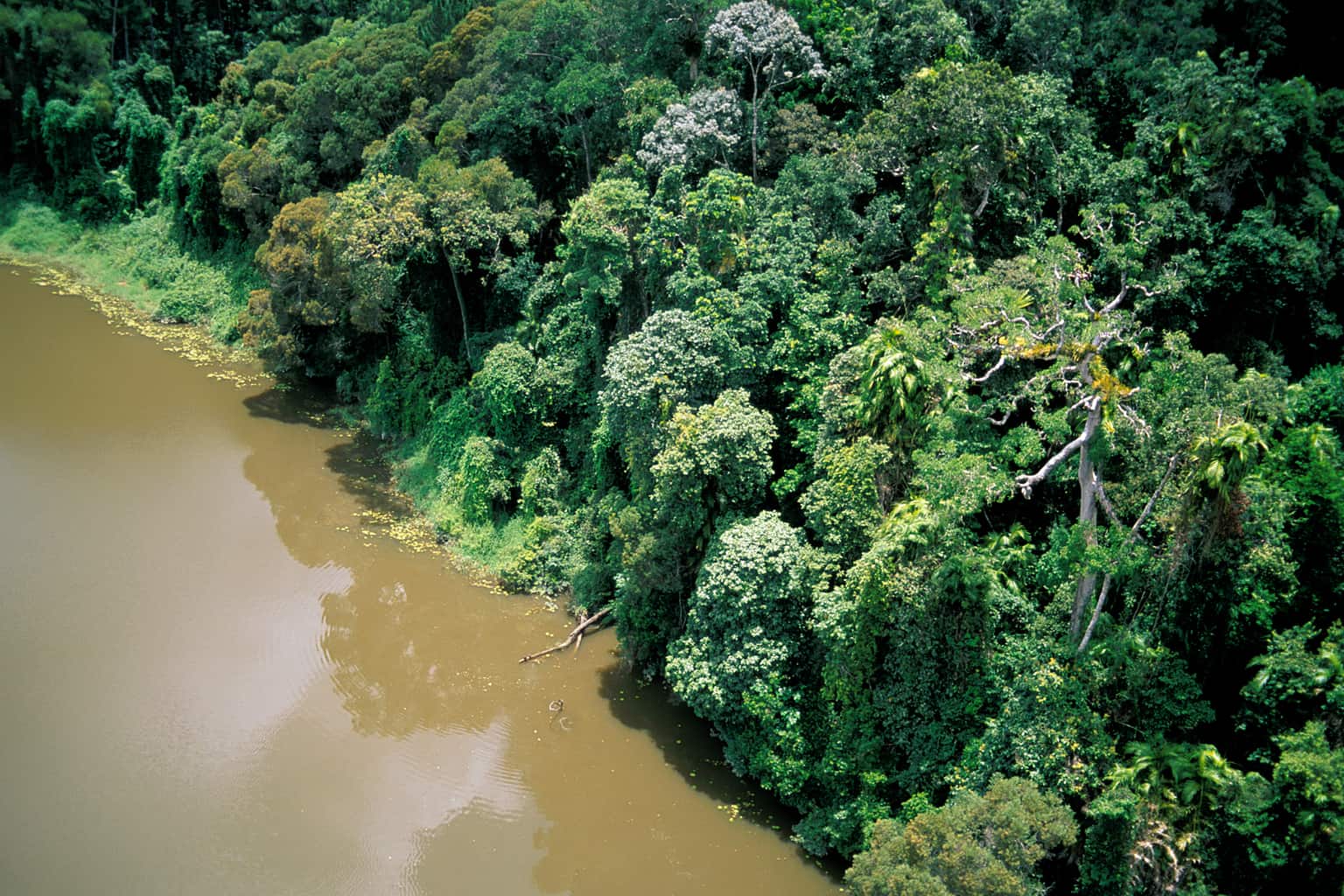
Each 10-by-10-meter patch of land is sorted into six forest or land-use types, from primary forest to other land.
90%of the 9,000+ validation sites where ForTy picked the right forest type

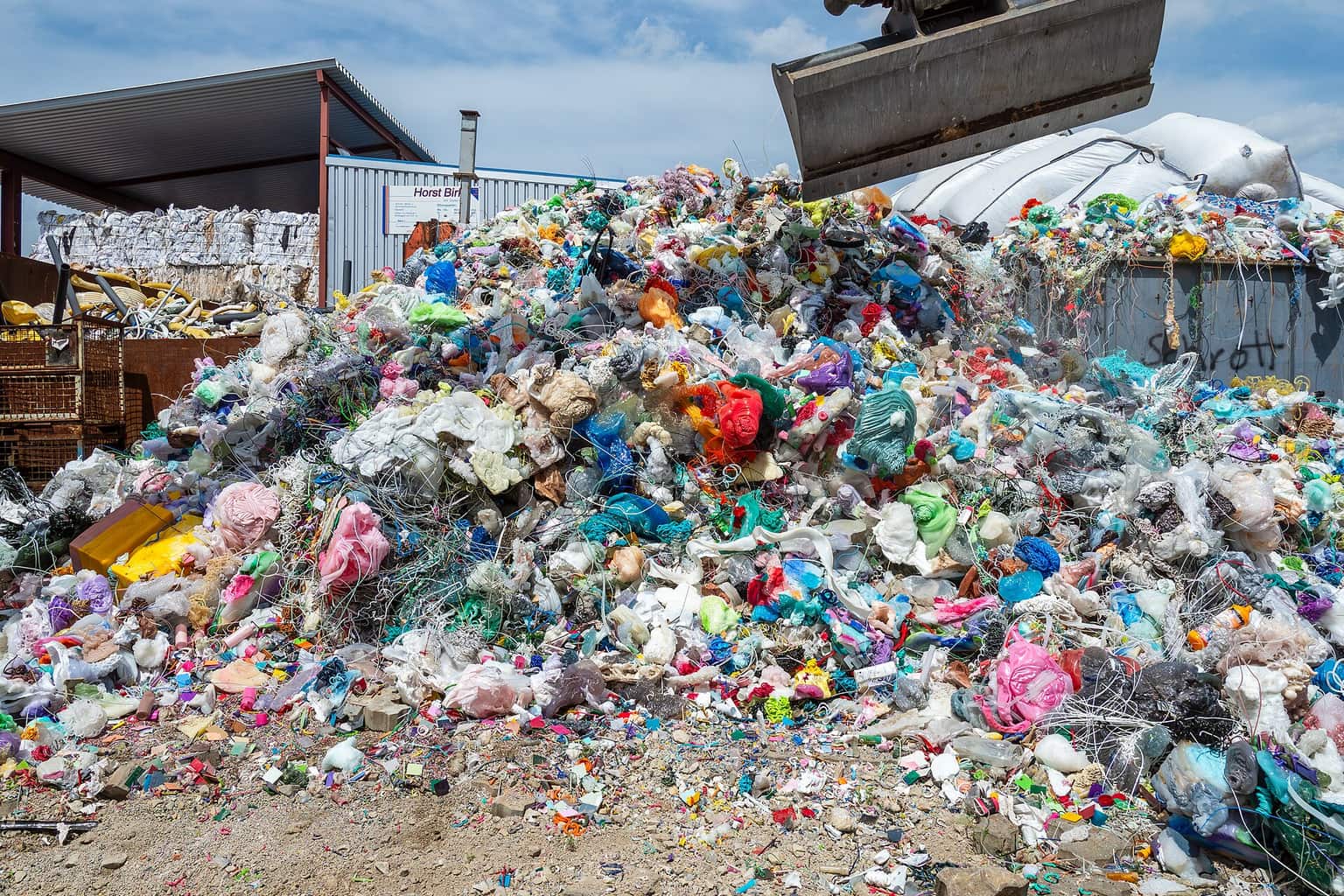
A review of more than 200 studies suggests non-recyclable landfill waste could replace some fossil fuel in cement kilns.
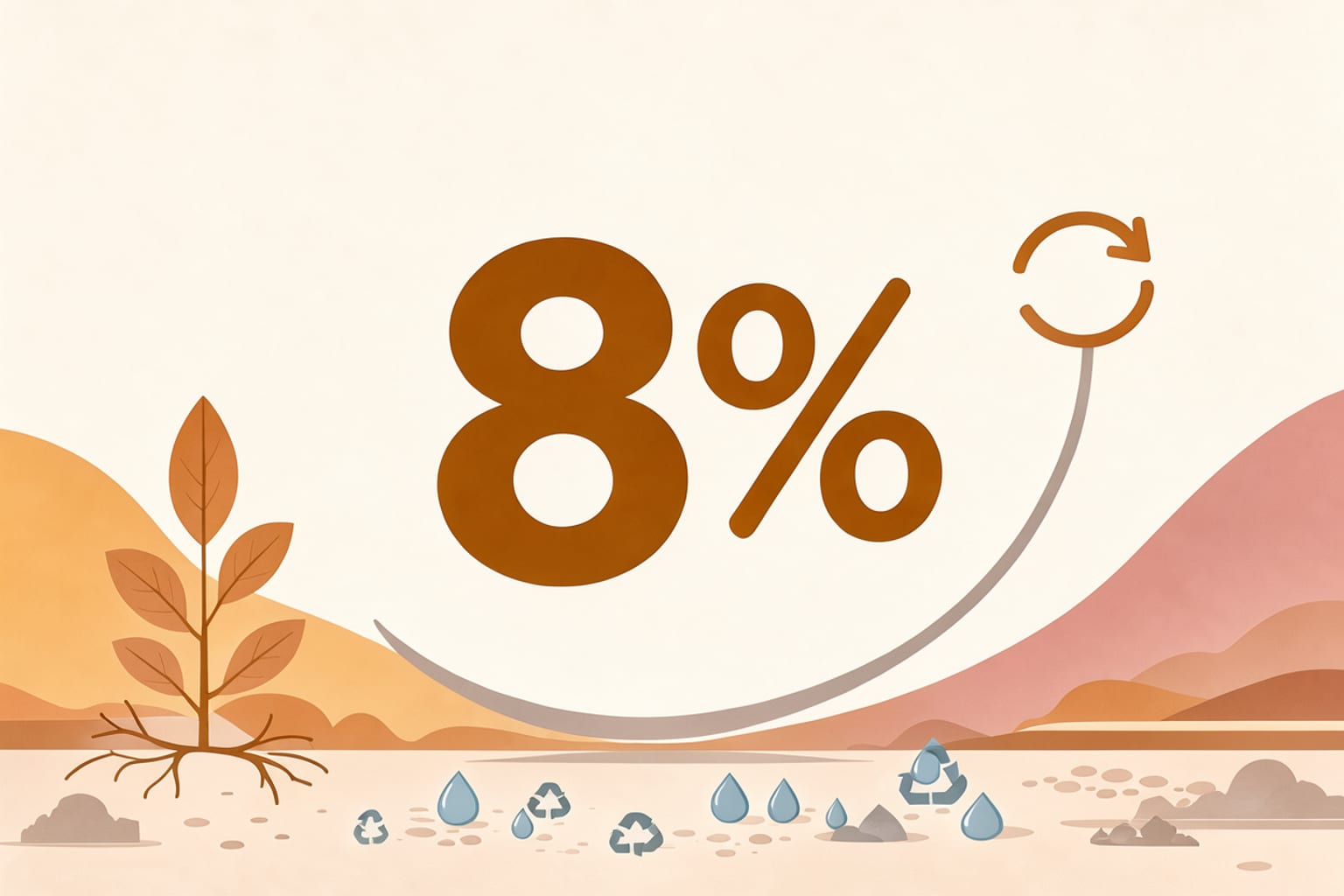
8%Estimated share of global carbon dioxide emissions from cement manufacturing

Spanish researchers built a scaled-down prototype whose tread and casing lock together without glue.
over 12,000 revolutionsOn the lab test rig, no visible wear, equivalent to more than 7 kilometers

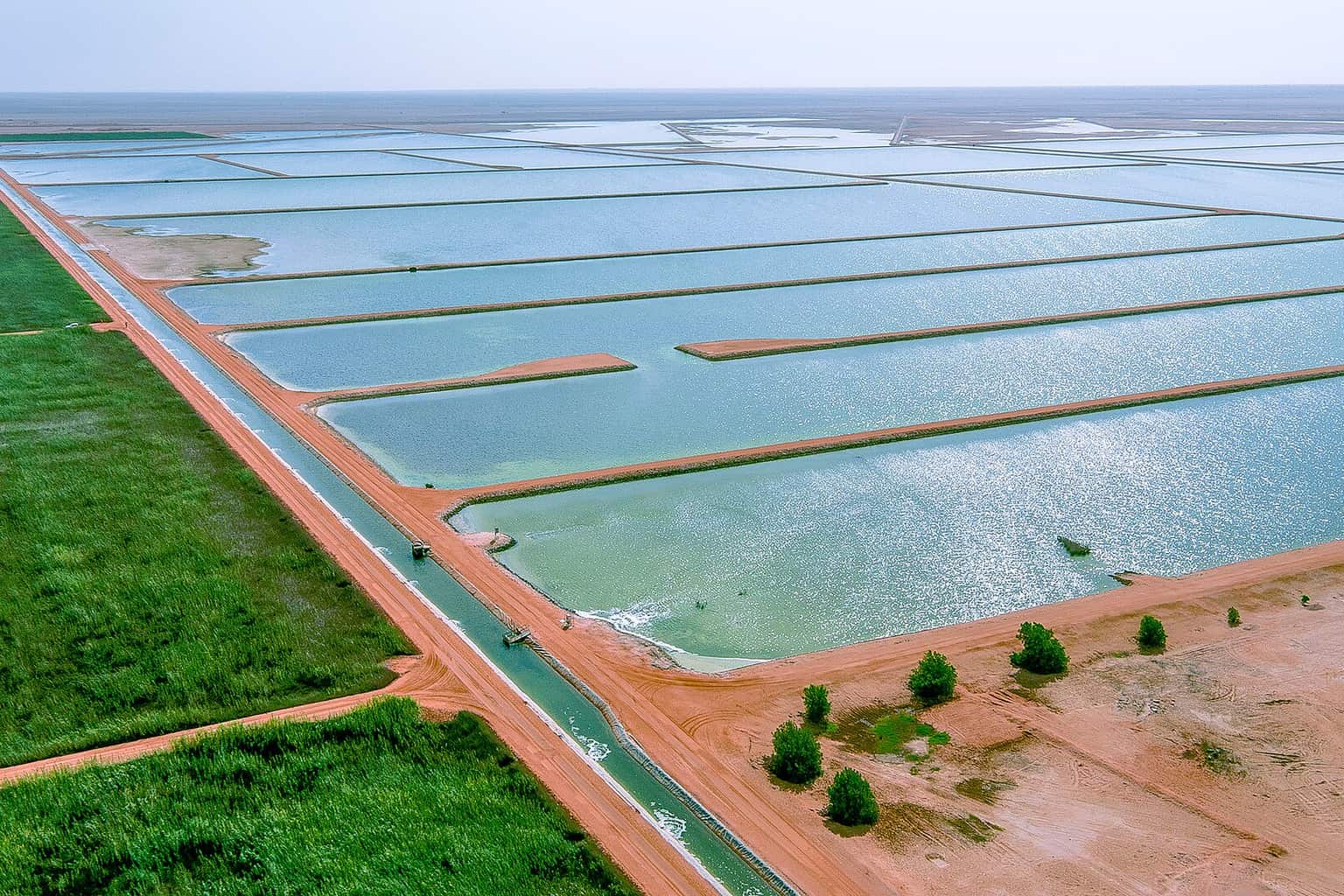
A one-month test in a 14-hectare Omani wetland compared plywood with polypropylene and marble surfaces.
240 to 3,100 timesMore bacteria in attached biofilms than in the surrounding produced water

In lab tests, up to 98% of acrylic glass was turned back into monomers, the reusable building blocks of the polymer.
up to 98%Monomer yield: share of acrylic glass recovered as its building blocks, in lab experiments

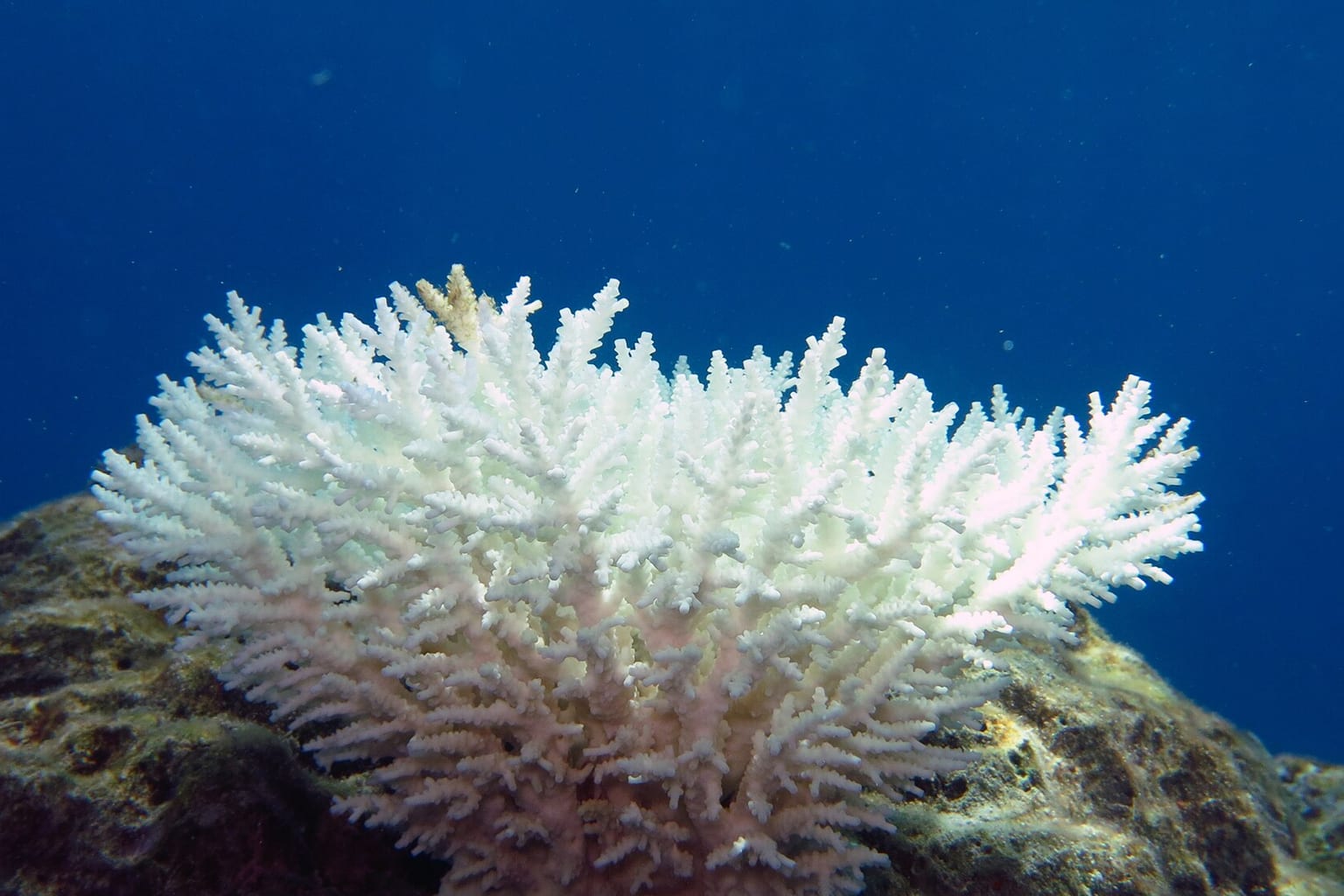
Bleached corals touching healthy clones fully recovered within seven weeks in the lab, while separated fragments died.
seven weeksTime for bleached coral fragments touching healthy ones to fully recover, in laboratory conditions

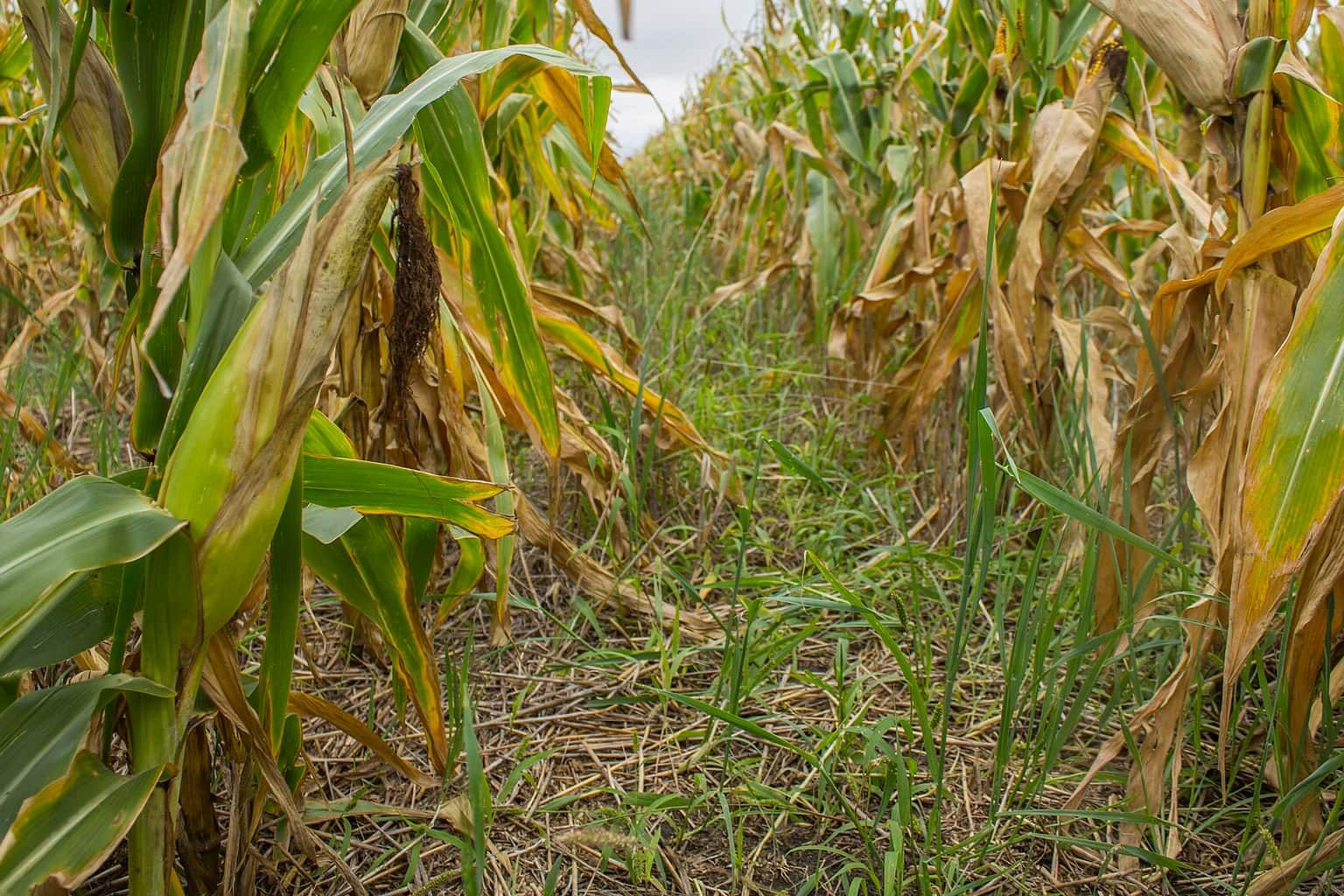
In lab trials on 47 corn varieties, a brief early stress left plants smaller and shifted flowering weeks later.
47genetically diverse corn varieties tracked under normal, drought, heat, and combined conditions

Vienna chemists turned polystyrene, CD and LEGO plastic waste into sponges that pull water out of air.
almost 60%of its own weight in water taken up from humid air by the polystyrene-based sponge

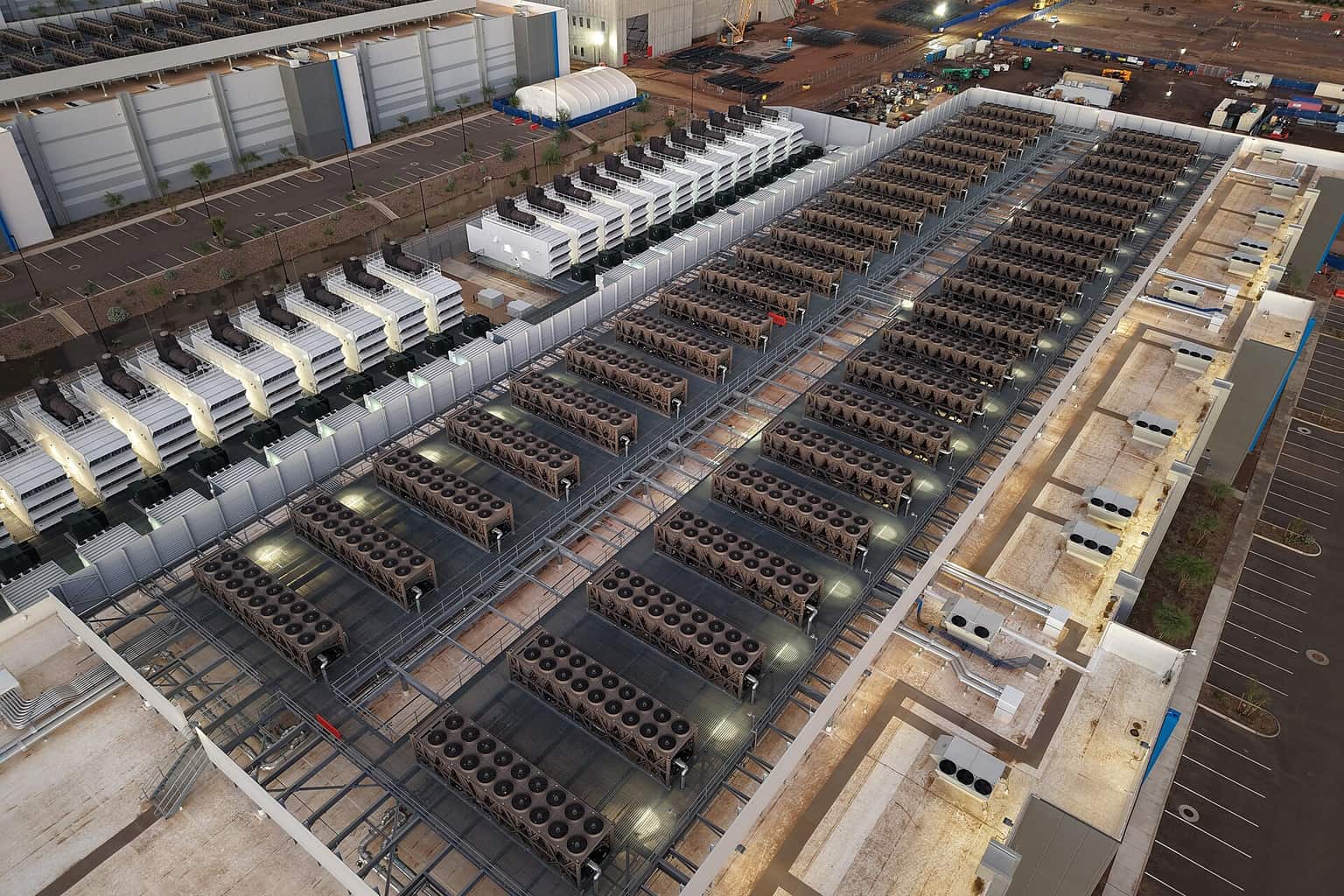
University of Texas at Austin researchers propose cooling data centers with treated oil and gas wastewater.
8 billion gallonsof waste water produced per day in the Permian Basin during oil and gas extraction

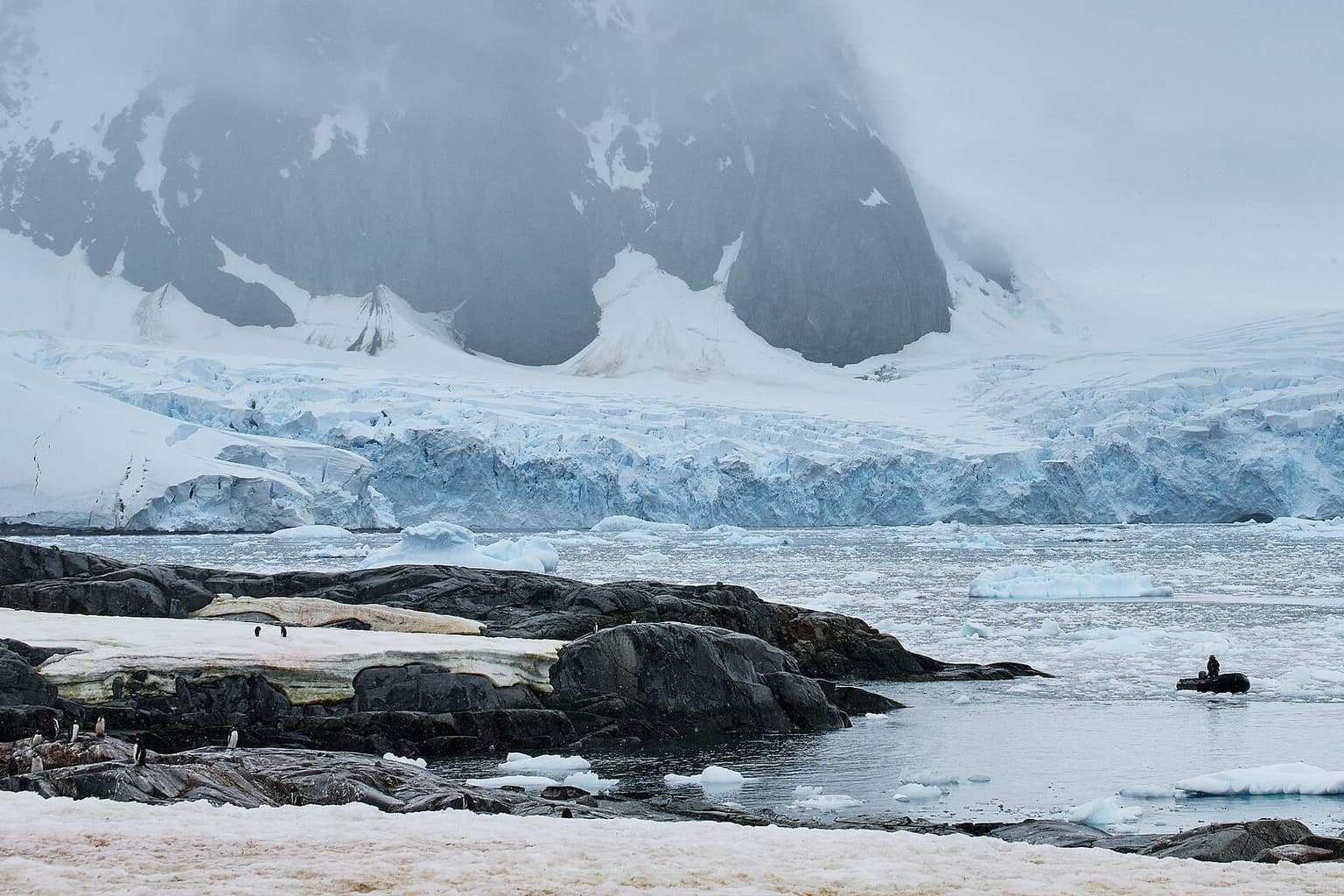
Satellites tracked over 15,000 Antarctic ice cliffs every three months from 2019 to 2023.
over 15,000Antarctic ice cliffs tracked by satellite, measured every three months from 2019 to 2023