China's 148-meter building stores energy with concrete
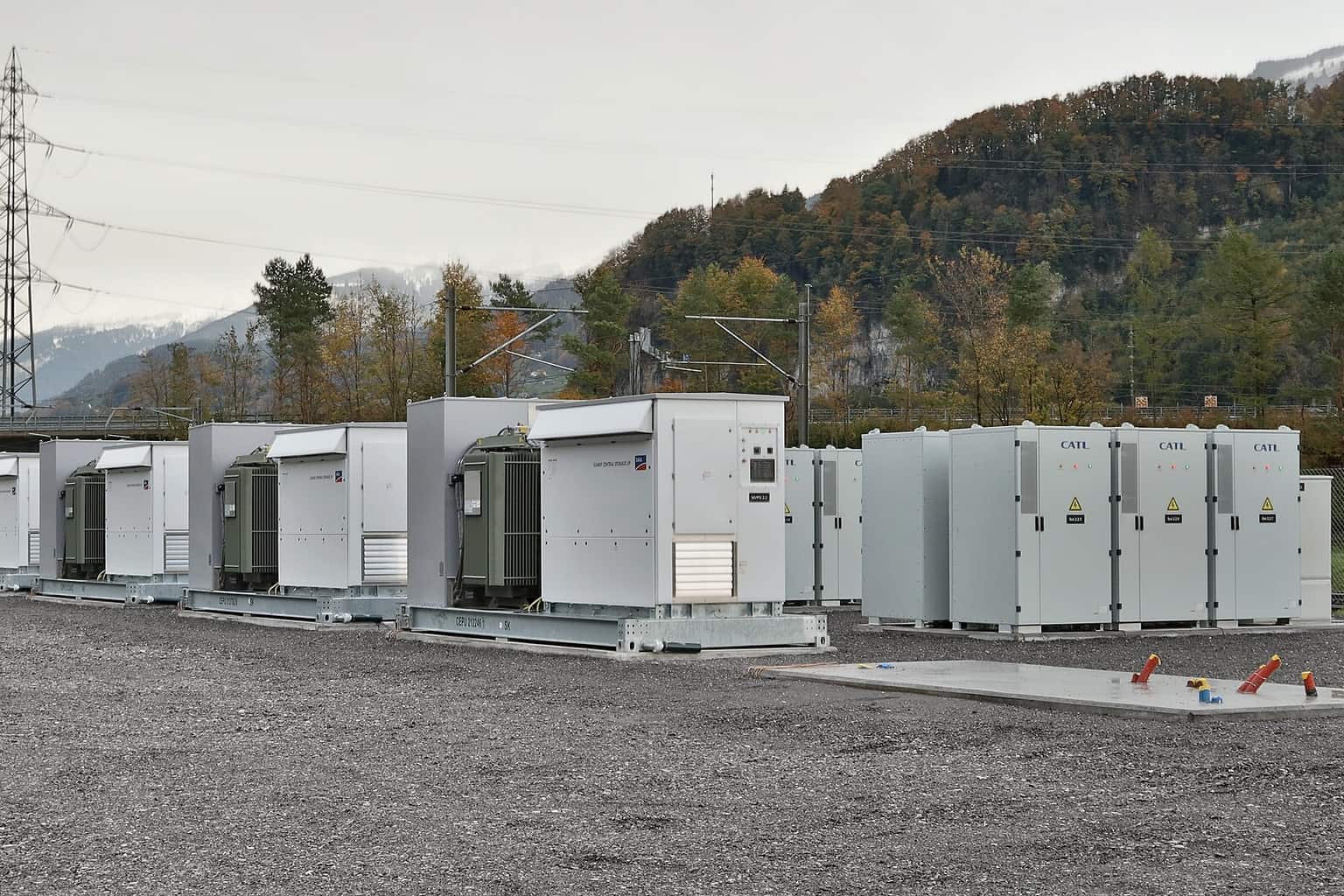
Concrete blocks are lifted by winches when electricity is abundant, then lowered to release power during peak demand.
80%claimed round-trip efficiency, according to Energy Vault
Solar, wind, nuclear, grids, storage: the electricity that will run everything else.
Energy is the mother section: everything else this journal covers — computing, vehicles, factories — eventually plugs in somewhere. We follow solar and wind as they keep cutting prices, nuclear reinventing itself as small modular reactors, geothermal, hydrogen where it actually makes sense, and above all the grids: interconnections, bulk storage, demand management — the plumbing without which no megawatt is worth anything.
The through-line is the kilowatt-hour: its cost, its footprint, its availability. An efficiency record only counts dated and sourced; a power plant only counts once connected. The section favours verifiable numbers — auctions, commissionings, production curves — and the players Western general media rarely cover, from Chinese electrolyser makers to island grids going 100% renewable.


Concrete blocks are lifted by winches when electricity is abundant, then lowered to release power during peak demand.
80%claimed round-trip efficiency, according to Energy Vault

Running since August 2025, the 600 MW Monsoon farm sells all its electricity to Vietnam's national grid.
600 megawattsIn operation since August 2025, the largest wind farm in Southeast Asia, according to AFP

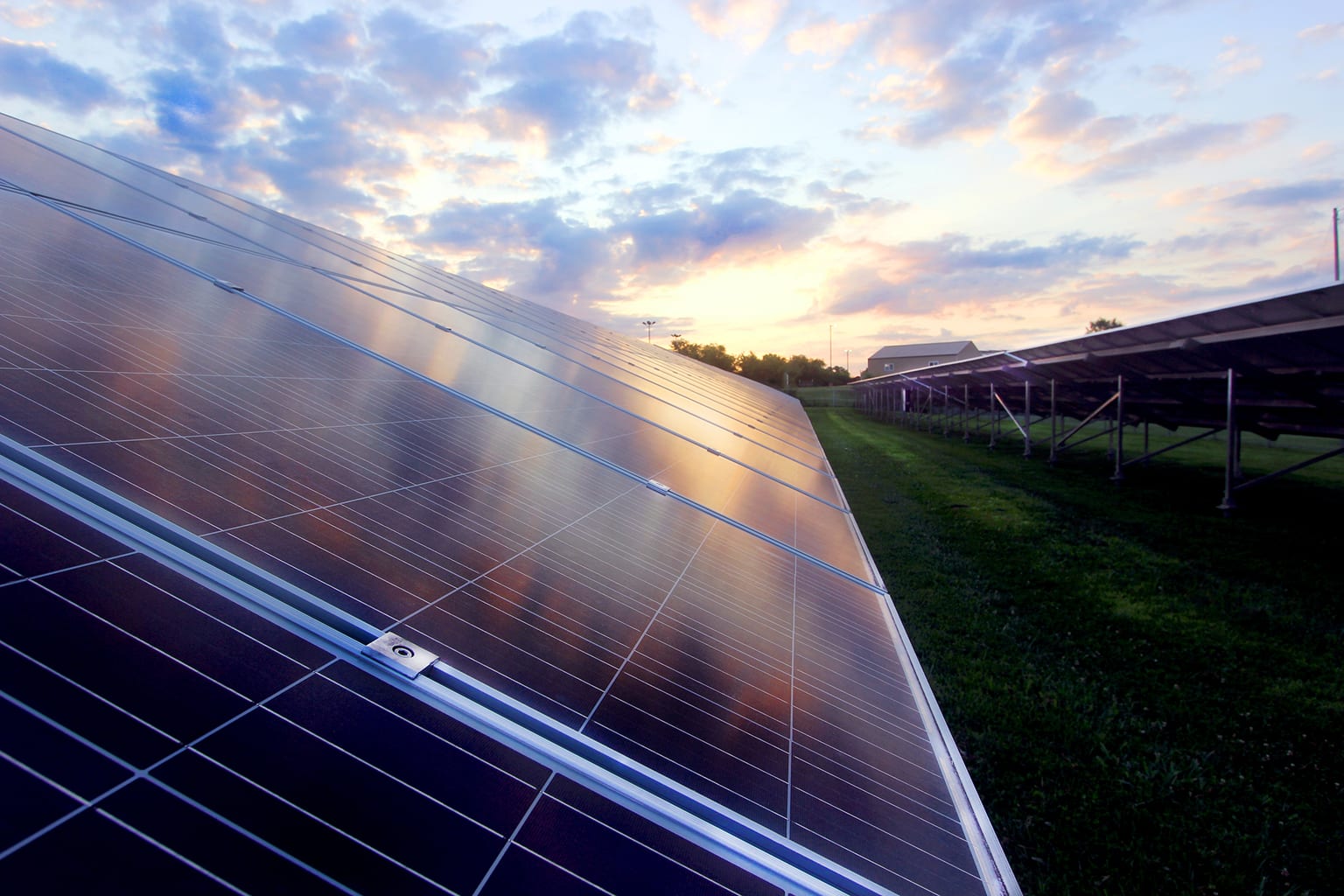
Two Massachusetts cranberry bogs idle for years are producing again, with solar arrays and batteries on the same land.

A team led by Prof. Kim Yun-su at the Gwangju Institute of Science and Technology (GIST) has developed a technology that calculates how much room solar and energy storage system (ESS) output has to be adjusted in real time
6.7%→0%Grid operating-limit violation rate when ESS output is adjusted, compared with individual device conditions alone (simulation)

In 2017, 2% of new US utility-scale solar capacity had batteries on site; in 2026 it is over 16%.
over 16%of new US utility-scale solar added in 2026 has batteries on site, vs 2% in 2017

A low voltage of 4 V, close to a battery's, replaces the 200 V or more that older methods required.
4 VVoltage to build the electrode, down from 200 V; laboratory result

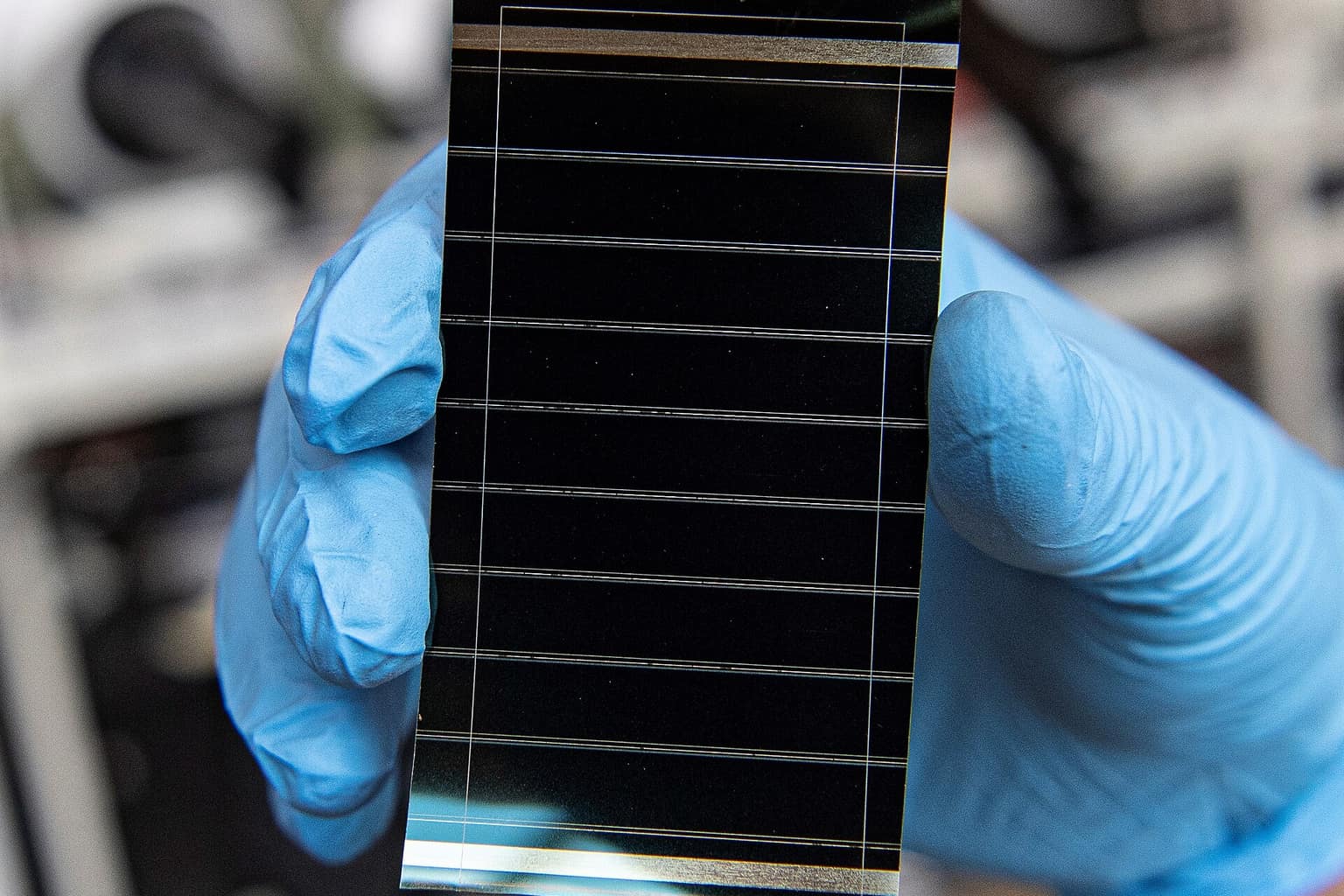
Salt additives briefly liquefy perovskite ingredients, letting atoms settle into a cleaner crystal with fewer defects.
85.8%of initial efficiency kept after 1,400 hours at 85°C, small cells, in lab

Battery systems that check their charge every minute appear to cause the 60-second dips in Europe's grid.

Researchers at Finland's LUT University ran a series-connected alkaline electrolysis system at a record 1,000 V.
1,000 VRecord for a series-connected alkaline electrolyser; industrial units run at 200–400 V

A 480 kWh electric truck fed power back to the grid at up to 350 kW at a Regensburg freight depot.
6.1 cents per kilometerCost cut per km with bidirectional charging, six German fleets studied

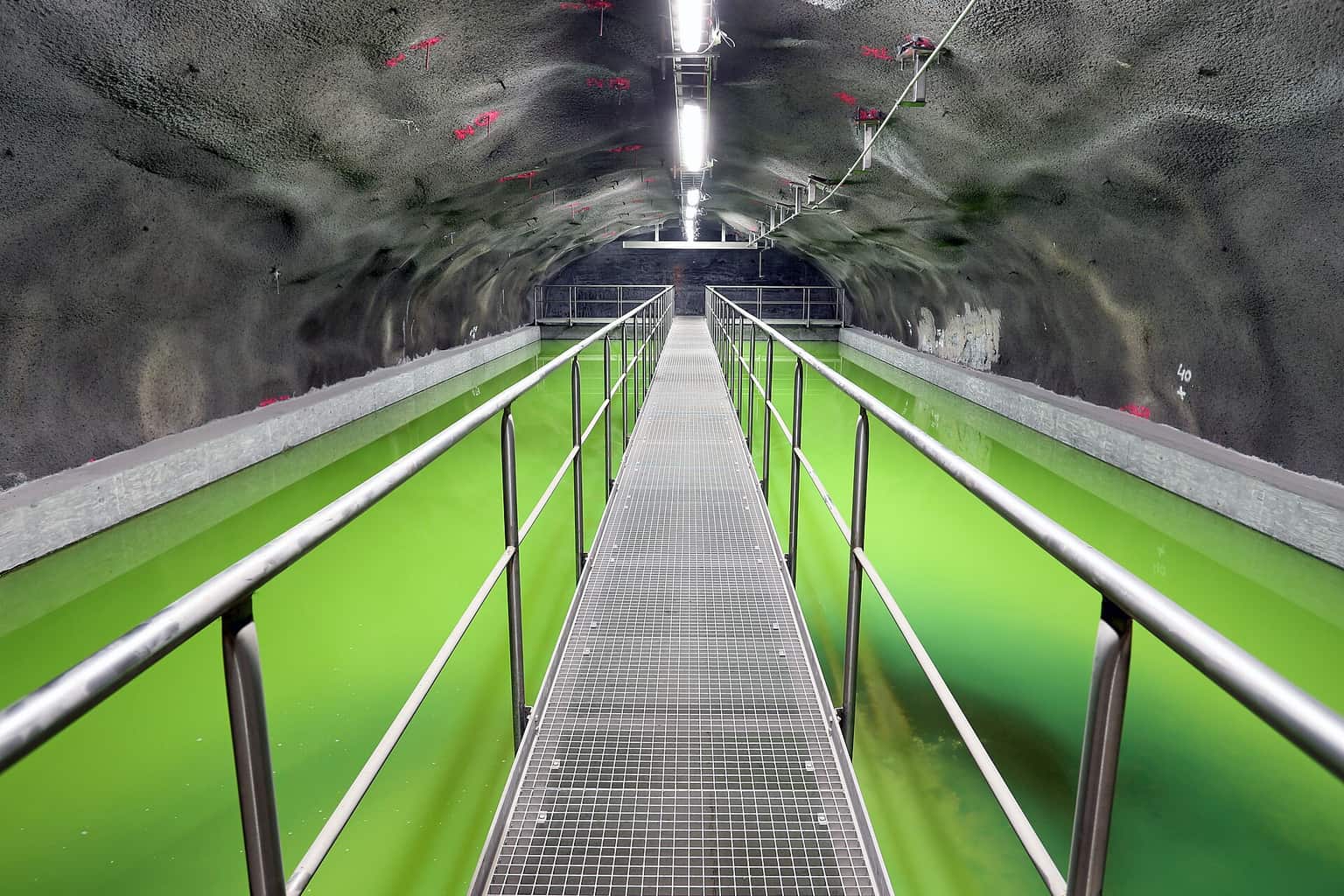
Posiva has received permission from the Finnish government to operate the Onkalo site, 400 meters underground.

In a paper mill in Weißenborn, Germany, a 1.2 MW heat pump turned waste heat into industrial steam in a trial.
2.30units of useful heat per unit of electricity, over the first ~300 operating hours (trial)

The electrodes use gallium-doped zinc oxide instead of indium, a scarce and costly metal.
24.92%Lab cell efficiency with indium-free electrodes, 0.68% below the indium reference

Tohoku University's titanium-doped chromium nitride films reach a power factor 250 times that of pure CrN.
250-foldPower factor increase over pure chromium nitride films, lab results

Tsukuba researchers cut the impedance scan of a fuel cell from 41 measurement frequencies to 6, the study reports.
6measurement frequencies needed, against 41 in conventional tests (study results)

Hydrogen can replace carbon-based ignition fuels in ammonia engines, according to NTNU lab research
7–8%Hydrogen needed to ignite ammonia, in lab tests, replacing carbon-based ignition fuels

A solar receiver claimed to exceed 1,000°C, where most such plants stop at 600°C.
above 1,000°CReceiver temperature claimed, versus 600°C in most plants

Iron triangles in a MOF crystal turn nitrogen into ammonia under light; chromium triangles do not.