
HealthLab
Boosting p53 in lab helps T cells fight melanoma longer
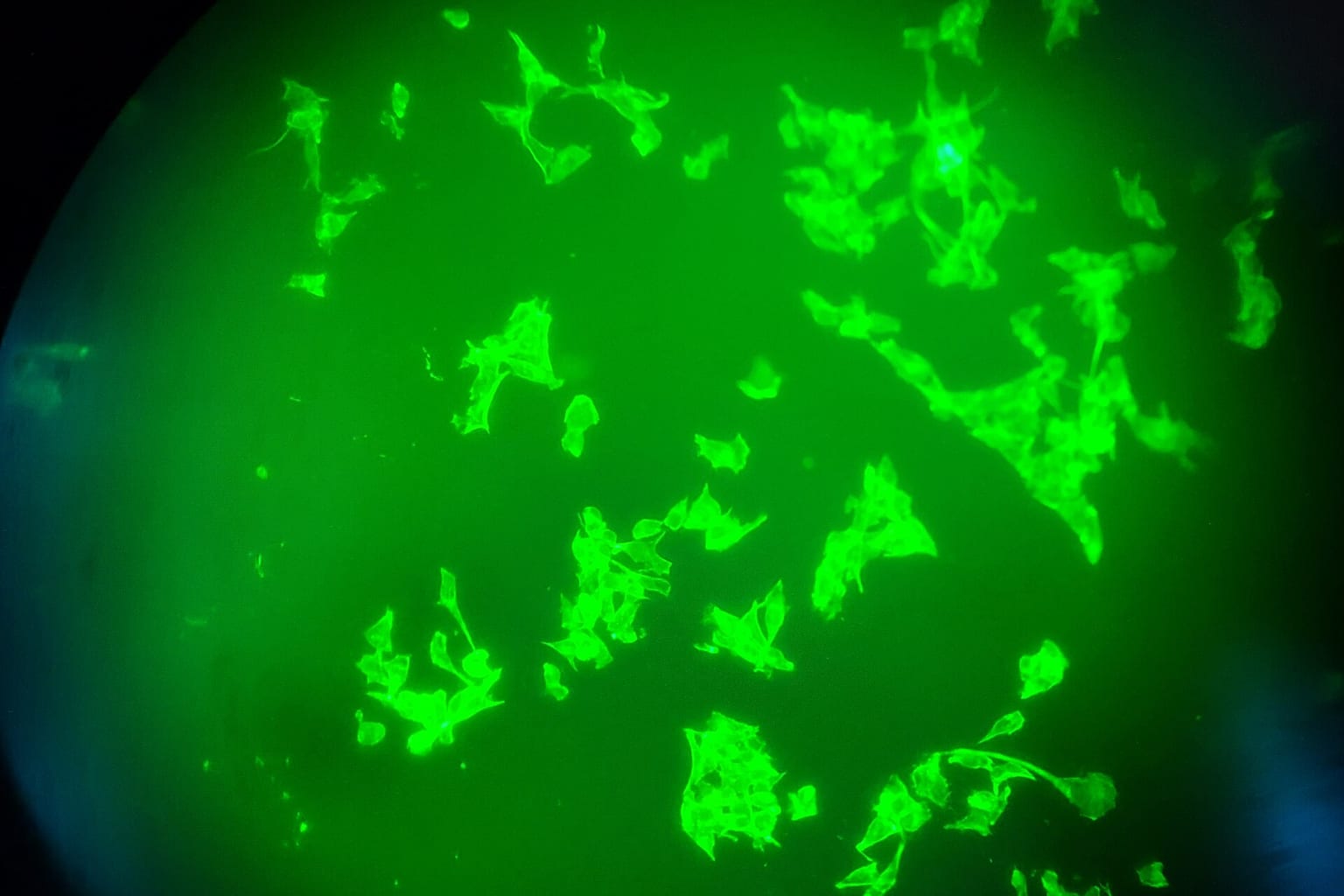
Adding the drug navtemadlin while preparing human T cells made them better at killing melanoma cells in laboratory tests.
Written by AI2 min2 sources
Diagnostics, prosthetics, vaccines, genomics: the medicine that adds years to a life.
Medicine that wins years of life: AI-assisted screening examining millions of patients, next-generation vaccines, genomics moving from sequencing to treatment, prosthetics and implants restoring lost abilities. The section follows completed clinical trials, market authorisations, hospital roll-outs — the moment a technology stops being a paper and becomes care.
The numbers rule: cohorts, detection rates, avoided mortality, costs. We gladly cover the health systems deploying at scale — India, Brazil, Southeast Asia — because frugal technologies often prove themselves there before arriving anywhere else. Every article rests on the trial, authorisation or study behind it, and cites them.
Adding the drug navtemadlin while preparing human T cells made them better at killing melanoma cells in laboratory tests.
Gadolinium, the metal in MRI contrast agents, was detected down to the micromolar range in lab tests.
Neuralink's implant now carries brain-decoded speech into iPhone calls, tested with one VOICE study participant.
Perforin killed tumor cells in lab tests even when the granzymes it usually delivers were absent.
Ultrasound steers a light signal to chosen brain spots in mice, switching on a gene editor only there.

Yokohama National University researchers steered cell growth in 3D by shining light on a gelatin gel.
In mice with colorectal tumors, the antibody GB2Ab restored food intake and reduced muscle and fat loss.
about 30%Extra grip strength vs untreated mice with cancer wasting, reaching about 90% of healthy mice
A transporter protein called SMVT carries a creatine analogue into the brain and into neurons, according to a University of Eastern Finland study.
Tested on lab-grown human heart tissue, not yet in patients; the next step is studying it in clinical use.
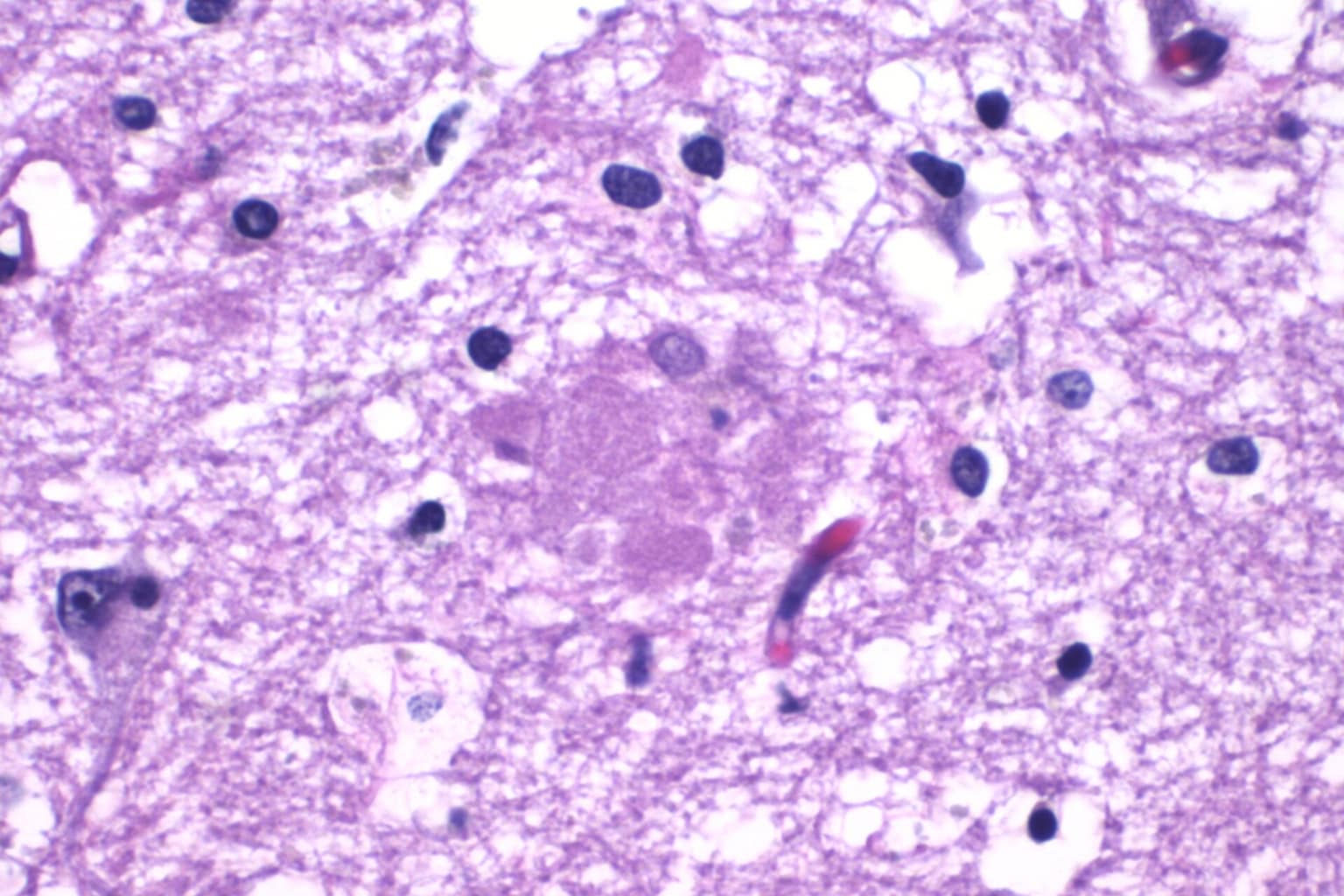
VG-3927, a small-molecule TREM2 agonist, reached the brain and engaged its target in a phase 1 trial.
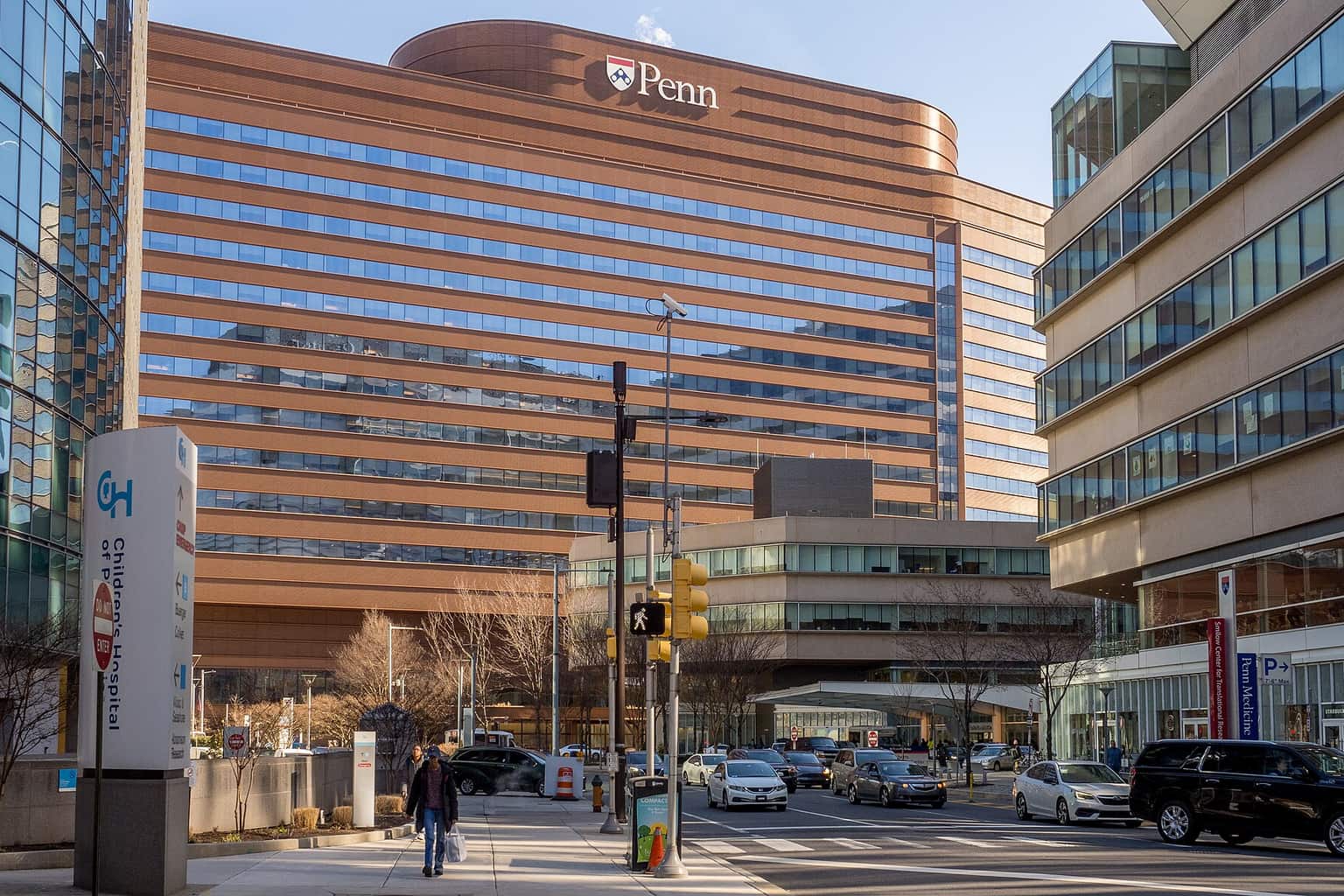
Penn Medicine researchers used CRISPR to boost utrophin, a protein that can stand in for the missing dystrophin.
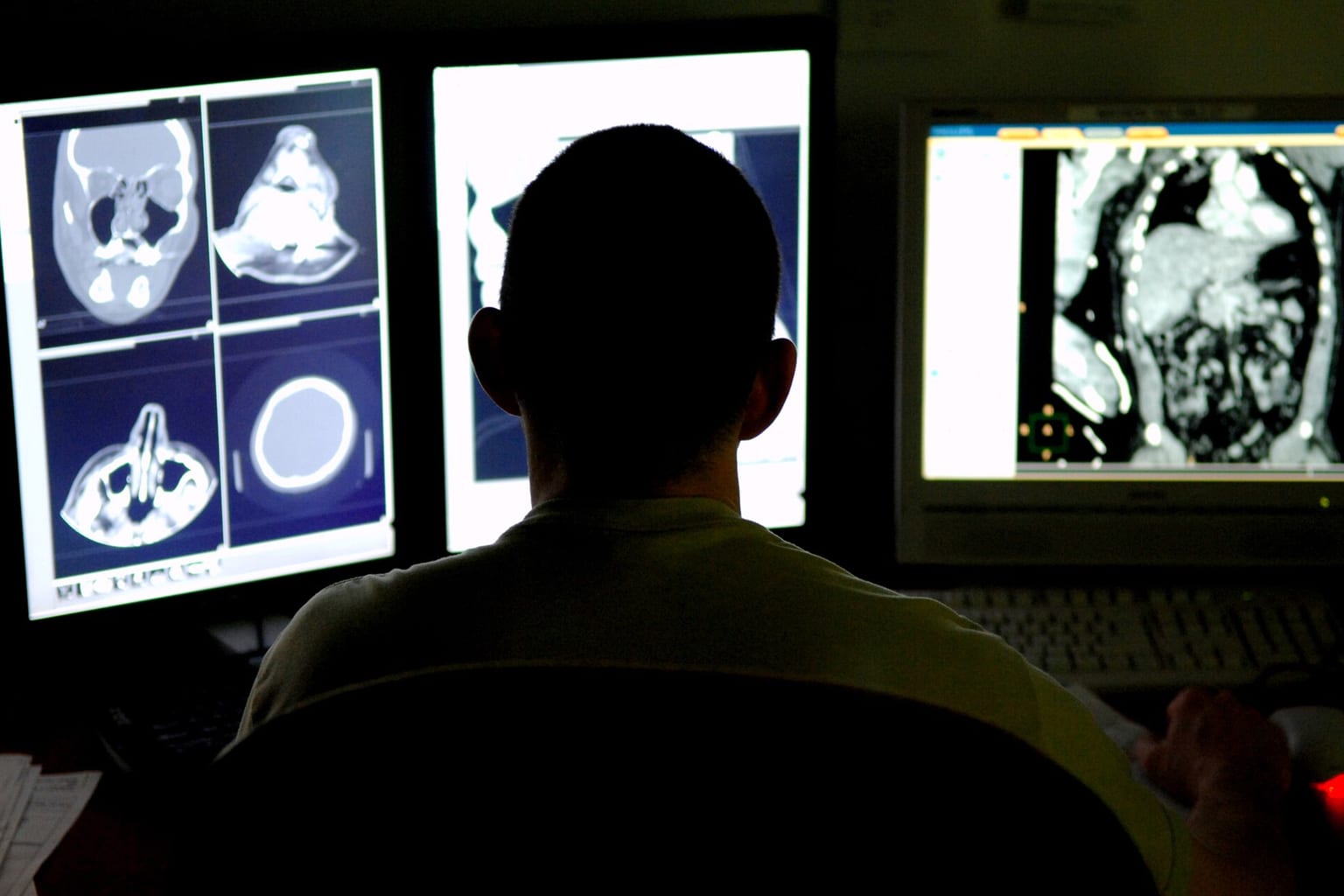
The model handles three tasks: diagnosis, locating regions in an image, and answering questions about scans.
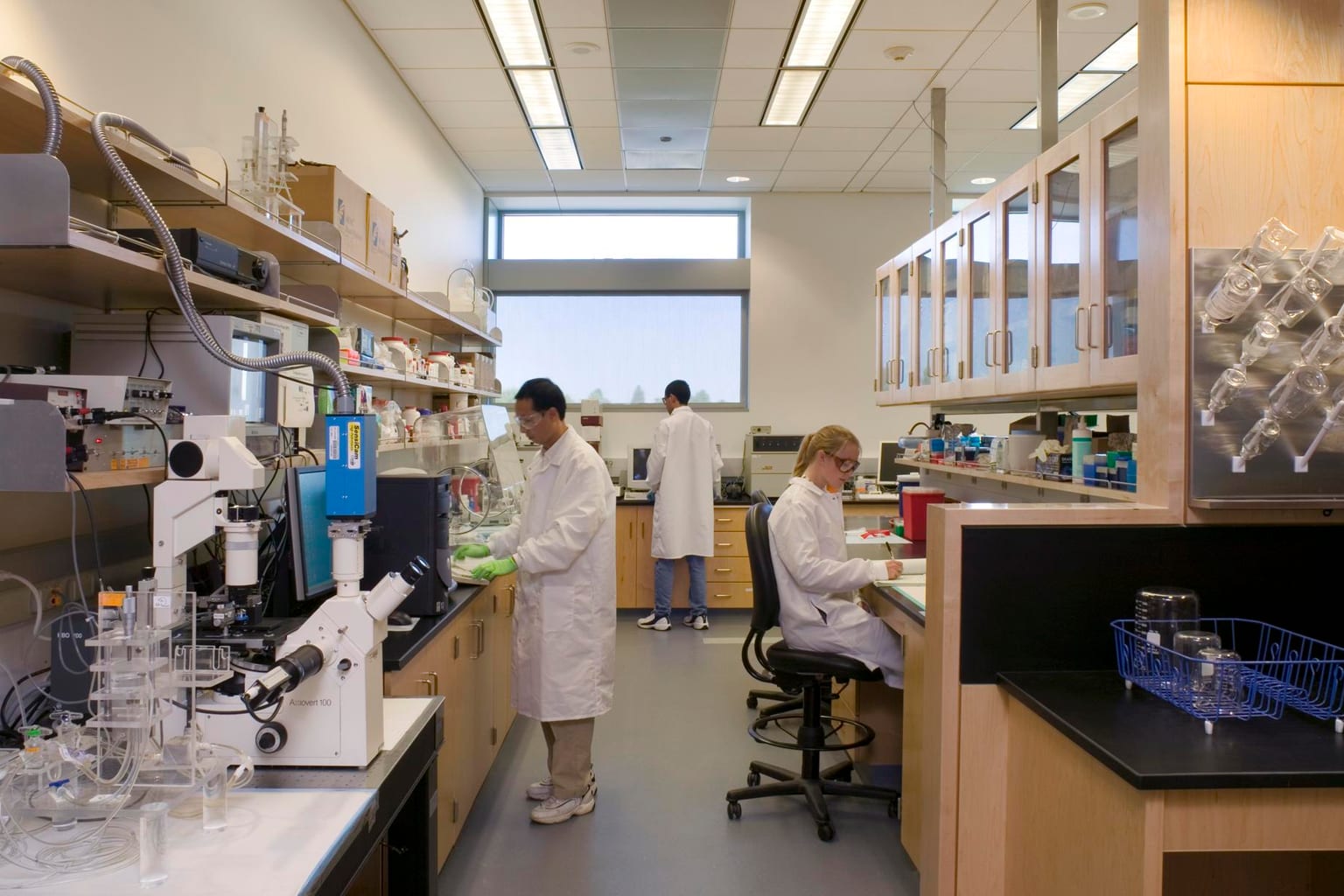
Tested on three people with below-knee amputations, using a cursor task rather than walking.
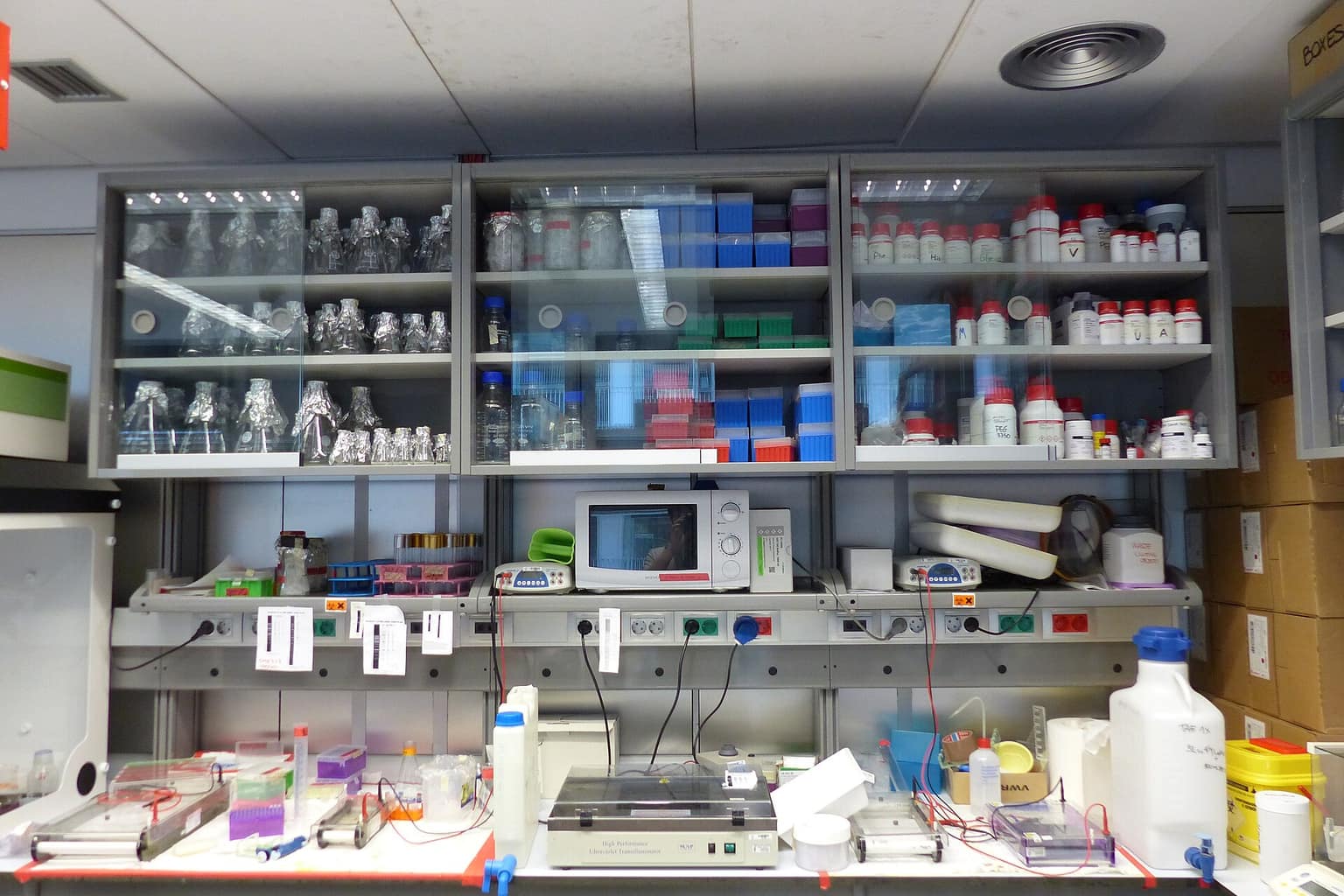
In mice, high blood sugar reprograms T cells so they slow tumor growth more effectively.
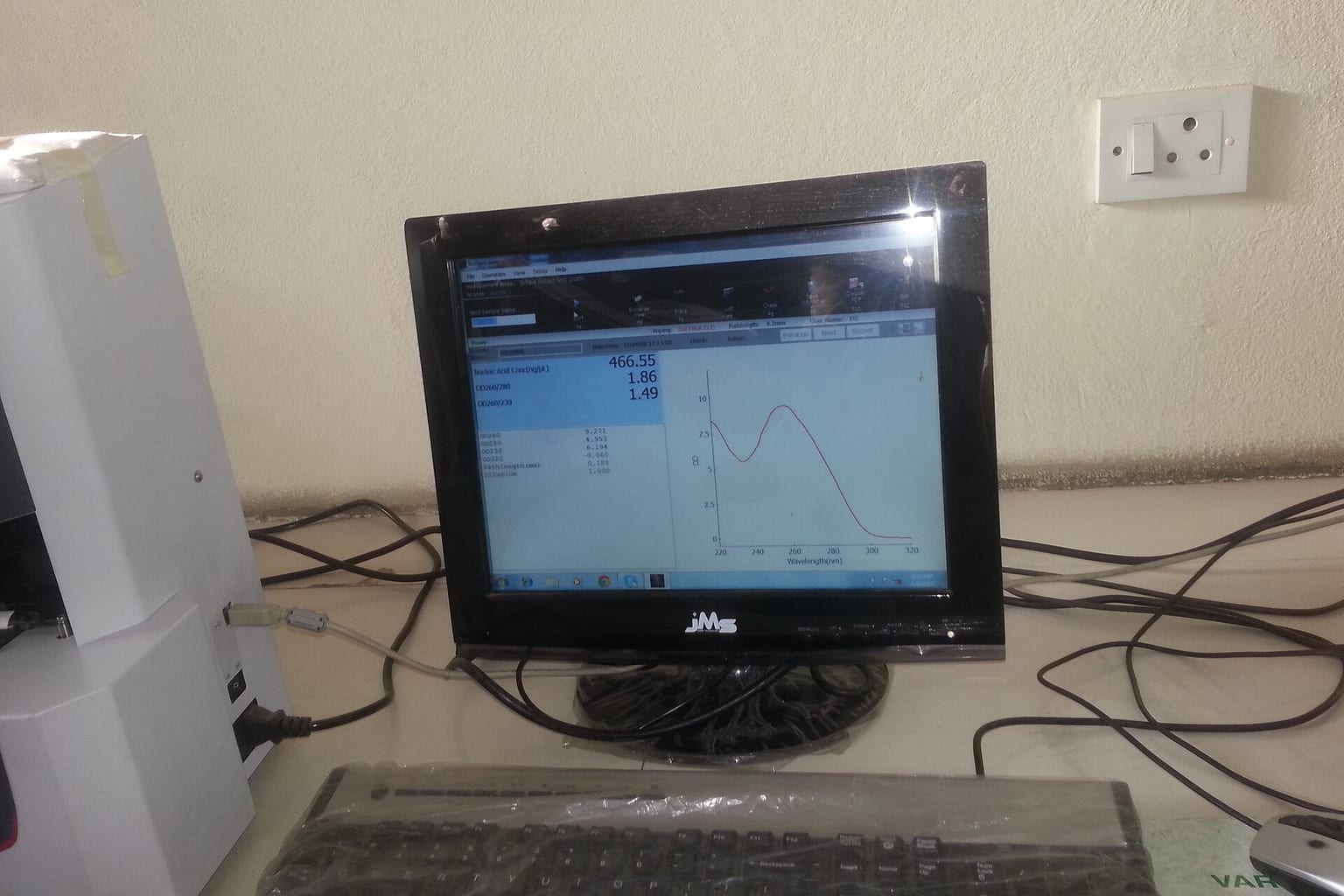
MoleculeMind's MMDesign platform produced at least one lab-confirmed binder in 18 of 19 design projects.
94.7%of design projects gave at least one lab-confirmed binder (18 of 19)
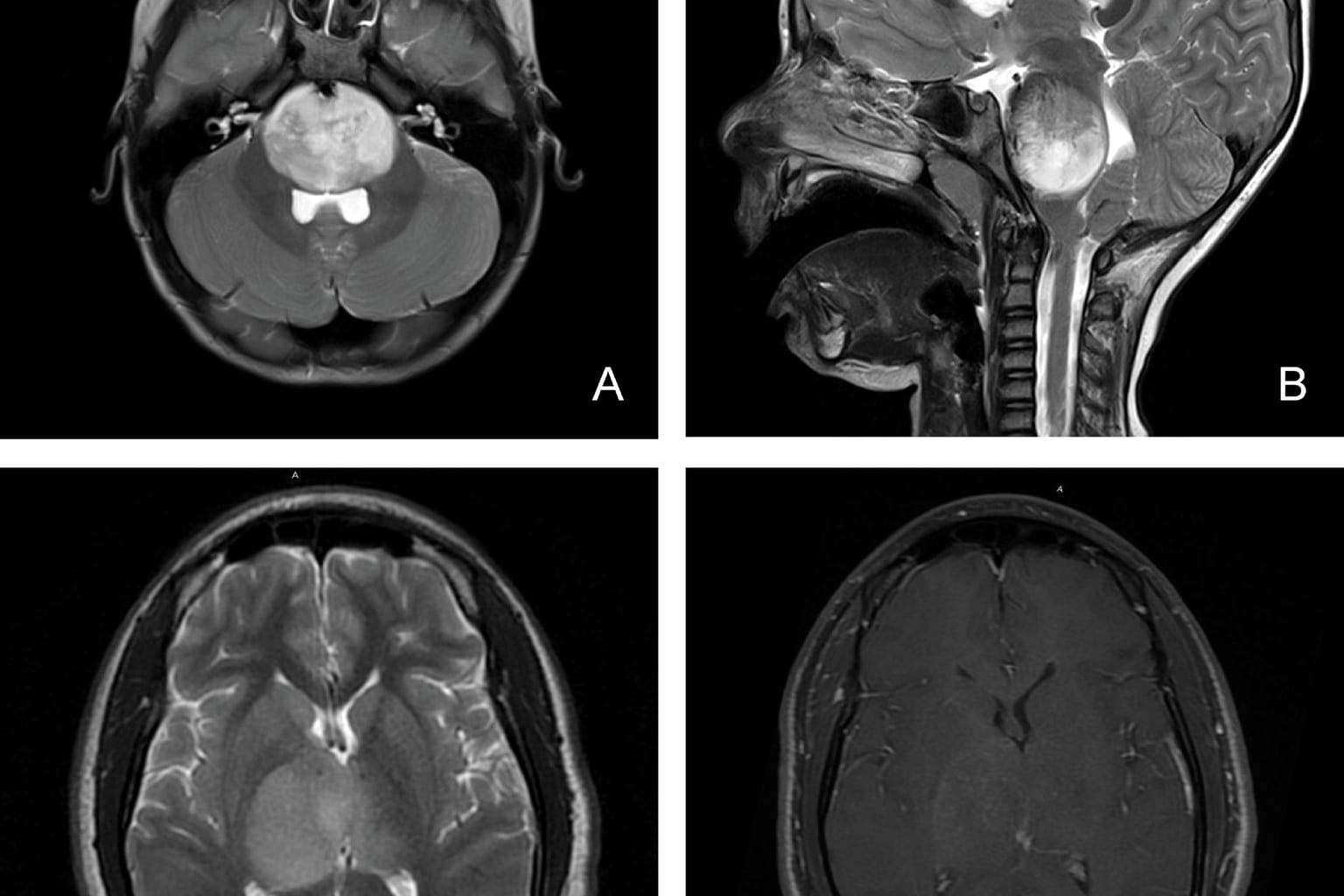
In mice, engineered CAR-T cells cleared diffuse midline glioma, a lethal childhood brain cancer that spreads into healthy tissue.
over 70 daysB-SYNC CAR-T cells still active in mice after treatment, in lab tests
The study identified 127 regions of human DNA linked to Alzheimer's risk, 48 of which had never been mapped in this context.
48DNA risk regions for Alzheimer's never mapped before in this context, out of 127 identified, in genetic data from about 2.8 million people
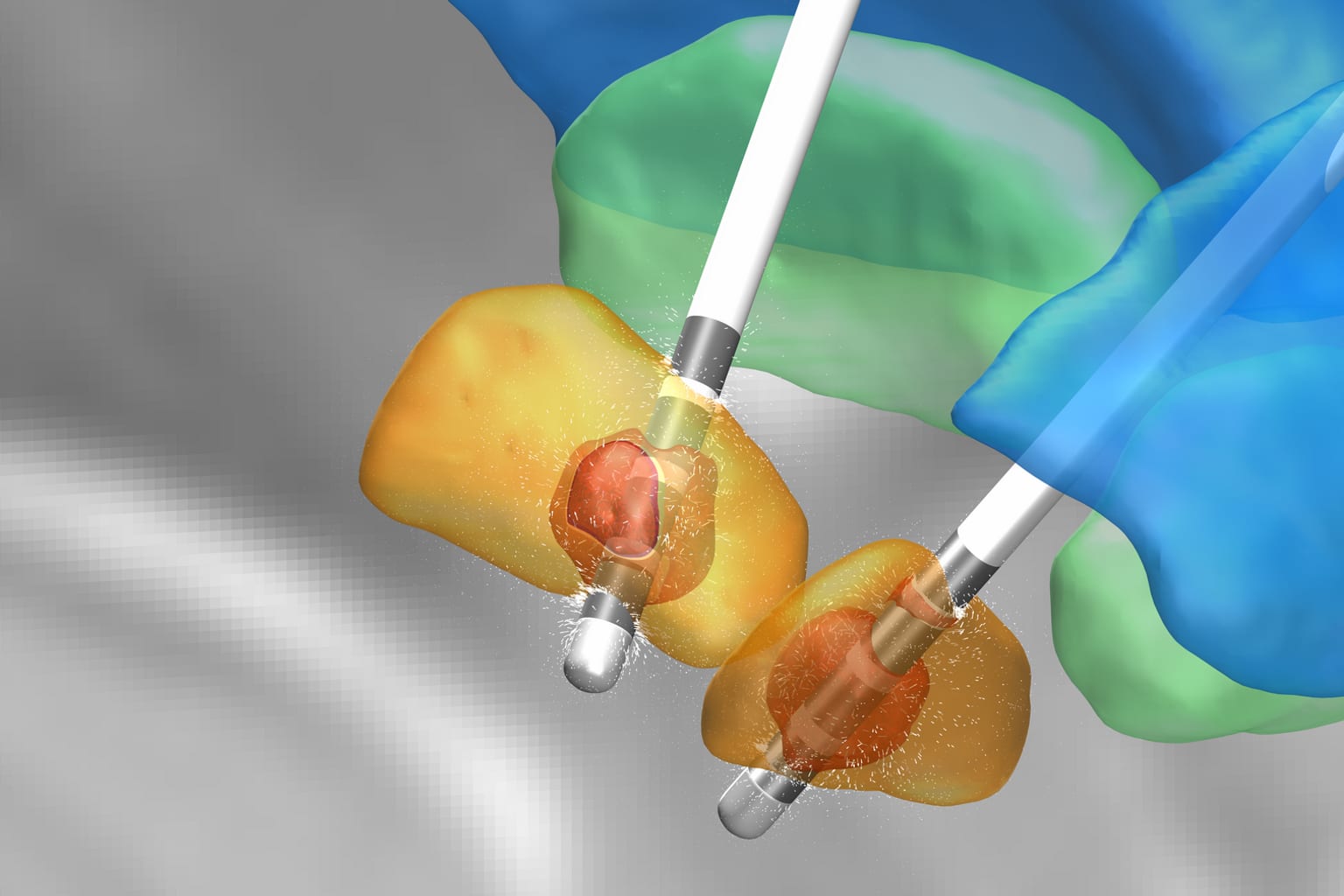
Mayo Clinic researchers detected measurable brain changes within 18 minutes of deep brain stimulation.
18 minutesTime to a measurable brain response after stimulation, versus months to see seizure changes. Study of 9 patients