HealthLab
Six genes predict leukemia survival, mice and patient data agree
A score built from six genes, PHFScore, sorts leukemia patients into groups with sharply different survival.
Written by AI3 min1 source
Diagnostics, prosthetics, vaccines, genomics: the medicine that adds years to a life.
Medicine that wins years of life: AI-assisted screening examining millions of patients, next-generation vaccines, genomics moving from sequencing to treatment, prosthetics and implants restoring lost abilities. The section follows completed clinical trials, market authorisations, hospital roll-outs — the moment a technology stops being a paper and becomes care.
The numbers rule: cohorts, detection rates, avoided mortality, costs. We gladly cover the health systems deploying at scale — India, Brazil, Southeast Asia — because frugal technologies often prove themselves there before arriving anywhere else. Every article rests on the trial, authorisation or study behind it, and cites them.
A score built from six genes, PHFScore, sorts leukemia patients into groups with sharply different survival.

A harmless compound, carried by a blood protein, turns cancer cells' excess carbon monoxide into a toxic drug inside them.
EPFL's LogSync chip reads activity across several brain regions and triggers stimulation when a target state appears.
under 200 microwattsPower use of the whole chip, a fraction of typical implants (lab results)
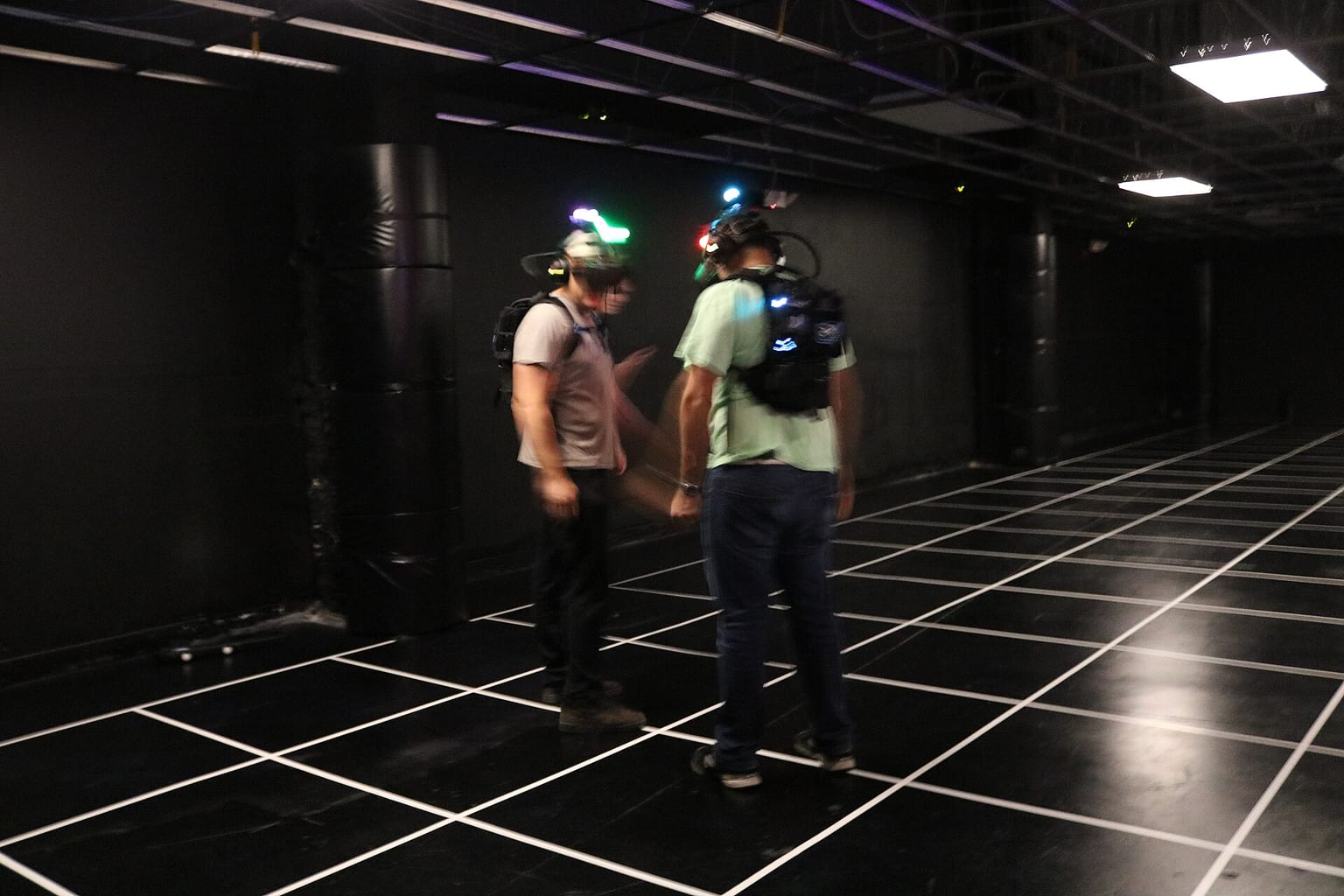
EEG recordings of 40 participants wearing a Meta Quest 2 showed brain-wave changes during VR sickness.
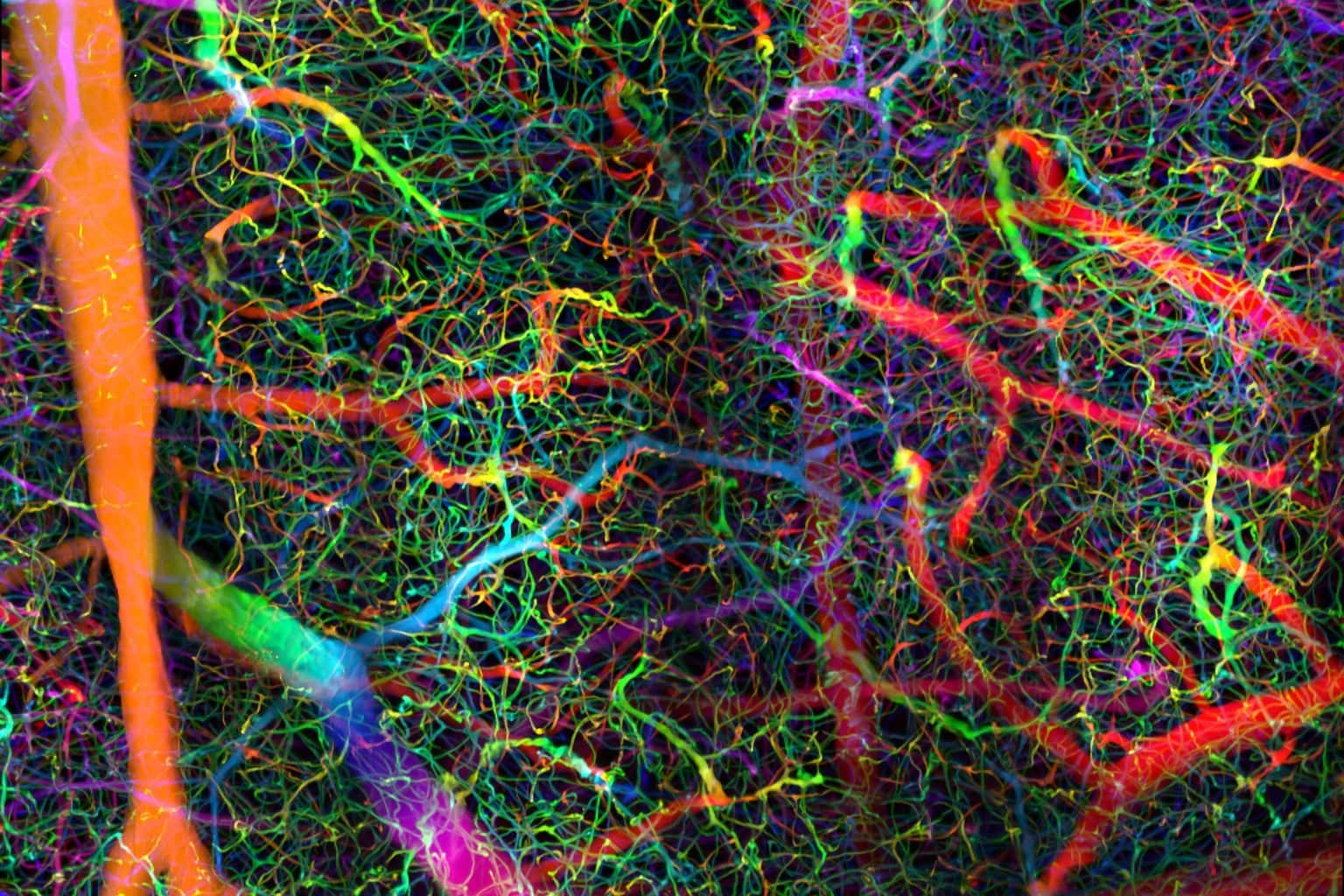
In mice, psilocybin forms new neural connections within 24 hours and helps them mature.
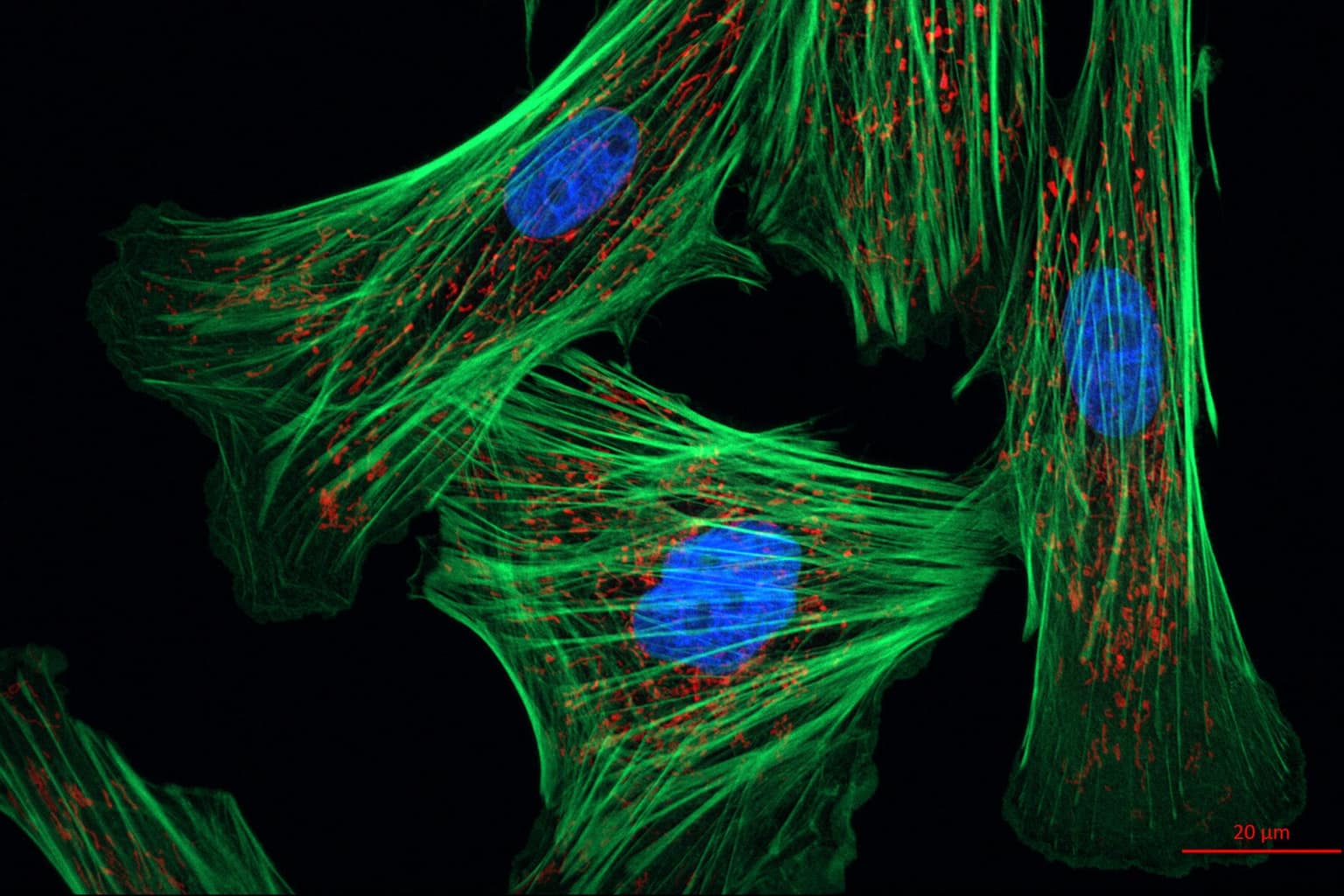
openDVP is an open-source workflow that links protein measurements to each cell's position in tissue.
Tumors disable the STAT2 immune-alarm gene by changing how its RNA is processed, with no DNA mutation.
A Harvard team is testing AI in South Africa to decide which Coach Mpilo users get referral incentives.
8 millionpeople living with HIV in South Africa, the highest number of any country
The model pairs classical statistics with deep learning to estimate each patient's survival risk.
1,980breast cancer patients in the public dataset used to test the model
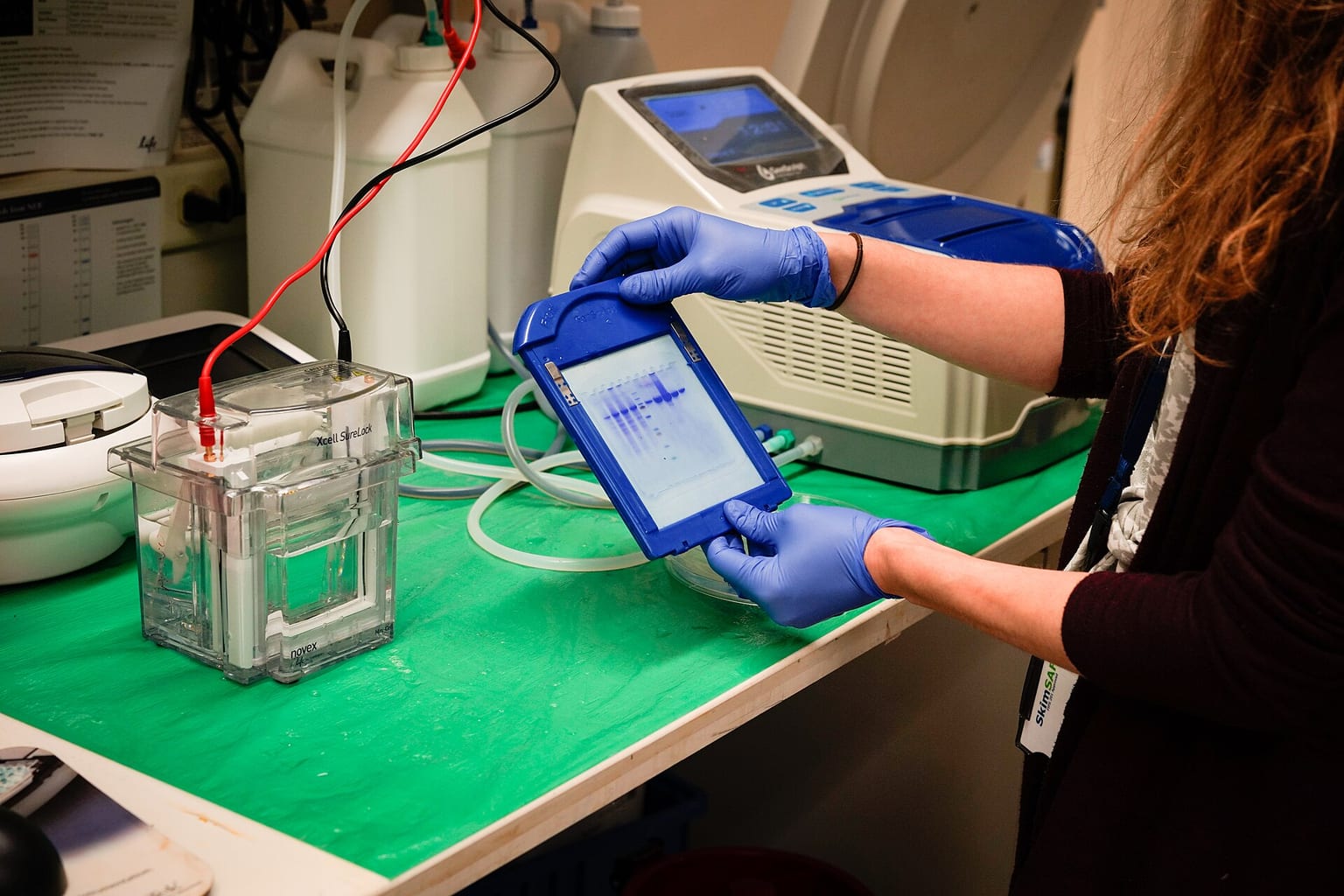
Tufts researchers built NanoMAP, software that groups alpaca nanobodies by sequence to flag the strongest candidates.
10xNanobodies are about 10x smaller than standard antibodies

Mayo Clinic’s DEXI scored 261 skin lesions in a retrospective study of 178 patients.
93.4%of cancerous lesions correctly flagged at the 3.0 threshold, vs 75% of noncancerous ones
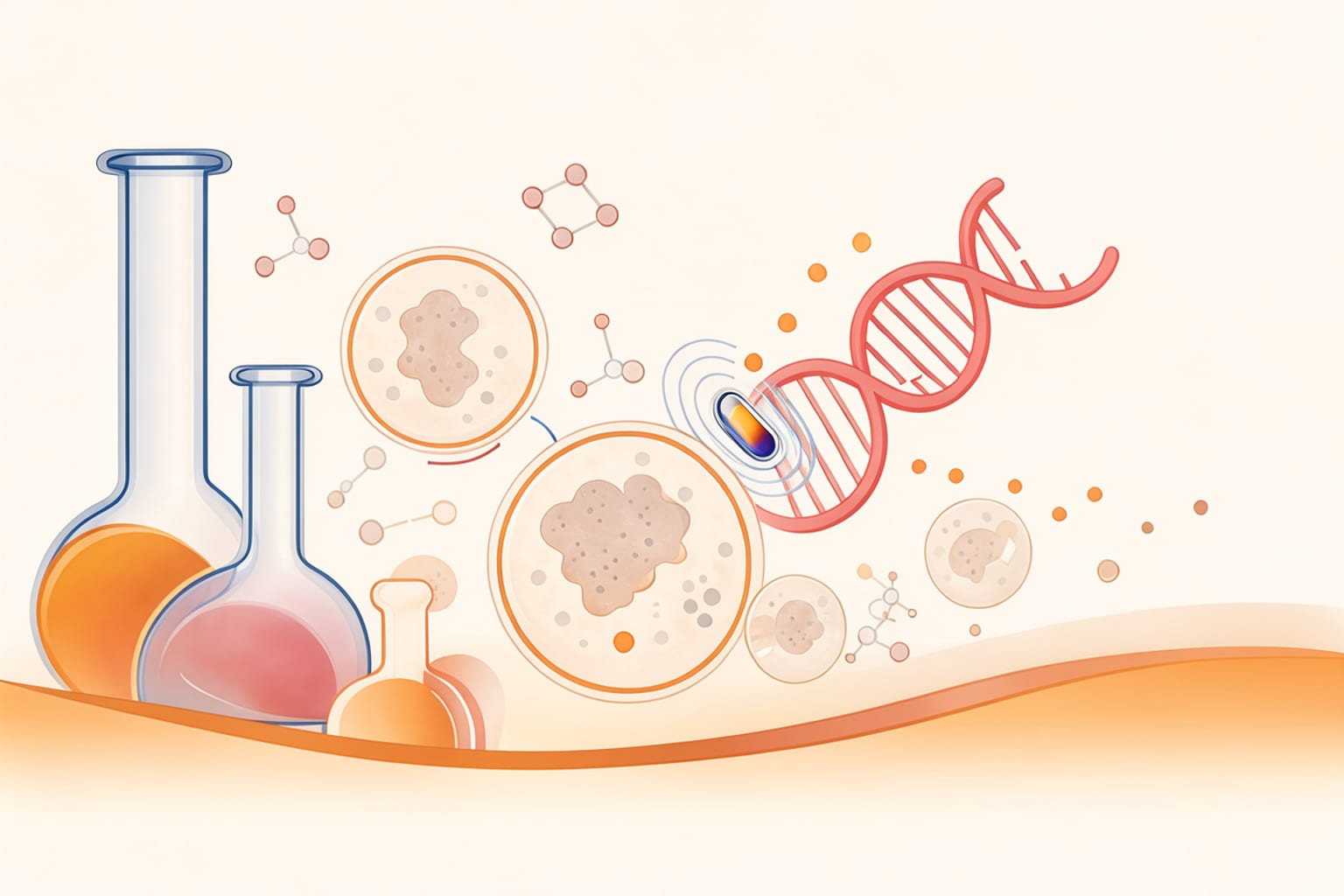
An implant lowers blood sugar in diabetic mice without drugs, cells or enzymes, using an electrically powered catalyst.
six weeksContinuous reliable operation of the implant in diabetic mice
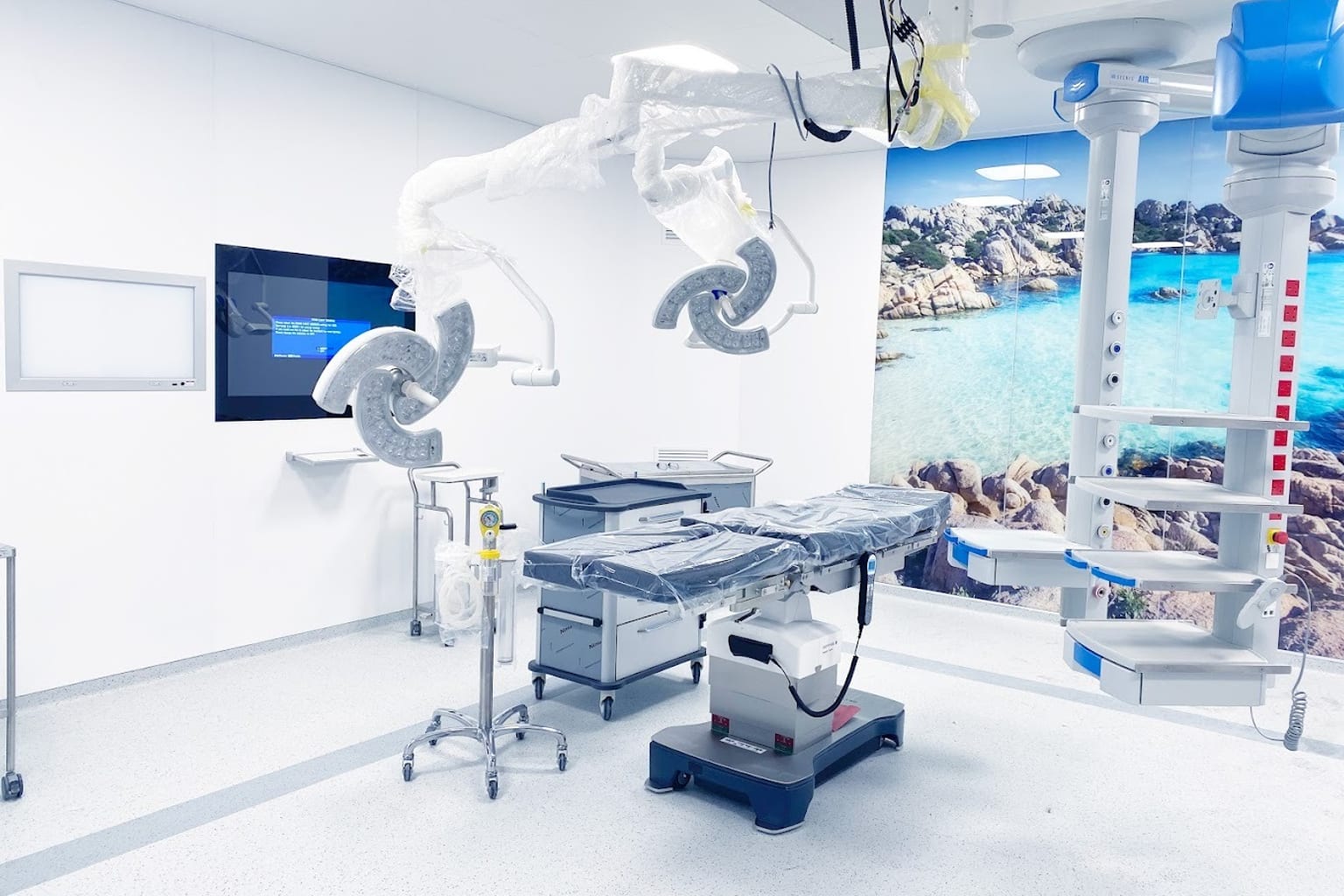
The AEGIS framework, from Karolinska Institutet, sets rules for checking medical AI updates after market approval.
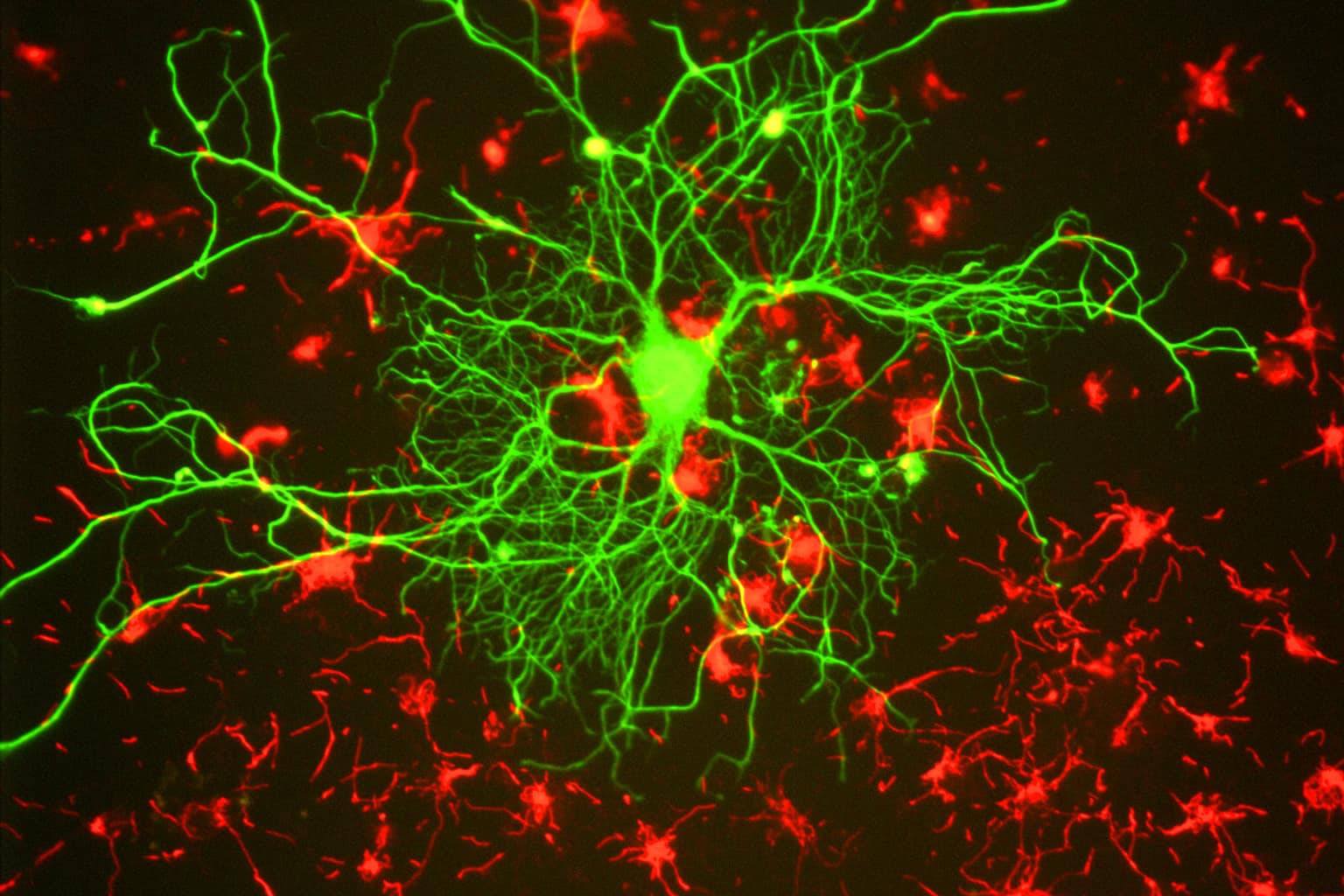
UCLA researchers briefly squeeze cell nuclei to loosen packed DNA so CRISPR can switch on identity genes.
40%Share of mouse skin cells that became neurons with the squeeze as a priming step, up from about 3% with CRISPRa alone
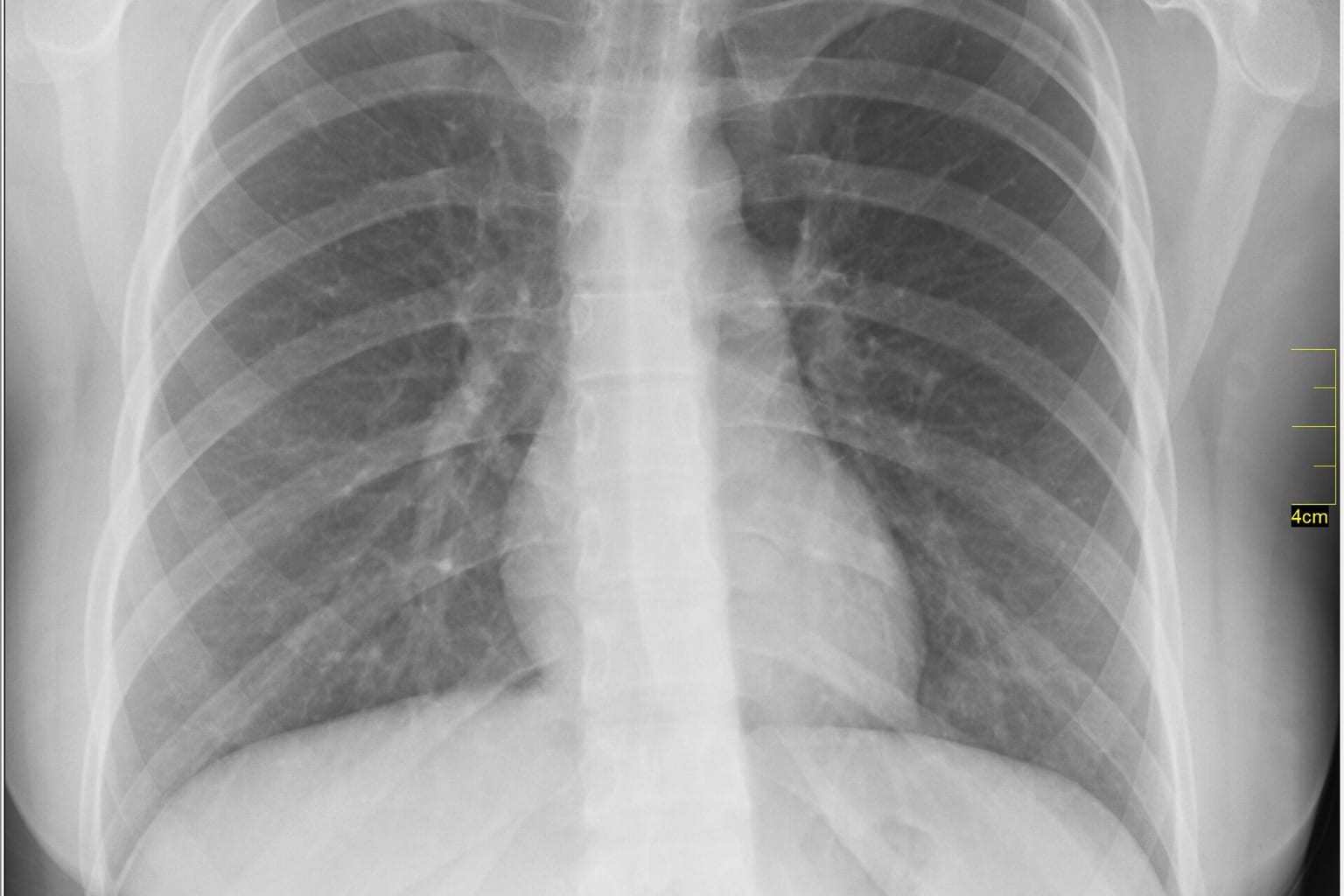
Researchers in Norway built an AI model that generates anatomically accurate X-ray-like images of feet with bunions.
19%of people worldwide have hallux valgus, per a 2023 meta-analysis of over 186 million people

Two blood proteins, GFAP and UCH-L1, rise after head injury; GFAP best separates injured patients from those with no pathology.
25%of patients have intracranial pathologies that CT scans miss
The trial plans to enroll 20 people aged 45 to 75 with early-stage Parkinson's, at Mayo Clinic in Rochester, by invitation only.
20Participants planned, aged 45 to 75, with early-stage Parkinson's
The method detects cadmium, chromium, lead and titanium in a single pass, using a lab technique.
fivecommercially available packaging samples tested, none above safety thresholds for the four metals