HealthLab
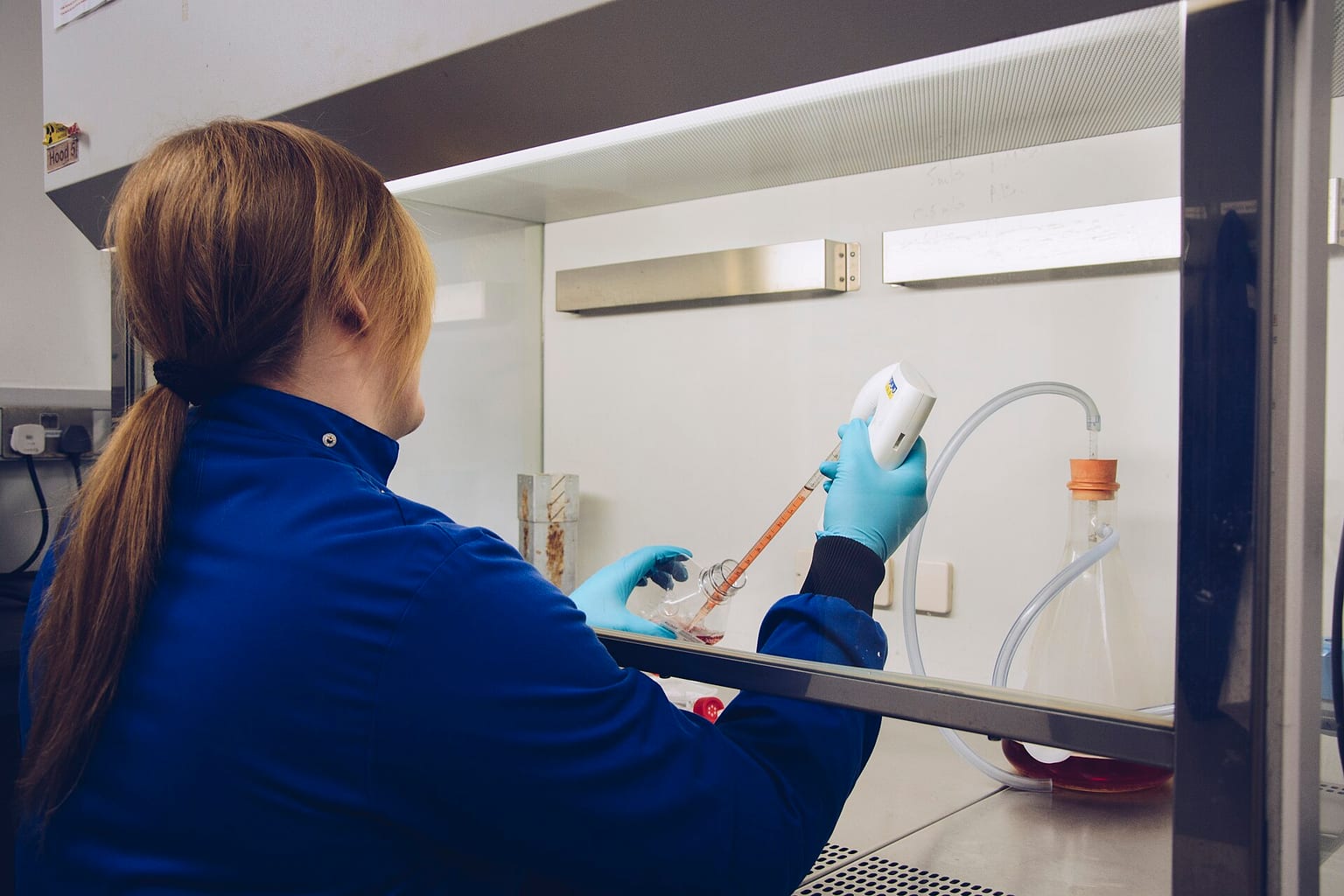
In the lab, light checks grown cartilage without destroying it
A University of Eastern Finland thesis shows light plus machine learning can gauge cartilage maturity.
Written by AI2 min1 source
Diagnostics, prosthetics, vaccines, genomics: the medicine that adds years to a life.
Medicine that wins years of life: AI-assisted screening examining millions of patients, next-generation vaccines, genomics moving from sequencing to treatment, prosthetics and implants restoring lost abilities. The section follows completed clinical trials, market authorisations, hospital roll-outs — the moment a technology stops being a paper and becomes care.
The numbers rule: cohorts, detection rates, avoided mortality, costs. We gladly cover the health systems deploying at scale — India, Brazil, Southeast Asia — because frugal technologies often prove themselves there before arriving anywhere else. Every article rests on the trial, authorisation or study behind it, and cites them.
A University of Eastern Finland thesis shows light plus machine learning can gauge cartilage maturity.
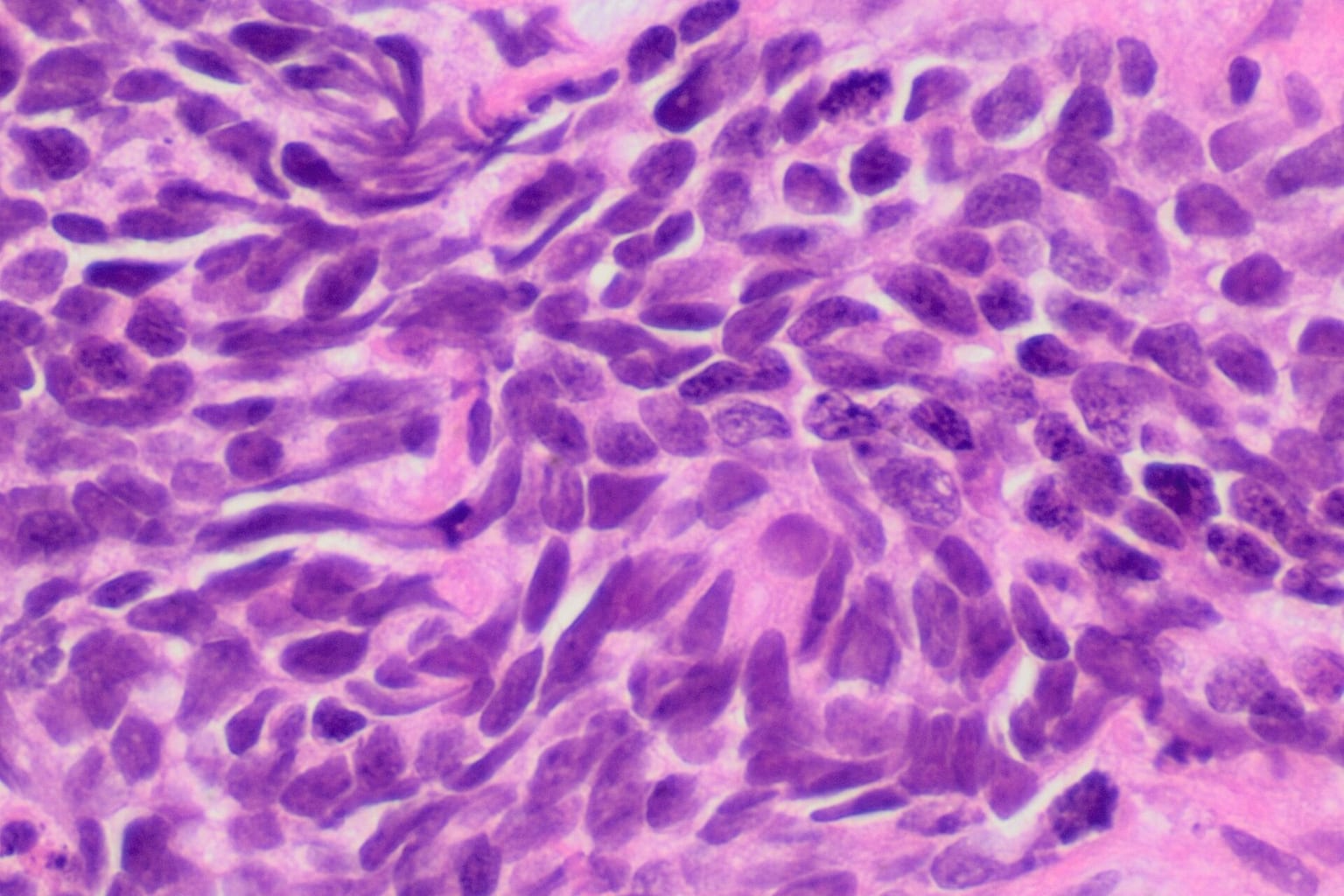
University of Cologne researchers found every tested form of small cell lung cancer relies on cysteine, an amino acid.
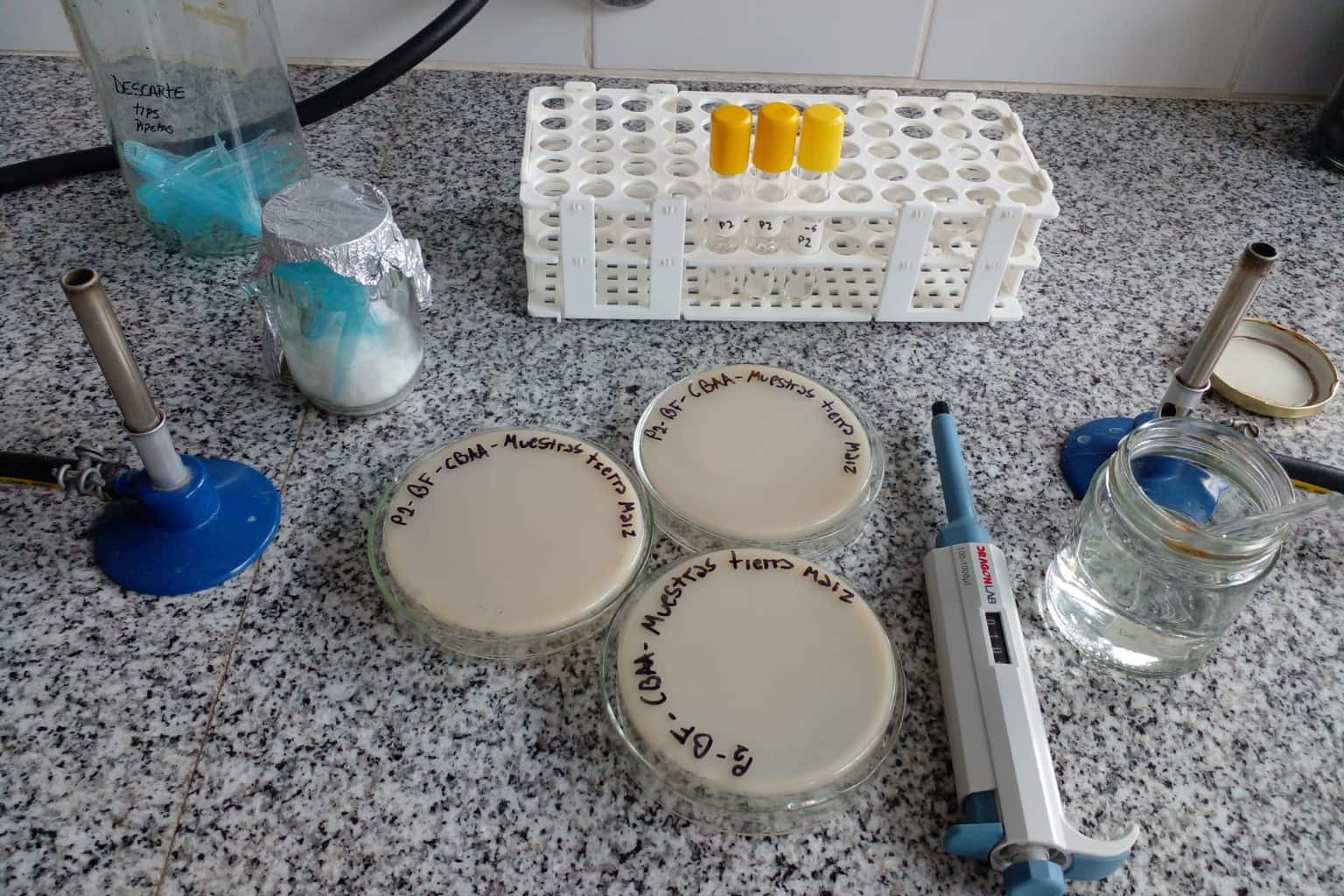
Max Planck and University of Marburg researchers traced how the GameXPeptides of insect-killing bacteria evolved.
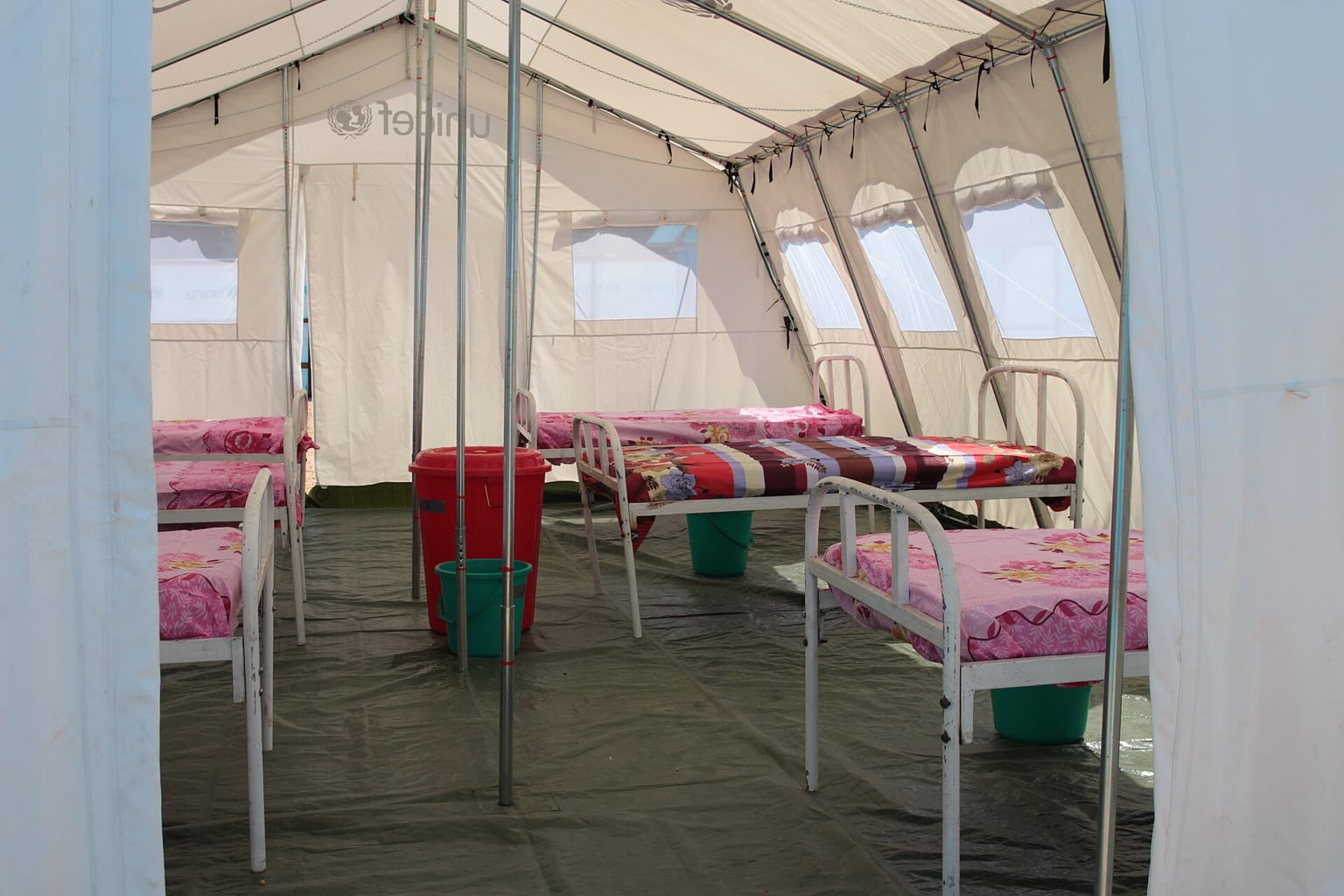
Ebola outbreaks in Africa are linked to large climate oscillations thousands of miles away, the University of Malaga team found.
6 to 12 monthsEstimated useful window before a potential outbreak, according to the researchers
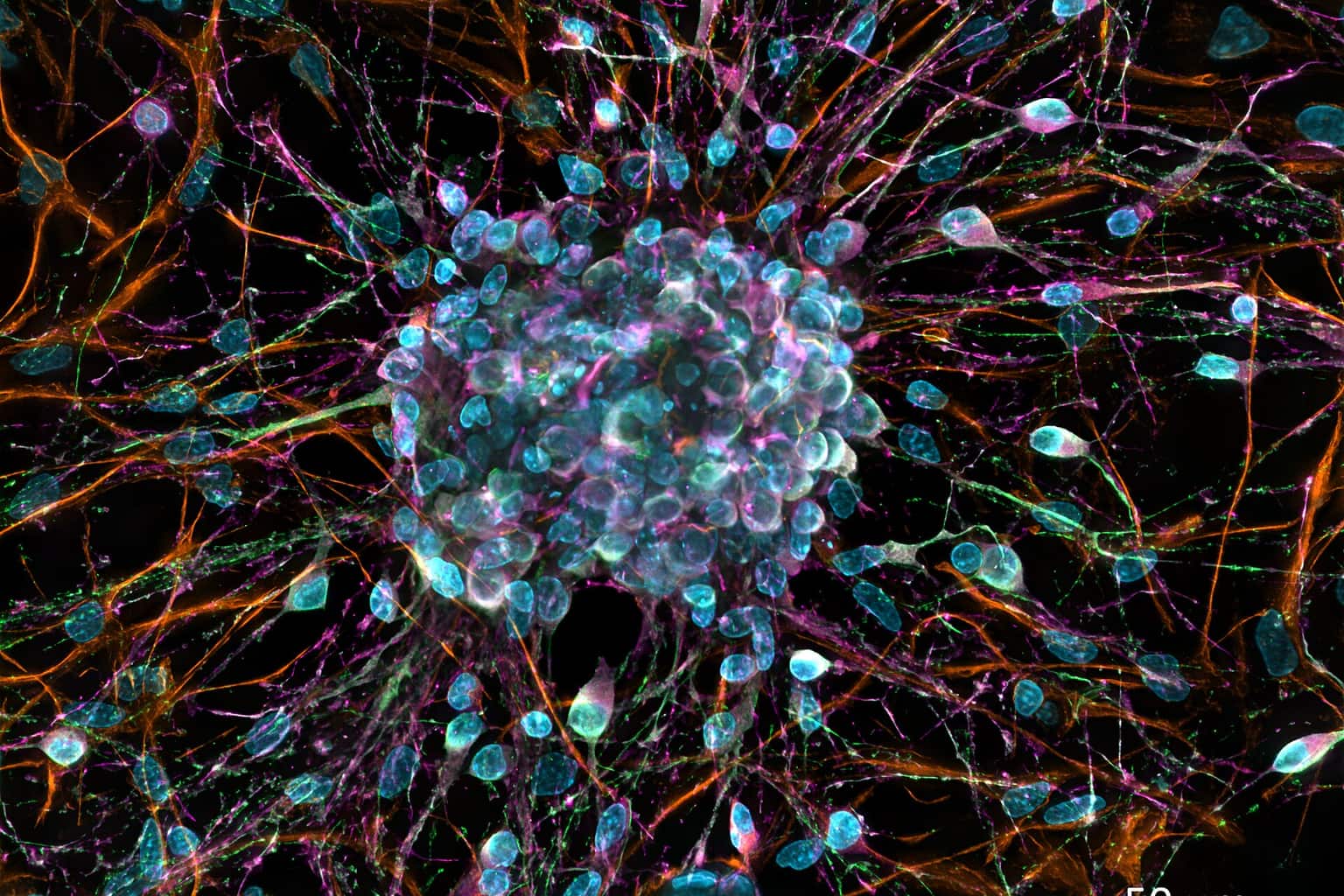
Blue light switches on a receptor that opens a potassium channel, which makes the cell less excitable.
University of Queensland's NASTIC platform watches proteins move inside living brain cells, one molecule at a time.
A University of Tokyo-led team has imaged the bacterial enzyme SacC mid-task, a lab result not yet tested outside the lab.
seven-stepcatalytic cascade by which the enzyme SacC builds the five-ring core in a single pass
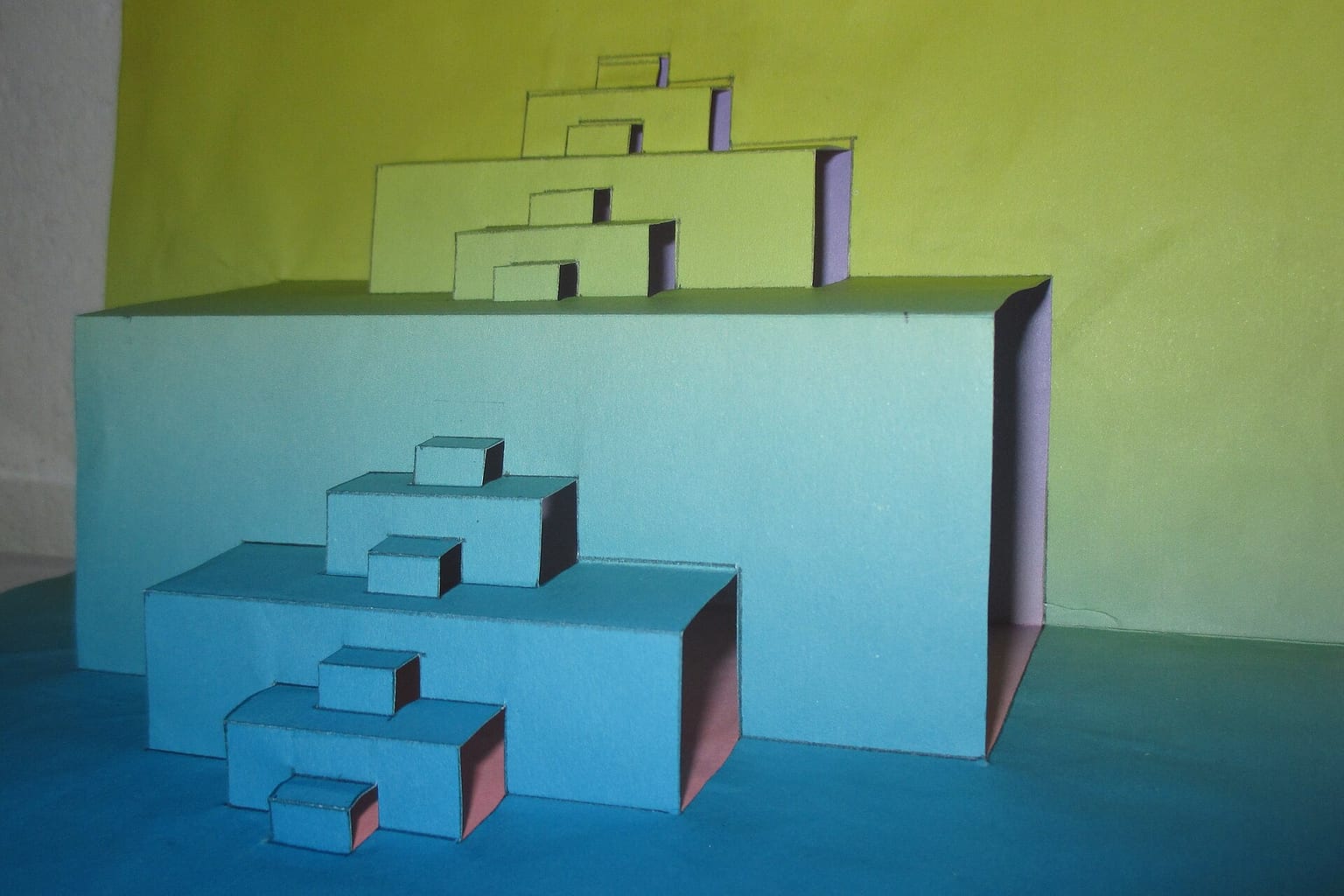
Researchers at the University of Illinois Chicago program gels so they bend into 3D shapes on their own.
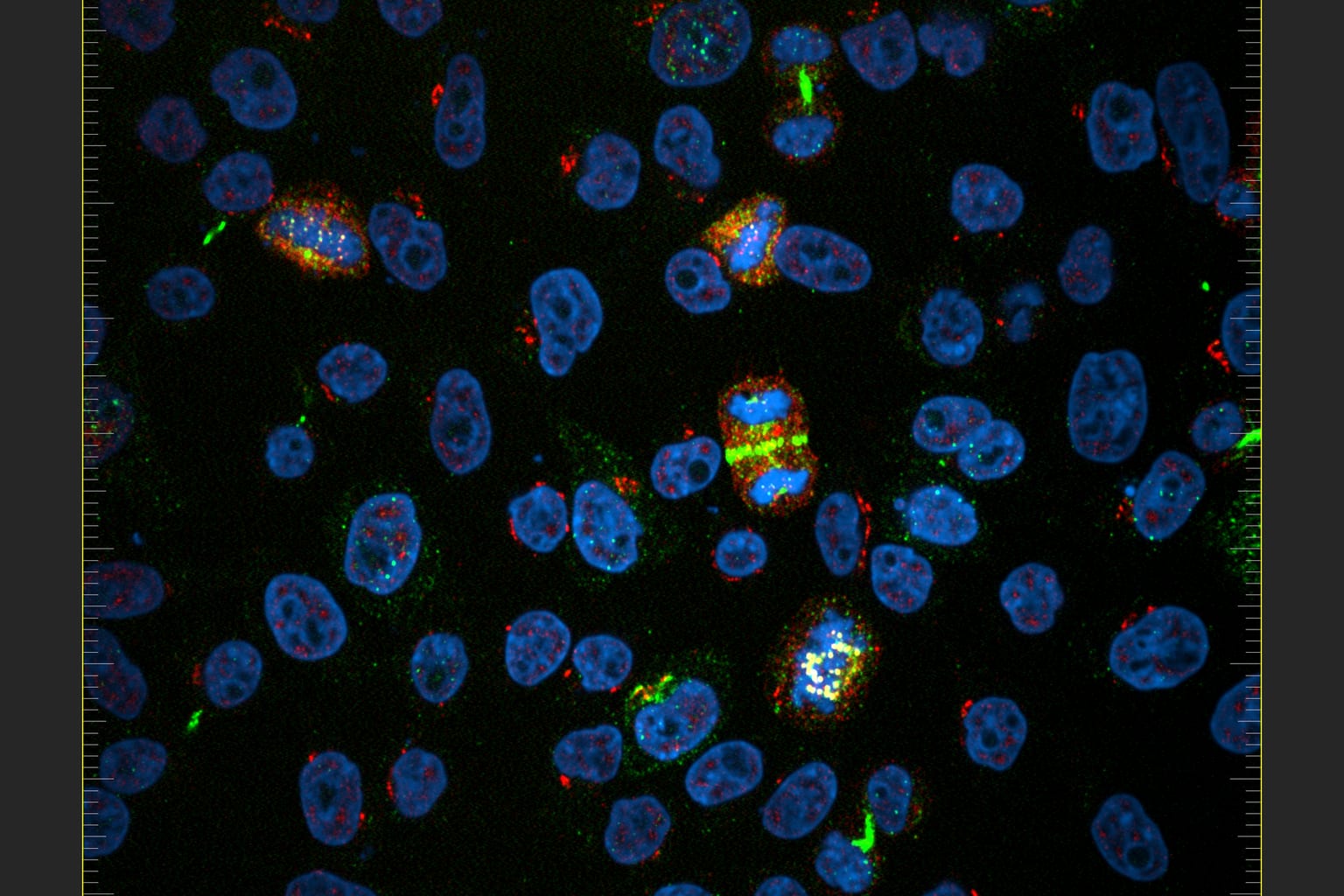
Kanazawa University researchers watched antibodies bind single cancer-linked vesicles in real time.
93.5%of vesicles from one patient's tumor-derived cells showed detectable antibody binding
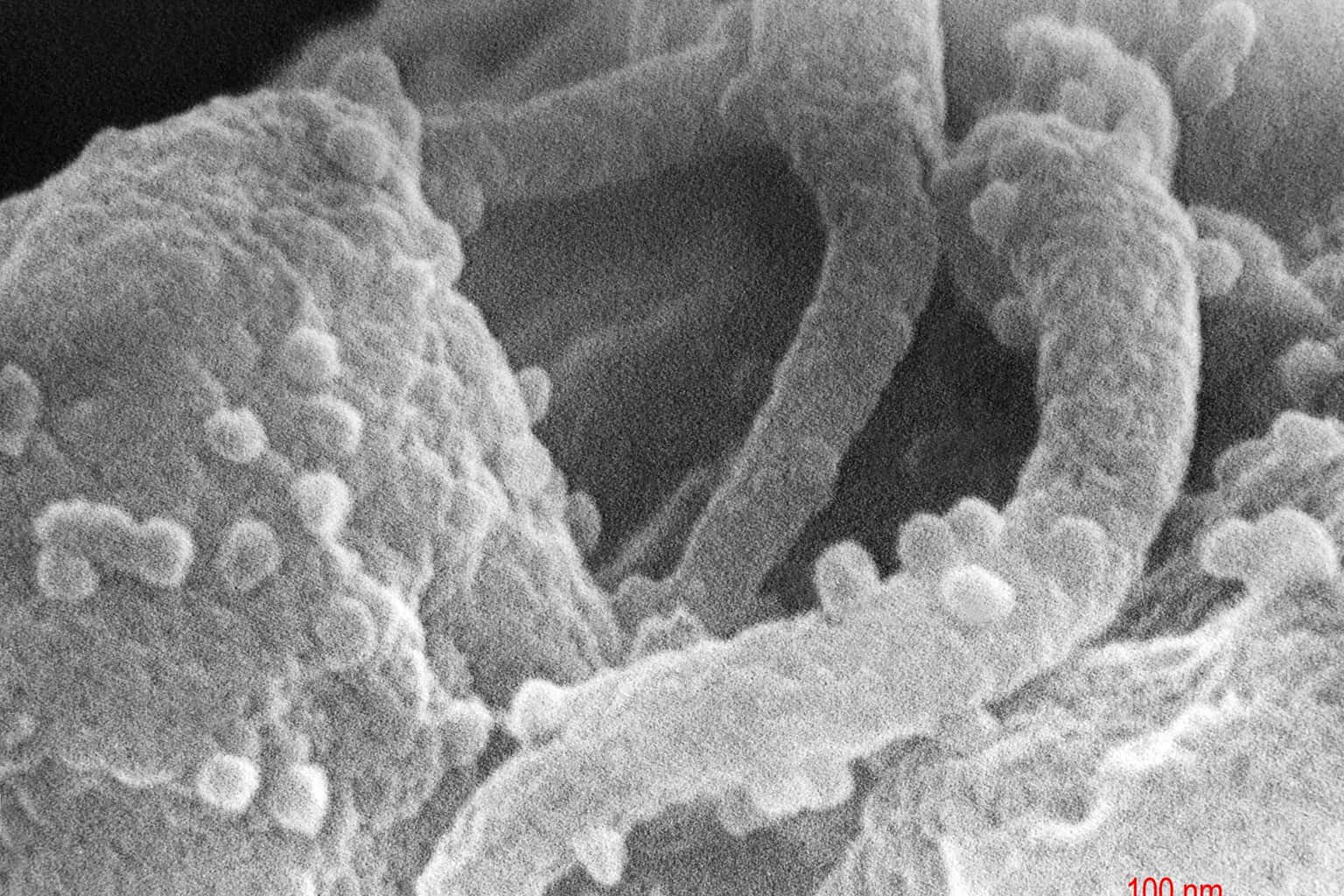
In lab work, researchers at Purdue University and the NHLBI found that CD46 keeps naive T cells from self-destructing.
500 million yearsAge of the complement system, according to NHLBI researcher Claudia Kemper
Tsinghua University and PLA Medical School researchers built Airscope, a wearable microscope weighing 1 gram without its battery.
8,500neurons imaged in a single freely moving mouse, 25 times existing wireless devices
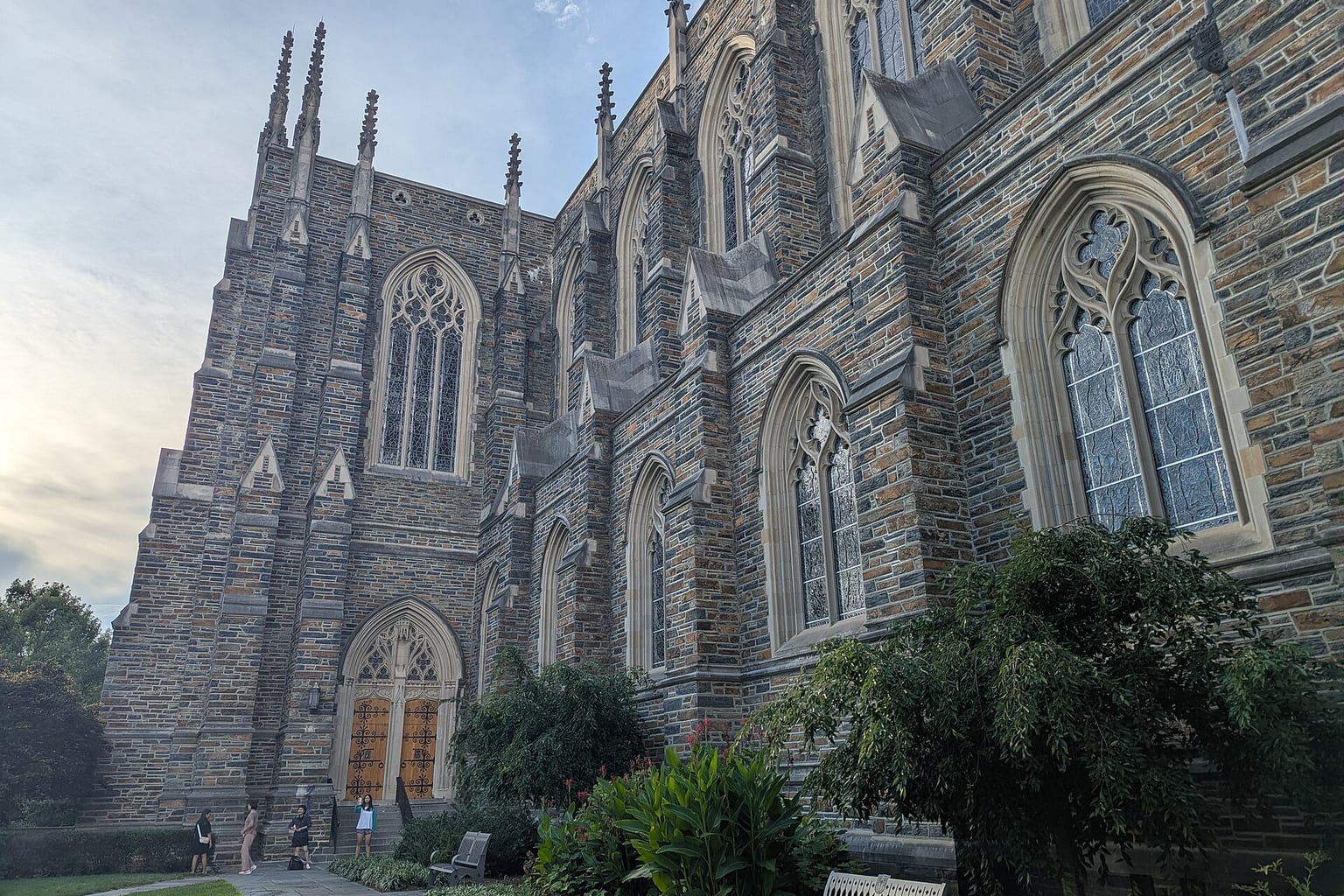
Duke University researchers built TULIP, which tracks movement in 3D with cameras and no body sensors.
45 to 60 degreesChange in leg angle, given as an example of gait improvement measured by TULIP
Nagoya University researchers found that motor neurons switch on an unexpected protein-digesting machine to clear a protein tied to ALS.
10,000People affected by ALS in Japan (roughly, per the source article)
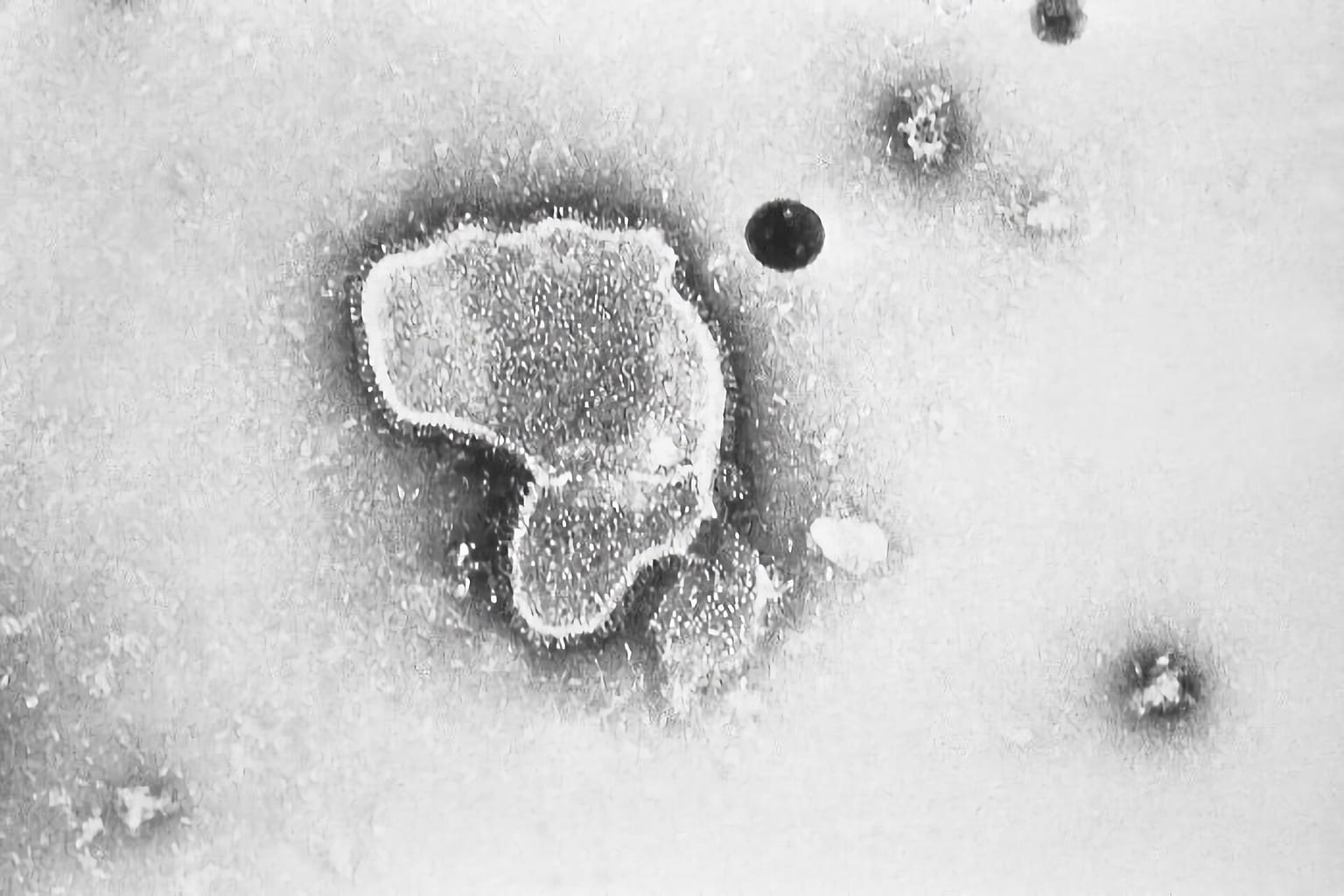
Washington State University researchers found how to turn up a defense pathway that human cells already use against viruses.
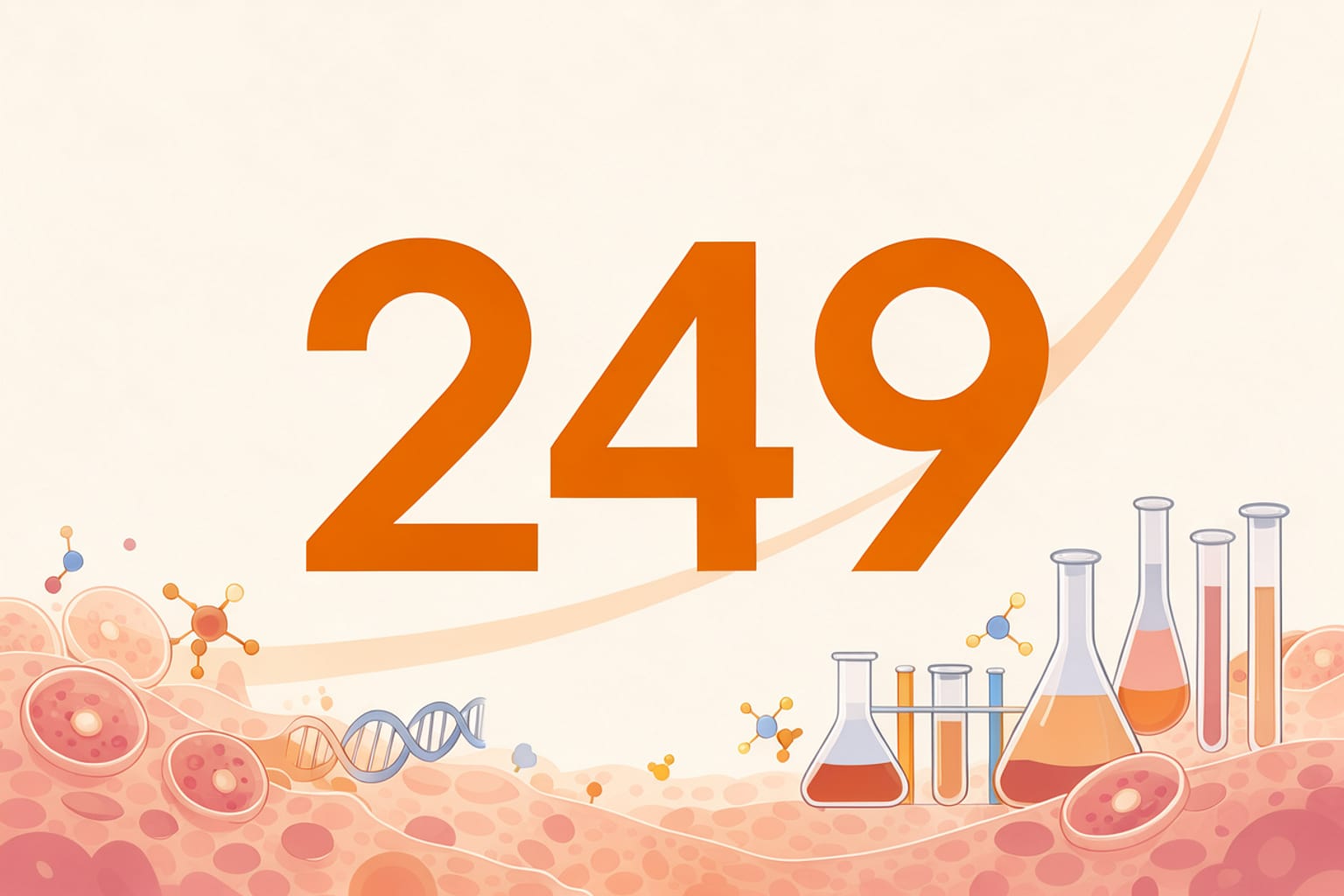
University of East Anglia researchers rebuilt bacterial genomes from DNA data that is normally thrown away.
249near-complete bacterial genomes recovered from 194 prostate cancer patients
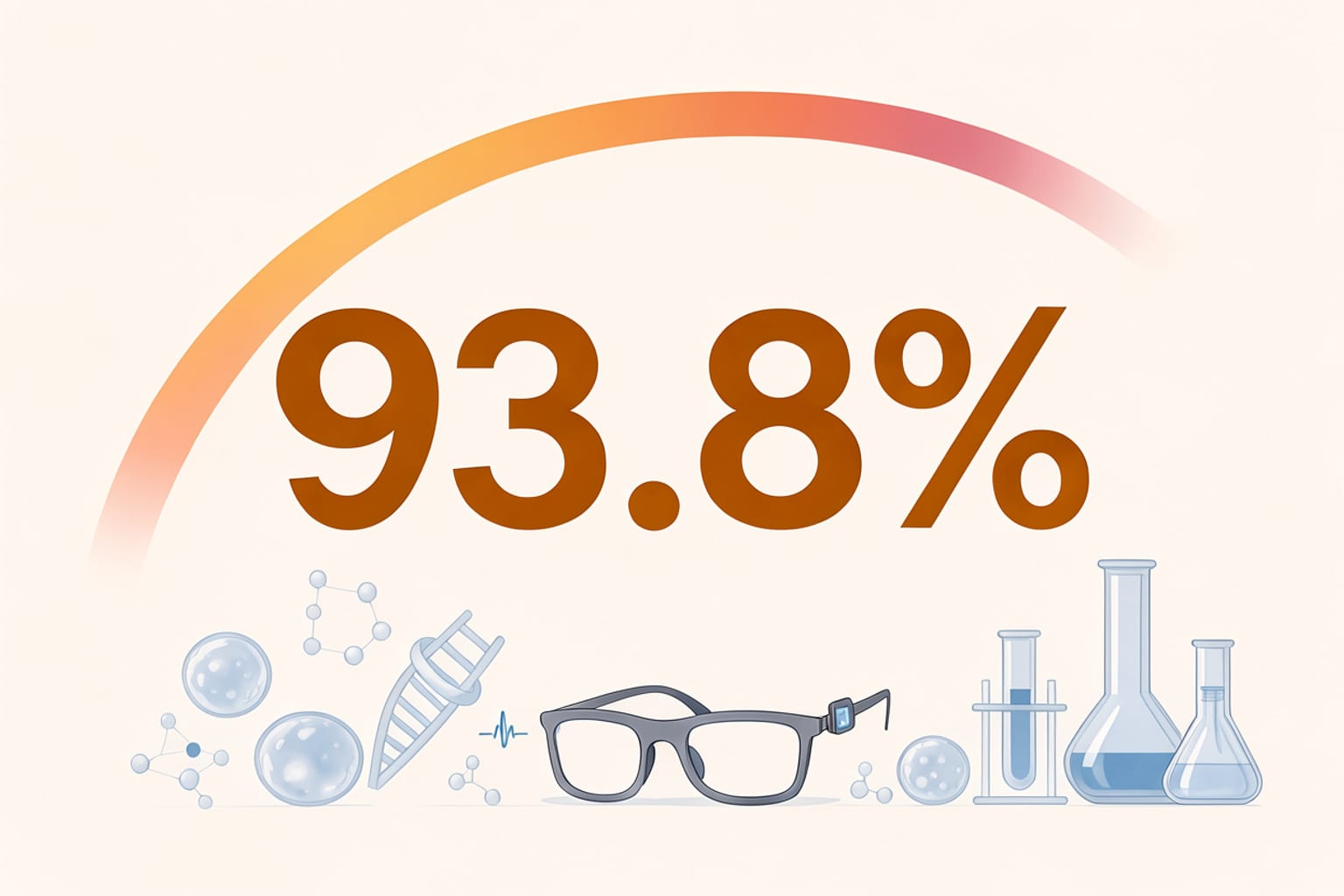
Northwestern University's GlassTENG glasses run on the energy of blinks, smiles and jaw movements, with no battery.
93.8%Overall accuracy in identifying the wearer's activity, tested on 20 volunteers

Gannan Medical University researchers tested synthetic peptides from a mushroom in the lab, not in food yet.
70.59%Saltiness enhancement by the peptide ASHGEGF in lab taste tests
University of Aberdeen researchers built 3D cerebroids from developing human cortical tissue.
3DDimensional format of the ex vivo human brain-tissue model