Micro-LED hits 2.75 GHz in lab, a record for data center links
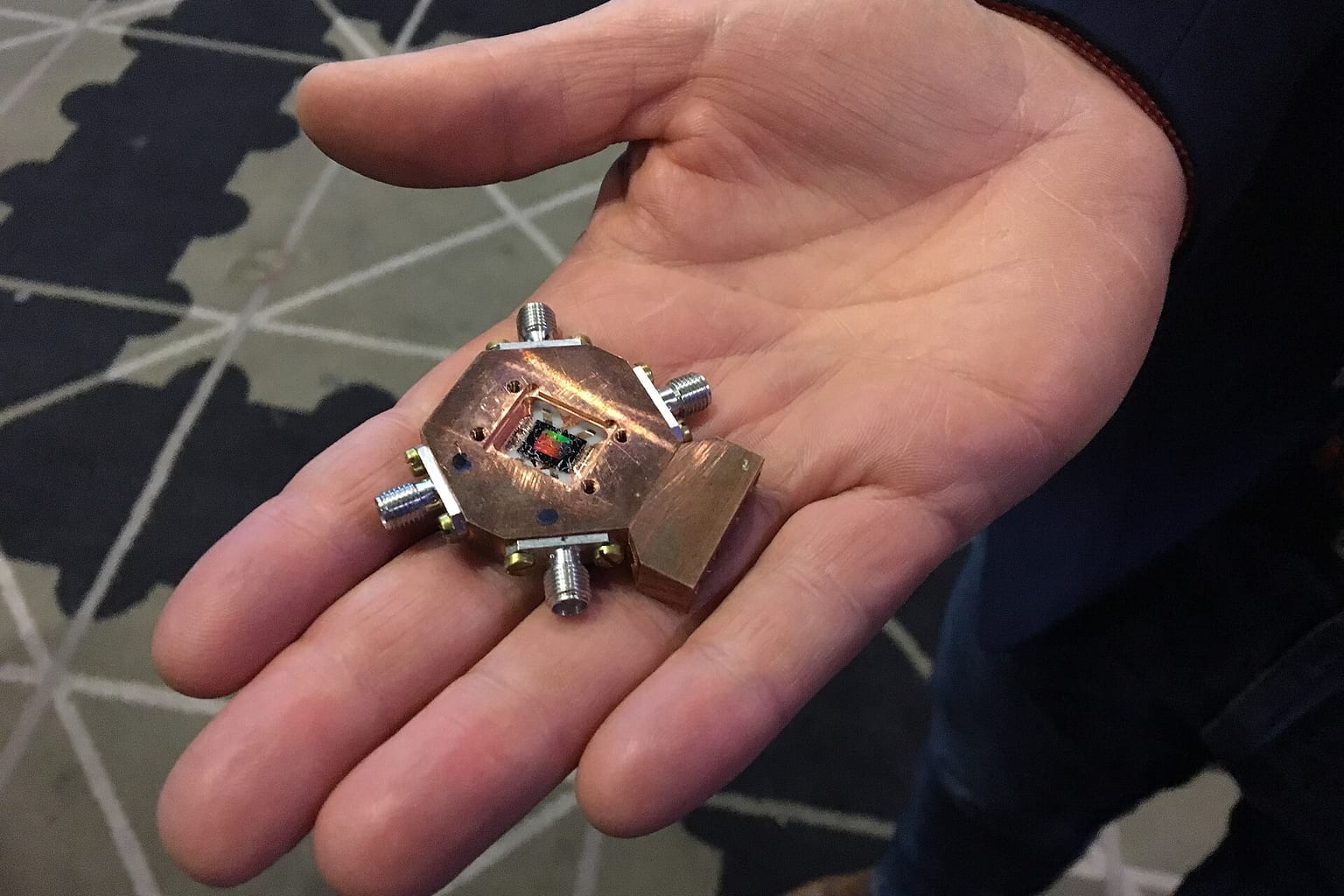
A 5-micrometer gallium nitride micro-LED reached 2.75 GHz, a record for quantum well LEDs.
2.75 GHzRecord switching speed for quantum well LEDs, measured in the lab, at 25 mW
Chips, lithography, efficiency, quantum: more computing for fewer watts, and what we will do with it.
Computing is the hidden resource behind everything else: without efficient chips there is no artificial intelligence, no autonomous vehicle, no smart grid. The section follows process nodes shrinking — 2 nanometres and beyond — architectures doing more operations per watt, memory, interconnects, and quantum computing whenever it produces verifiable results rather than promises.
We read the roadmaps of TSMC, Samsung, Intel and the Chinese foundries, the architecture papers, the independent benchmarks. The angle never changes: efficiency — compute per unit of energy — matters more than raw performance, because it decides what will actually run, from the data centre to the phone. Every article gives its orders of magnitude and cites its sources.
A 5-micrometer gallium nitride micro-LED reached 2.75 GHz, a record for quantum well LEDs.
2.75 GHzRecord switching speed for quantum well LEDs, measured in the lab, at 25 mW

CADFit, built by MIT PhD student Ghadi Nehme, rebuilds editable CAD models from raw 3D meshes.
a factor of threeFaster with the optional sketch-recognition model, according to the developer

Emory University physicists predict light can reveal where anyons sit in a material, through a shift in energy.

The cluster is one liquid-cooled SuperPoD with 1,024 Ascend 950DT NPU cards and 256TB of unified memory.
1 EFLOPSof FP8 AI compute in one liquid-cooled cluster, built in one month (launch-event figures)

MIT researchers built Social.Wiki, where any user can edit a social app without leaving it.

Moore Threads has released Megatron-MUSA-Titan on GitHub, a stack for training AI models on its own GPUs.
10,000-GPU-class clustersClusters where the stack has run trillion-parameter training, per the company

A 0.3 nm IrMn layer between a magnetic insulator and platinum gave the strongest spin signals in the tests.

A Brown University team grew bismuth ferrite films that stay ferroelectric and magnetic at a few angstroms thick.

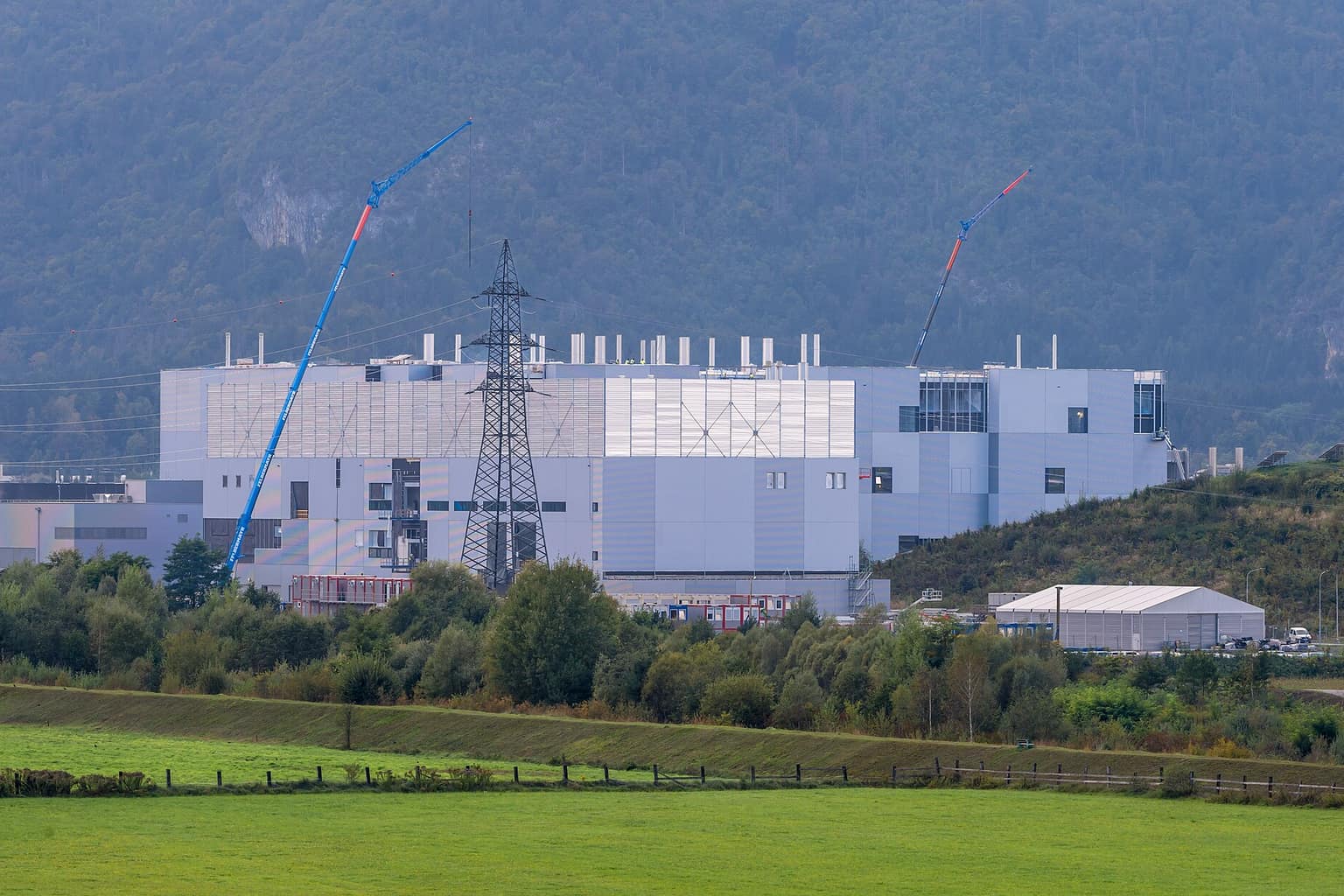
Infineon is converting an existing cleanroom in Villach, Austria, for gallium nitride power semiconductors on 300mm wafers.
1,700 voltsBlocking voltage up to which gallium nitride power semiconductors can switch

Two single-qubit operations ran in 6.8 nanoseconds, with measured accuracies of 99.981% and 99.989%.
6.8 nanosecondsSingle-qubit operation, versus typically several tens of nanoseconds; lab result

A converter built by USTC and Jinan Institute of Quantum Technology researchers turns 393 nm UV photons into 1550 nm telecom light.
28.8%External photon-conversion efficiency in lab tests, with 35 counts/s of noise

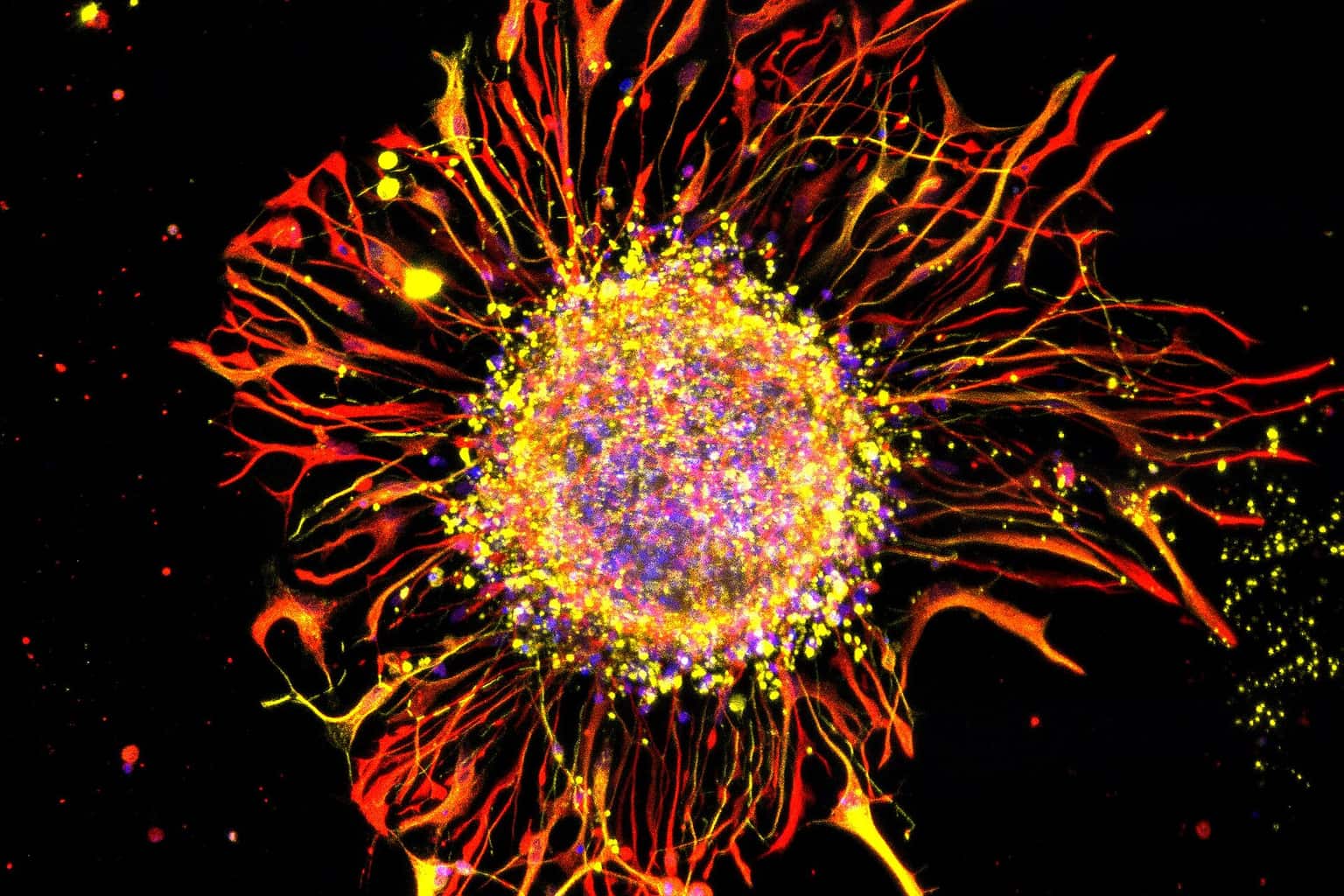
Cortical Labs linked 15 CL1 biological computers, built on lab-grown neurons, into one system it calls HIVE.
99%Symbol-recognition accuracy with seven linked machines, up from around 80%; company lab test

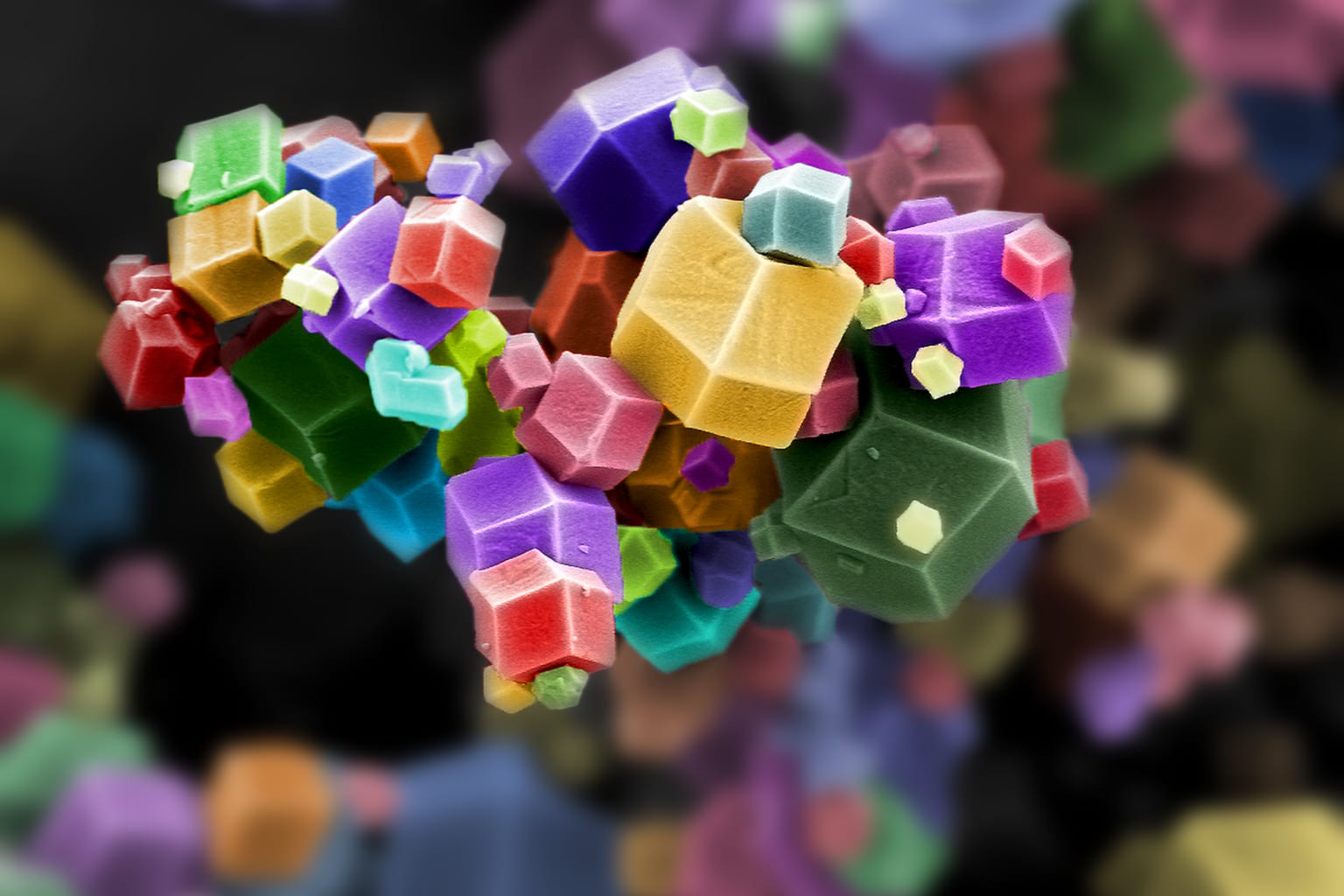
A KAIST-led team has built working chip gate electrodes from metal-organic frameworks, whose electronic properties chemistry can tune.
23IGZO transistors on one substrate, all working after a single patterning step (lab)

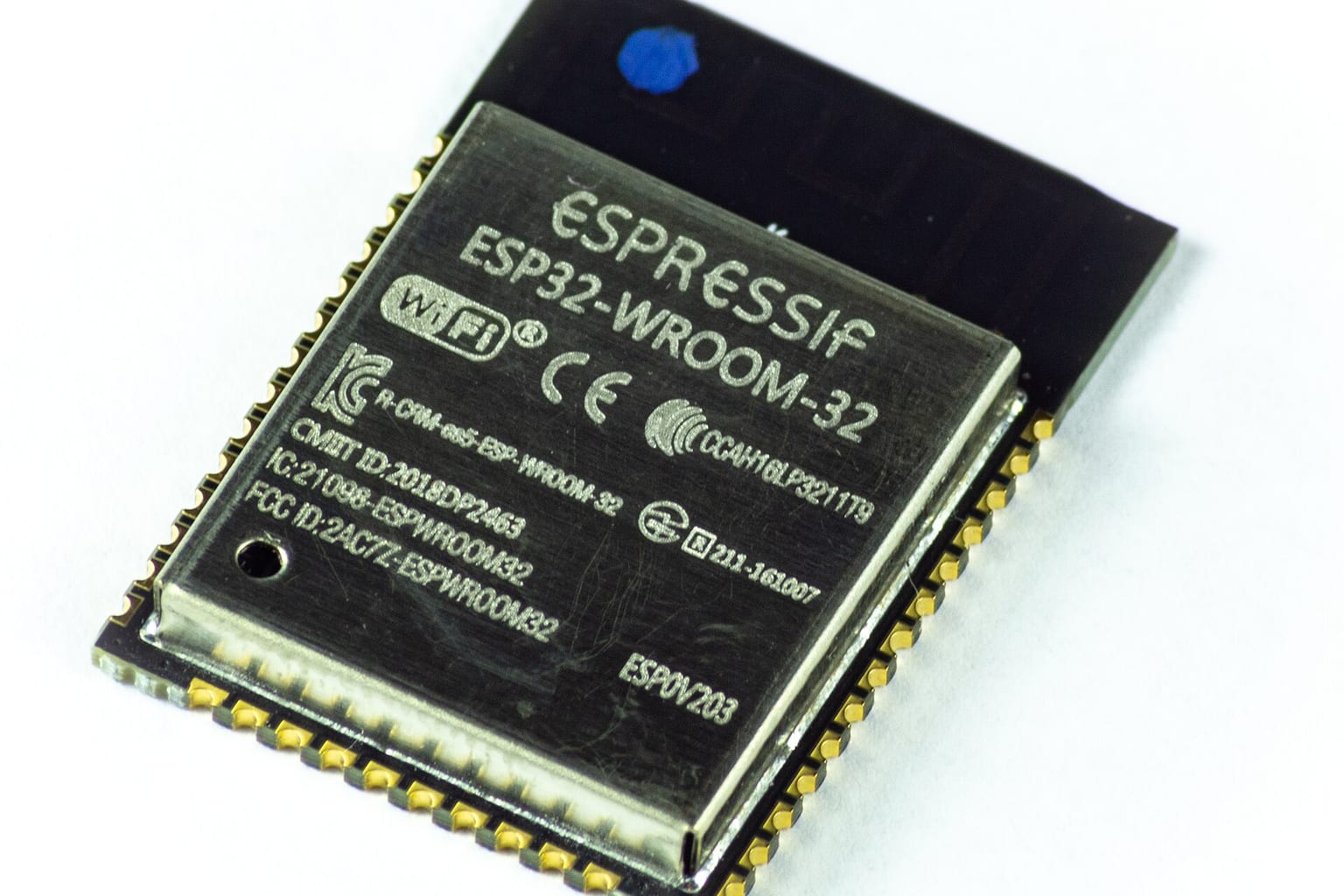
The ESP-SDR firmware turns an ordinary ESP32 chip into a 2.4 GHz radio receiver, with no extra hardware needed.

A third quantum dot lets a spin qubit be tuned for speed and noise resistance after manufacture.
580 nanosecondsdephasing time, up from about 52 ns, in a lab device with feedback

YouTube plans to deliver its first videos in the new AV2 codec starting in early 2027, initially on the web.
about 30%efficiency gain over AV1, according to AOMedia; independent comparisons are still lacking

The 424 nm wavelength for a SiC defect, listed in international standards for 15 years, has been corrected to 459 nm
459 nmTrue emission wavelength of the SiC defect, correcting the 424 nm used in international standards for about 15 years (research team analysis)

The Shaoxing lab's first-phase cleanroom is finished, and part of its equipment has arrived.
400-picosecondWrite speed of Fudan's flash device, reported in April 2025 (laboratory result)