ComputingLab
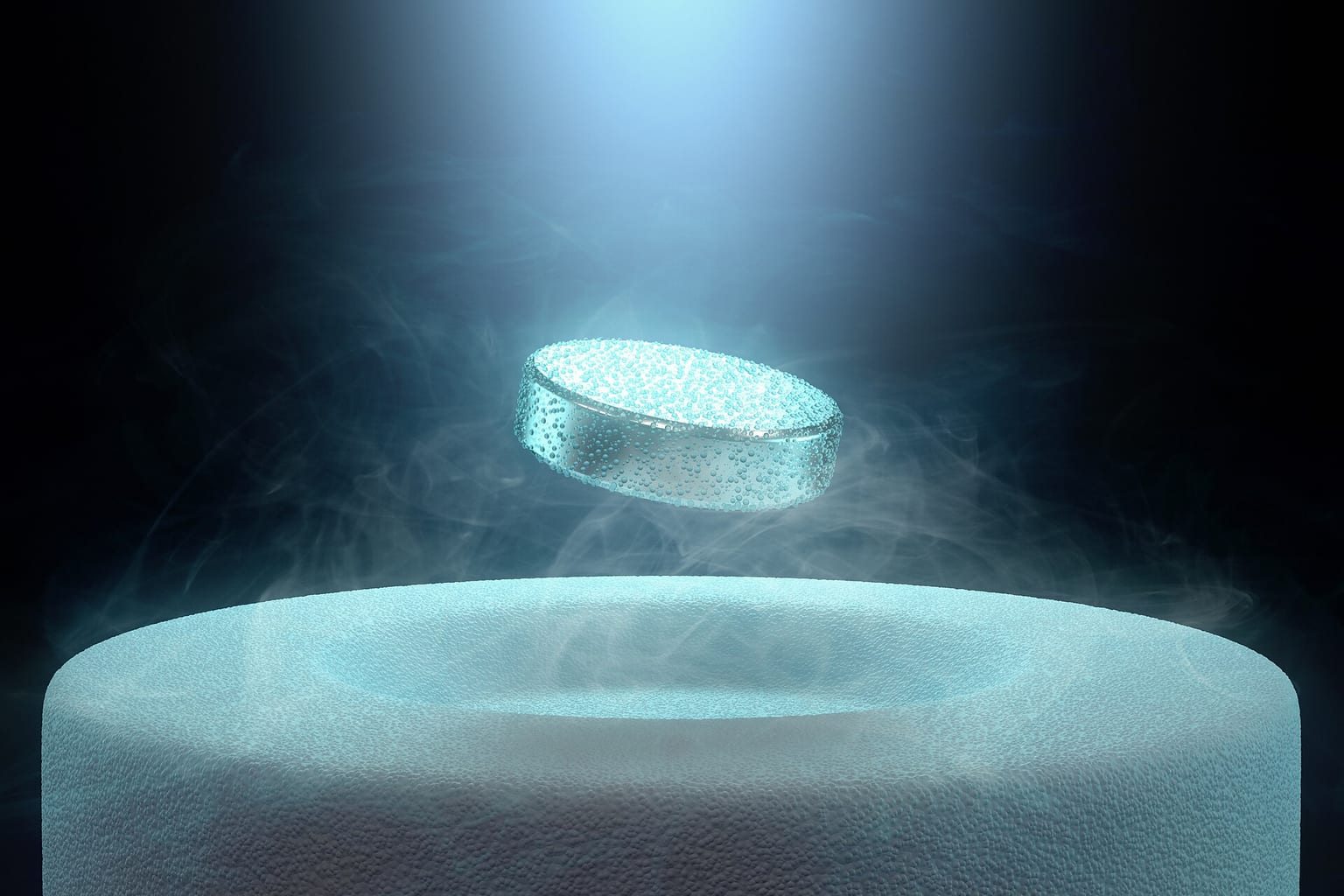
In the lab, a laser draws superconductivity at the nanoscale
A focused laser can switch a copper-oxide film between superconducting and insulating zones, point by point.
Written by AI2 min1 source
Chips, lithography, efficiency, quantum: more computing for fewer watts, and what we will do with it.
Computing is the hidden resource behind everything else: without efficient chips there is no artificial intelligence, no autonomous vehicle, no smart grid. The section follows process nodes shrinking — 2 nanometres and beyond — architectures doing more operations per watt, memory, interconnects, and quantum computing whenever it produces verifiable results rather than promises.
We read the roadmaps of TSMC, Samsung, Intel and the Chinese foundries, the architecture papers, the independent benchmarks. The angle never changes: efficiency — compute per unit of energy — matters more than raw performance, because it decides what will actually run, from the data centre to the phone. Every article gives its orders of magnitude and cites its sources.
A focused laser can switch a copper-oxide film between superconducting and insulating zones, point by point.

A quick check of the qubit's frequency before each run cut its average error rate by about 54%.
54%Average error rate of one qubit cut by about 54% with feedback, measured in the lab
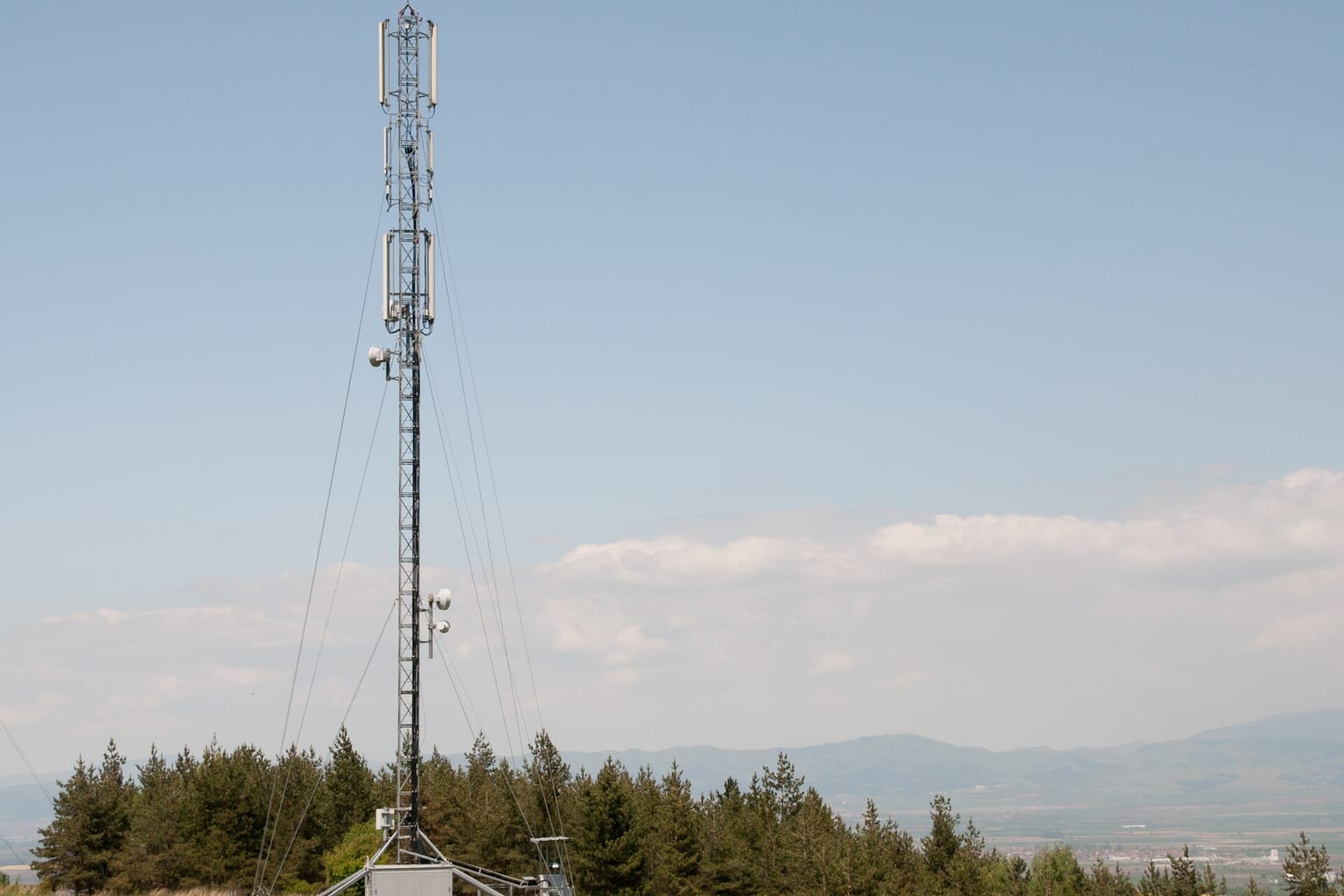
Devilray reproduces 2,592 fake-tower configurations, built from a commercial device and the 3GPP standards.
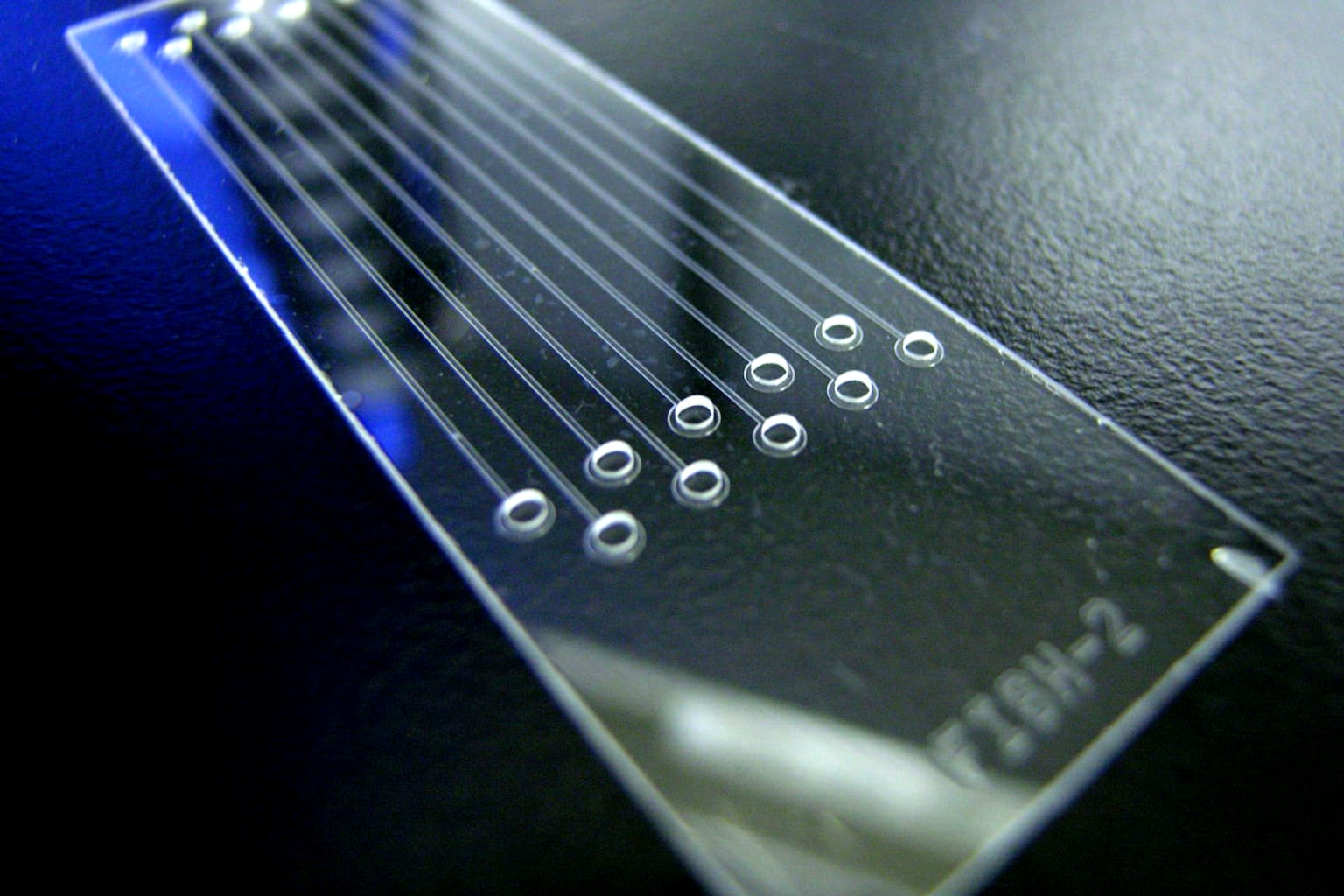
A McGill-led team built a biocomputer where bacteria explore many possible solutions in parallel.

Users without a haptic device can see roughness in a lab test, shown as three outline levels on a virtual hand.
approximately 23%faster sorting with roughness cues on both hands, vs none (lab study)

Andrija Panić has developed OpenVDDK, a free replacement for Broadcom's locked VDDK.

OpenAI's Pando cut median Git push latency by nearly 80% on its monorepo, the company says.
nearly 80%Cut in median Git push latency at OpenAI, per the company

Nurion, Korea's fifth national supercomputer introduced in 2018, delivered measured performance of 25.7 petaflops, 70 times faster than the fourth system.
70 timesMeasured performance versus the fourth system (25.7 petaflops at its 2018 launch)
The Wuxi cluster went from trial runs in July to commercial service in October, with 55 customers onboarded.
92.9%Cluster utilization reported by its operators after going commercial in October
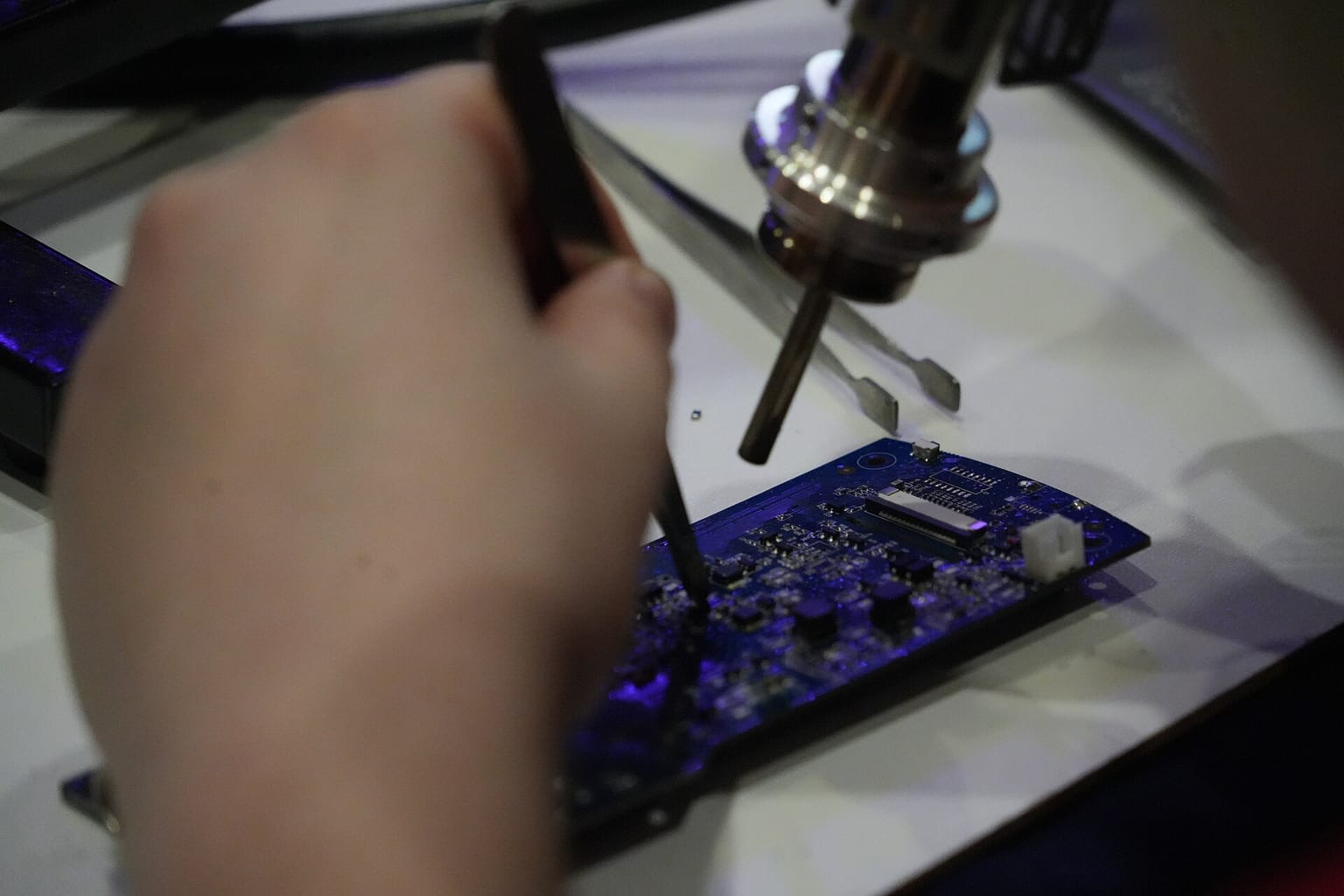
A University of Florida team built chip-scale inductors with a nickel and iron oxide nanoparticle composite.
more than twiceinductance of comparable devices without a magnetic core, measured in the lab
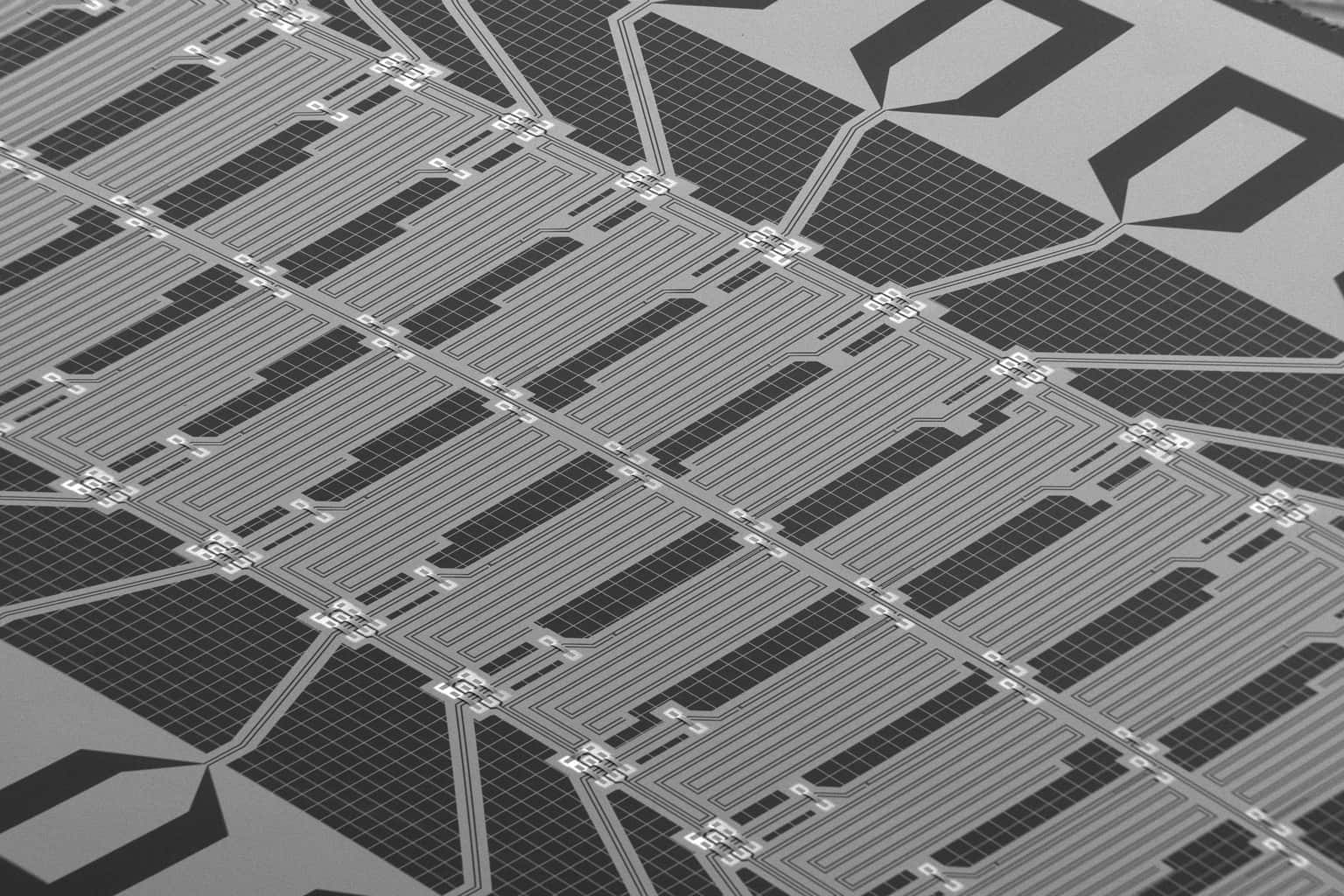
Cologne physicists saw quantum states behave as theory predicts in a superconducting junction built from a topological insulator.
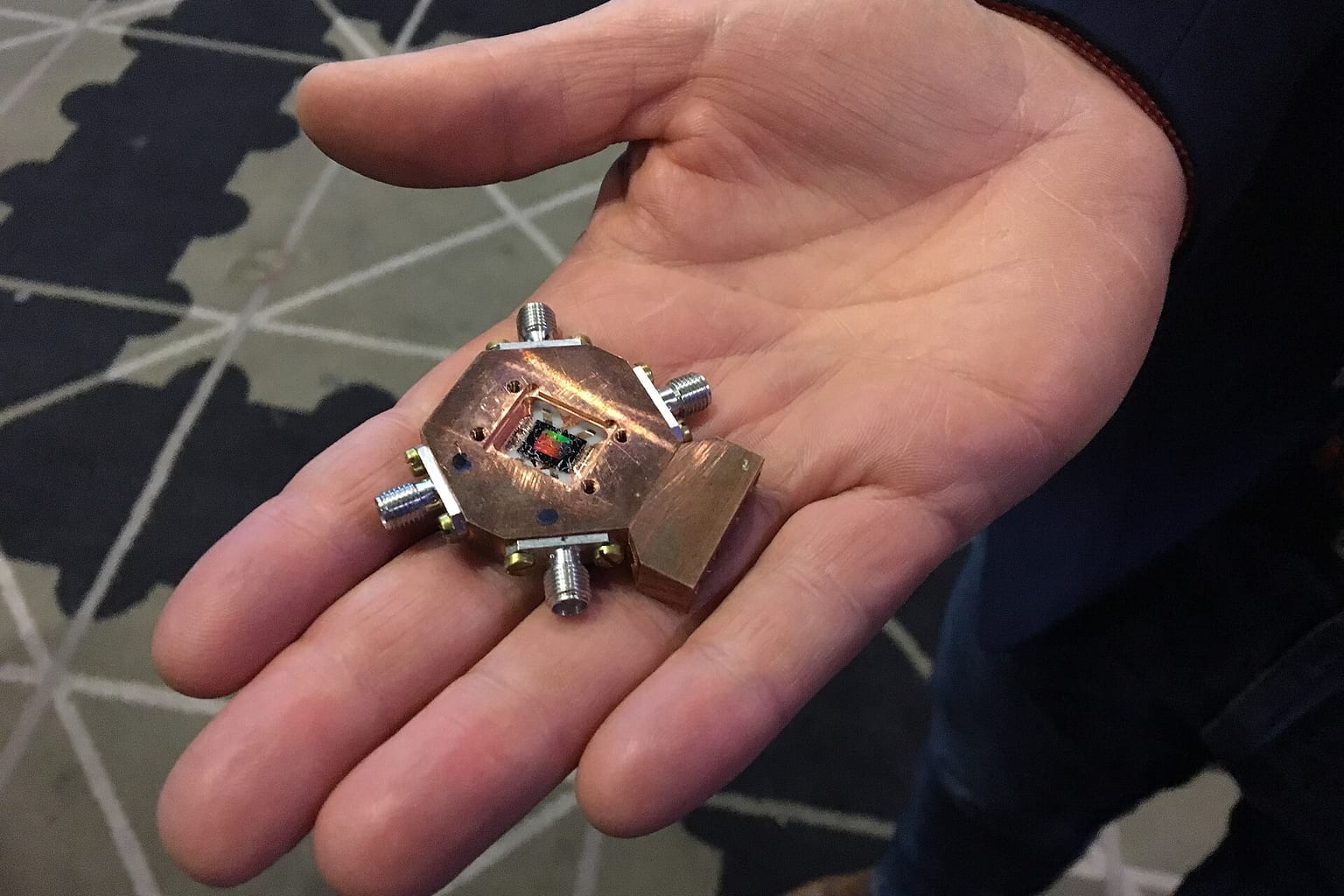
The quantum state of one molecule lasted about 2.2 milliseconds, and its emitted light stayed stable for over an hour.
2.2 millisecondsquantum state kept in one single molecule, lab measurement

Hangang replaces Nurion, which took part in 1,730 research projects and produced over 1,520 publications.
614.7 petaflopsTheoretical peak, 24 times the performance of predecessor Nurion
Korea's sixth national supercomputer, “Hangang,” has entered trial operation, with official service starting on the 14th of next month.
24 timesTheoretical compute versus the fifth-generation Nurion. In trial operation; official service scheduled for the 14th of next month
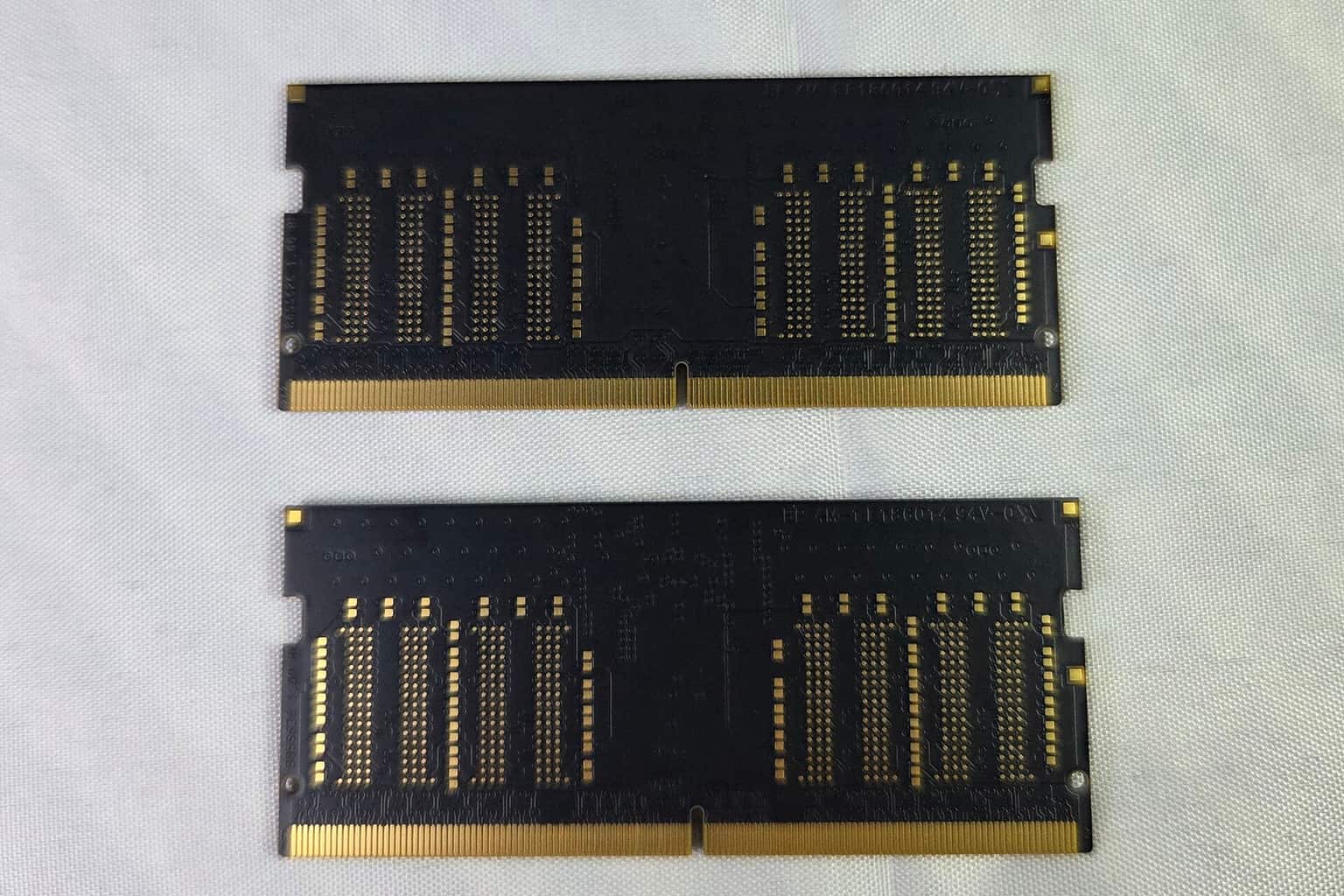
CXMT says its 4F² DRAM design passed engineering-sample checks; customer samples are due by year-end.
6 to 4Cell area factor, from 6F² to 4F², per CXMT; customer samples due by year-end

A Peking University team ported ABACUS, an open-source materials simulation code, to Huawei's Kunpeng 920 chips.
10.7xSpeedup on one node using the chip's matrix unit, per the team's tests
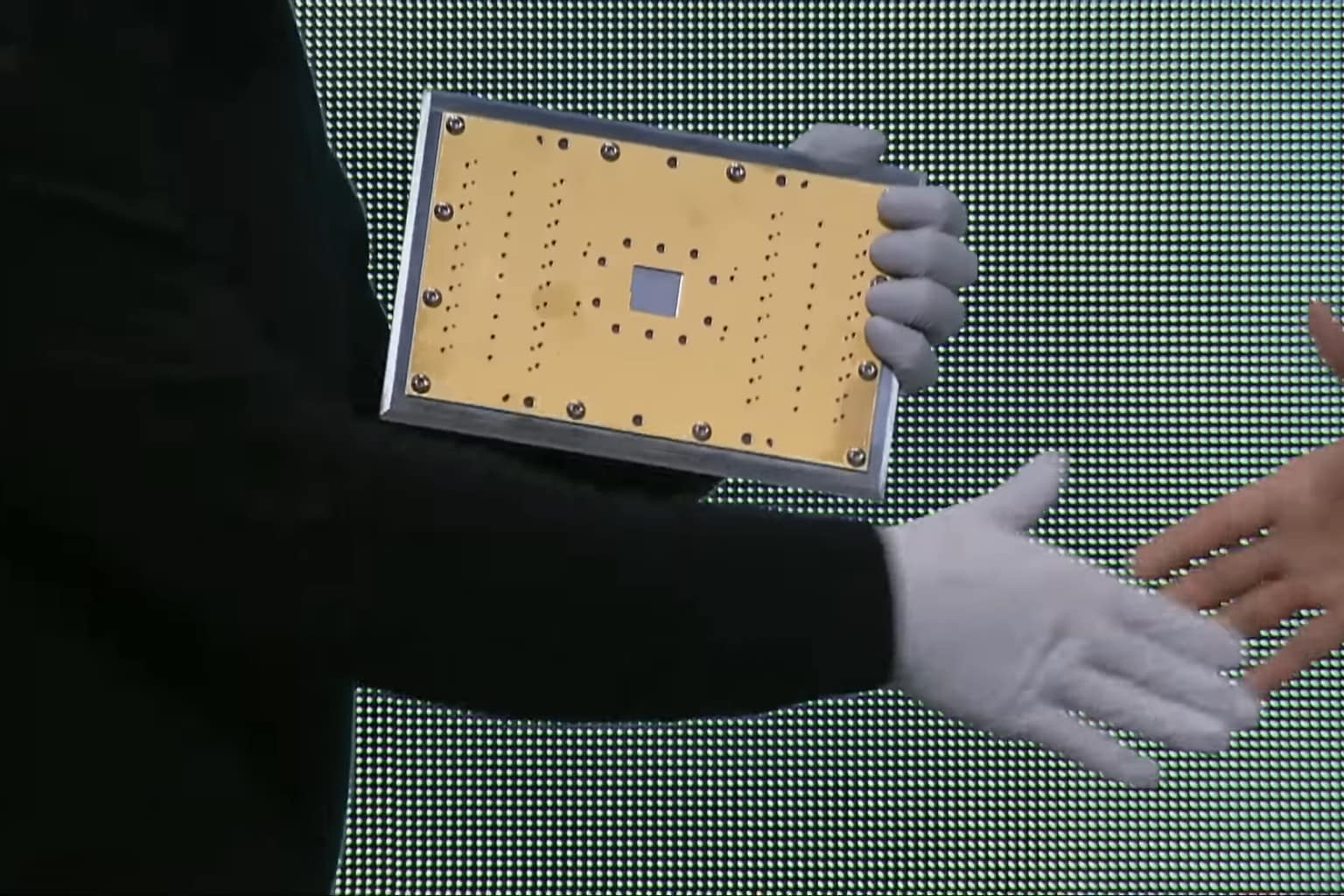
Two 120-qubit IBM processors now work together as one machine, joined by four superconducting cables.
99%average accuracy of quantum states passed across four links between two IBM chips, lab test

Built at Penn's Singh Center, the chip creates entangled photons and imprints a skyrmion pattern on them.